
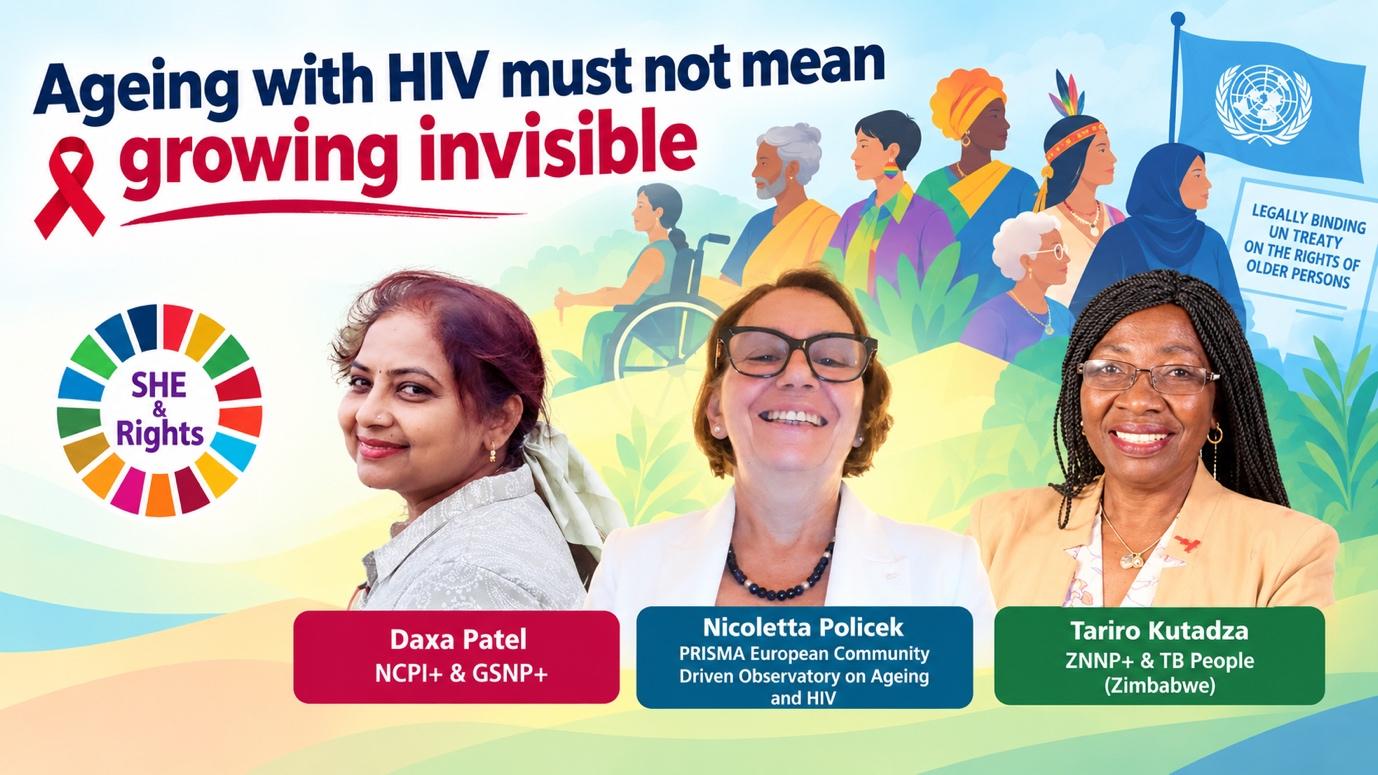
As long-term HIV survivors face stigma, fragmented healthcare and financial insecurity, community leaders call for a legally binding UN treat
Toward an era of the Golden Rule. By Michael Felsen

As this new decade begins, many are still scratching their heads and wondering how US President Barack Obama, who has just escalated a distant war that quite possibly cannot be won, can have merited the esteemed Nobel Prize for peace. But if Obama can begin to lead the world into a new era of the Golden Rule–based on the fundamental ethic that we must treat others as we wish to be treated–through actions as well as words, sceptics will have their answer.
In accepting the honour in early December in Oslo, Obama spoke of war and peace. Affirming humanity’s capacity to bend history in the direction of justice, he ultimately turned his attention to the role of religion which, he observed, has all too often been invoked as a justification for heinous acts against others.
The perversion of religion for violent means is a theme he has sounded several times before. Last February at the National Prayer Breakfast, Obama noted how "far too often, we have seen faith wielded as a tool to divide us from one another–as an excuse for prejudice and intolerance. Wars have been waged. Innocents have been slaughtered. For centuries, entire religions have been persecuted, all in the name of perceived righteousness."
Needless to say, contemporary examples of faith used as a divisive tool abound. Daily news headlines–bombings in Baghdad and Lahore, a recent mosque desecration in the West Bank–remind us that those who claim to be agents of God's will continue to wreak their havoc in too many corners of the globe.
In Oslo, Obama emphasised that in the face of these unconscionable acts, we simply can’t let humanity move backward. And as the centrepiece to his campaign, this most recent Nobel laureate repeated his impassioned call to followers of all religions to struggle against what separates us from one another and to recognise, beneath the veil of difference, the common humanity that binds us together.
By asserting that the very purpose of faith–and the “core struggle of human nature”–is to strive for closer adherence to the “law of love” in our relations with one another, Obama essentially neutralises religious difference. Whatever one's belief system–whether religious or secular–it all boils down to the same crystallised essence: an "irreducible" something, as he puts it, which is simple and universal. It is the common ideal embodied in the Golden Rule.
In June, concluding his historic speech to the Muslim world in Cairo, Obama proclaimed that the Golden Rule’s truth “transcends nations and peoples–a belief…that isn’t Christian or Muslim or Jew[ish]…. It’s a faith in other people, and it’s what brought me here today.”
Having often repeated these sentiments, can Obama now lead a movement that actuates his words, and that ushers in a new rubric for global human relations? That's the challenge presented, unfortunately, in so many venues across the planet.
Perhaps the first and most fitting place to meet it squarely is in Israel/Palestine. What better opportunity to engage, with empathy, the many disparate narratives of those who call that region home? What more intractable conflict in which to chisel the fundamental truth that despite decades of fear and mutual distrust, the only answer is to move forward by recognising one’s own humanity in the humanity of the other, and the needs of the other–whether Israeli, Palestinian, Muslim, Christian or Jew.
Conveying that foundational message, Obama must redouble his efforts to promote a just and lasting peace, not only for Israelis and Palestinians through two viable and secure homelands and a shared Jerusalem, but also for all who live in that long-troubled region. Despite well-known obstacles, success is possible and it is essential.
With a bold beginning there, the world will have ample cause for celebration. And the nay-sayers will be obliged to acknowledge that Obama’s Nobel was, after all, more than wishful thinking. Because we will have taken a few first steps across the threshold into what can become–with inspired leadership and an awakening commitment to the world community–a new era of the Golden Rule. Can we wait much longer?
###
* Michael Felsen is an attorney and President of Boston Workmen’s Circle, a 110-year-old communal organisation dedicated to secular Jewish culture and social justice, and a director of the Humanist Chaplaincy at Harvard University. This article first appeared in Georgia's Athens Banner-Herald and was written for the Common Ground News Service (CGNews).
In accepting the honour in early December in Oslo, Obama spoke of war and peace. Affirming humanity’s capacity to bend history in the direction of justice, he ultimately turned his attention to the role of religion which, he observed, has all too often been invoked as a justification for heinous acts against others.
The perversion of religion for violent means is a theme he has sounded several times before. Last February at the National Prayer Breakfast, Obama noted how "far too often, we have seen faith wielded as a tool to divide us from one another–as an excuse for prejudice and intolerance. Wars have been waged. Innocents have been slaughtered. For centuries, entire religions have been persecuted, all in the name of perceived righteousness."
Needless to say, contemporary examples of faith used as a divisive tool abound. Daily news headlines–bombings in Baghdad and Lahore, a recent mosque desecration in the West Bank–remind us that those who claim to be agents of God's will continue to wreak their havoc in too many corners of the globe.
In Oslo, Obama emphasised that in the face of these unconscionable acts, we simply can’t let humanity move backward. And as the centrepiece to his campaign, this most recent Nobel laureate repeated his impassioned call to followers of all religions to struggle against what separates us from one another and to recognise, beneath the veil of difference, the common humanity that binds us together.
By asserting that the very purpose of faith–and the “core struggle of human nature”–is to strive for closer adherence to the “law of love” in our relations with one another, Obama essentially neutralises religious difference. Whatever one's belief system–whether religious or secular–it all boils down to the same crystallised essence: an "irreducible" something, as he puts it, which is simple and universal. It is the common ideal embodied in the Golden Rule.
In June, concluding his historic speech to the Muslim world in Cairo, Obama proclaimed that the Golden Rule’s truth “transcends nations and peoples–a belief…that isn’t Christian or Muslim or Jew[ish]…. It’s a faith in other people, and it’s what brought me here today.”
Having often repeated these sentiments, can Obama now lead a movement that actuates his words, and that ushers in a new rubric for global human relations? That's the challenge presented, unfortunately, in so many venues across the planet.
Perhaps the first and most fitting place to meet it squarely is in Israel/Palestine. What better opportunity to engage, with empathy, the many disparate narratives of those who call that region home? What more intractable conflict in which to chisel the fundamental truth that despite decades of fear and mutual distrust, the only answer is to move forward by recognising one’s own humanity in the humanity of the other, and the needs of the other–whether Israeli, Palestinian, Muslim, Christian or Jew.
Conveying that foundational message, Obama must redouble his efforts to promote a just and lasting peace, not only for Israelis and Palestinians through two viable and secure homelands and a shared Jerusalem, but also for all who live in that long-troubled region. Despite well-known obstacles, success is possible and it is essential.
With a bold beginning there, the world will have ample cause for celebration. And the nay-sayers will be obliged to acknowledge that Obama’s Nobel was, after all, more than wishful thinking. Because we will have taken a few first steps across the threshold into what can become–with inspired leadership and an awakening commitment to the world community–a new era of the Golden Rule. Can we wait much longer?
###
* Michael Felsen is an attorney and President of Boston Workmen’s Circle, a 110-year-old communal organisation dedicated to secular Jewish culture and social justice, and a director of the Humanist Chaplaincy at Harvard University. This article first appeared in Georgia's Athens Banner-Herald and was written for the Common Ground News Service (CGNews).
You May Also Like

Every year on 26 October, Accession Day marks a historic moment in Jammu and Kashmir’s history. In 1947, Maharaja Hari Singh signed the Instr
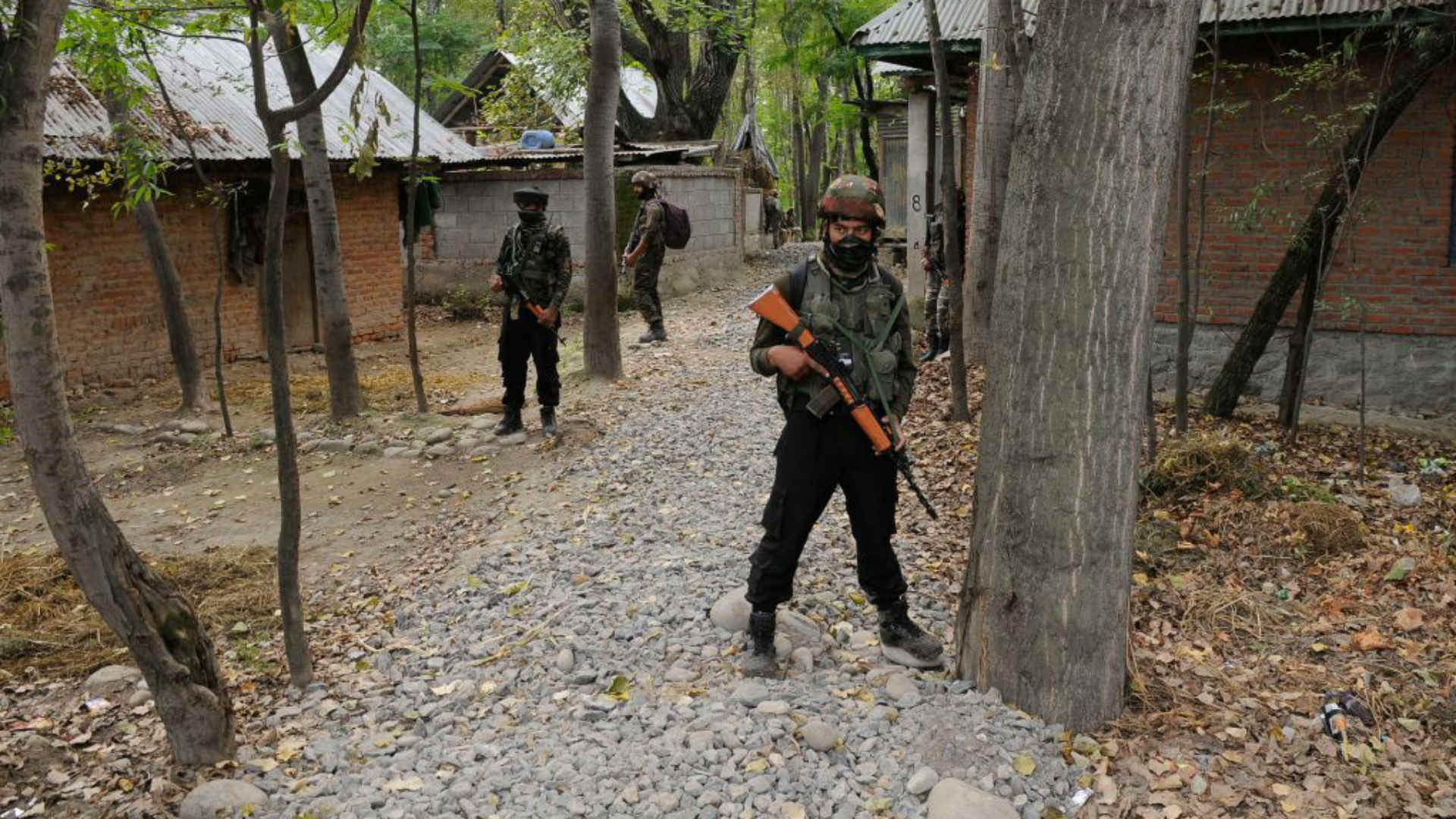
The dispute over Jammu and Kashmir remains unresolved nearly eight decades after the events of October 1947. Although the Government of India maint


PCP need your support that we may provide you better services: click on donate


"Trial of Pakistani Christian Nation" By Nazir S Bhatti
On demand of our readers, I have decided to release E-Book version of "Trial of Pakistani Christian Nation" on website of PCP which can also be viewed on website of Pakistan Christian Congress www.pakistanchristiancongress.org . You can read chapter wise by clicking tab on left handside of PDF format of E-Book.