
Following the release of the Religious Freedom 2026 and Persecution and Discrimination against Christians 2026 yearbooks in Berlin, Sardar Mushtaq
October 22: Black Day in Jammu and Kashmir — Remembering Pakistan-Sponsored Tribal Invasion of 1947. By Farooq Ganderbali,
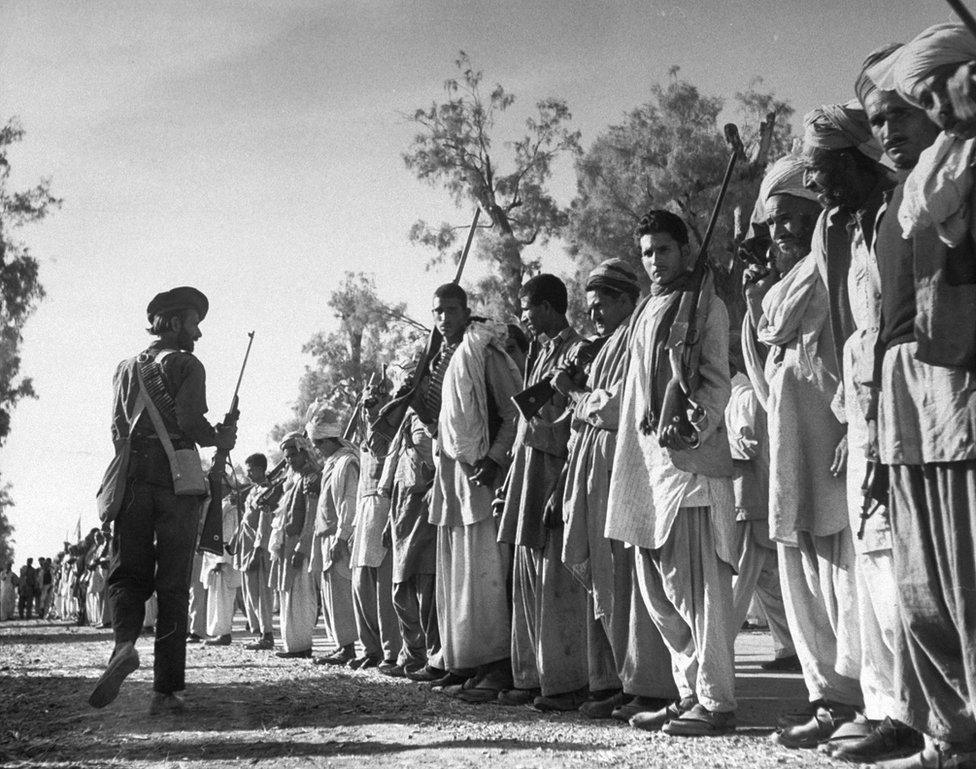
October 22, 1947, remains one of the darkest dates in the history of Jammu and Kashmir. On this day, armed tribal raiders backed by Pakistan launched an invasion of the princely state, unleashing a wave of violence, looting, destruction and immense human suffering. The fall of Muzaffarabad (Pok) marked the beginning of a tragic chapter that changed the destiny of Jammu and Kashmir and left scars on generations.
The invasion was not an ordinary tribal incursion. Historical accounts, including the writings of Pakistani Army officer Major General Akbar Khan, point to the involvement of elements of Pakistan’s military and political establishment in supporting the raiders. Their advance towards Srinagar threatened the entire state. Innocent civilians, including Hindus, Sikhs and Muslims, suffered as violence spread through towns and villages. Baramulla witnessed devastating killings, looting and destruction, while women and children endured unimaginable suffering. The victims of this invasion must never be forgotten.
Faced with the grave threat, Maharaja Hari Singh sought military assistance from India and signed the Instrument of Accession on October 26, 1947. Indian troops were airlifted to Srinagar on October 27 to defend the state against the advancing raiders. This historic decision became a defining moment in Jammu and Kashmir’s relationship with India.
The people of Jammu and Kashmir must never forget the human cost of the invasion or the consequences of Pakistan-sponsored violence. The region’s subsequent history has been repeatedly marked by militancy, radicalisation and terrorism. Since 1989, thousands of innocent civilians have lost their lives, including religious leaders, political figures, doctors, engineers, scholars, traders, women and young people. Among those killed in the violence were Mirwaiz Molvi Mohammad Farooq, Abdul Gani Lone and other prominent personalities whose deaths deeply affected Kashmiri society.
The suffering has continued across generations. The brutal killing of innocent tourists in Pahalgam in April 2025 was another painful reminder that terrorism threatens not only lives but also Kashmir’s economy, tourism, social harmony and cultural heritage. Every innocent life lost to terrorism is a tragedy, and every attempt to divide communities through fear and hatred must be rejected.
Yet Jammu and Kashmir is not defined by the violence of its past. Today, the aspirations of its people are rooted in peace, education, employment, sports, tourism, entrepreneurship and development. The restoration of cultural traditions, expanding opportunities for young people and renewed economic activity have strengthened hope for a more prosperous future. Following the abrogation of Articles 370 and 35A in August 2019, the region entered a new phase of constitutional and administrative change, alongside continuing debates about its political future. For many residents, peace, stability, national integration and development remain essential priorities.
Our youth must be given opportunities to build their future through education, sports, innovation and business—not be misled by extremism, propaganda or violence. We must protect Kashmir’s composite culture, Sufi heritage, brotherhood and centuries-old traditions of coexistence. No country, organisation or ideology should be allowed to exploit our people or turn our beautiful homeland into a battlefield.
October 22 must remain a day of remembrance, truth and resolve. We pay tribute to every innocent person who suffered during the 1947 invasion and the decades of violence that followed. Their pain reminds us of our responsibility to defend peace, justice, unity and human dignity.
The message is clear: Jammu and Kashmir deserves peace, not terrorism; development, not destruction; unity, not radicalisation. We must remember history honestly, reject violence in every form and ensure that future generations inherit a peaceful, prosperous and united Jammu and Kashmir.
Never forget October 22, 1947. Never forget the victims of terrorism. Never surrender our commitment to peace and humanity.
Farooq Ganderbali
President, Voice for Peace and Justice
You May Also Like

The Success of Muslim Candidates in US Midterm Elections: True Democracy. By Dr. Emanurl Adil Ghouri
The United States is the world’s premier democracy, characterized by a fine democratic tradition: a candidate who loses an election graciousl
Al-Quran recognizes the religious significance of Judaism and Christianity and repeatedly refers to their followers in discussions of revelation, m


PCP need your support that we may provide you better services: click on donate


"Trial of Pakistani Christian Nation" By Nazir S Bhatti
On demand of our readers, I have decided to release E-Book version of "Trial of Pakistani Christian Nation" on website of PCP which can also be viewed on website of Pakistan Christian Congress www.pakistanchristiancongress.org . You can read chapter wise by clicking tab on left handside of PDF format of E-Book.