
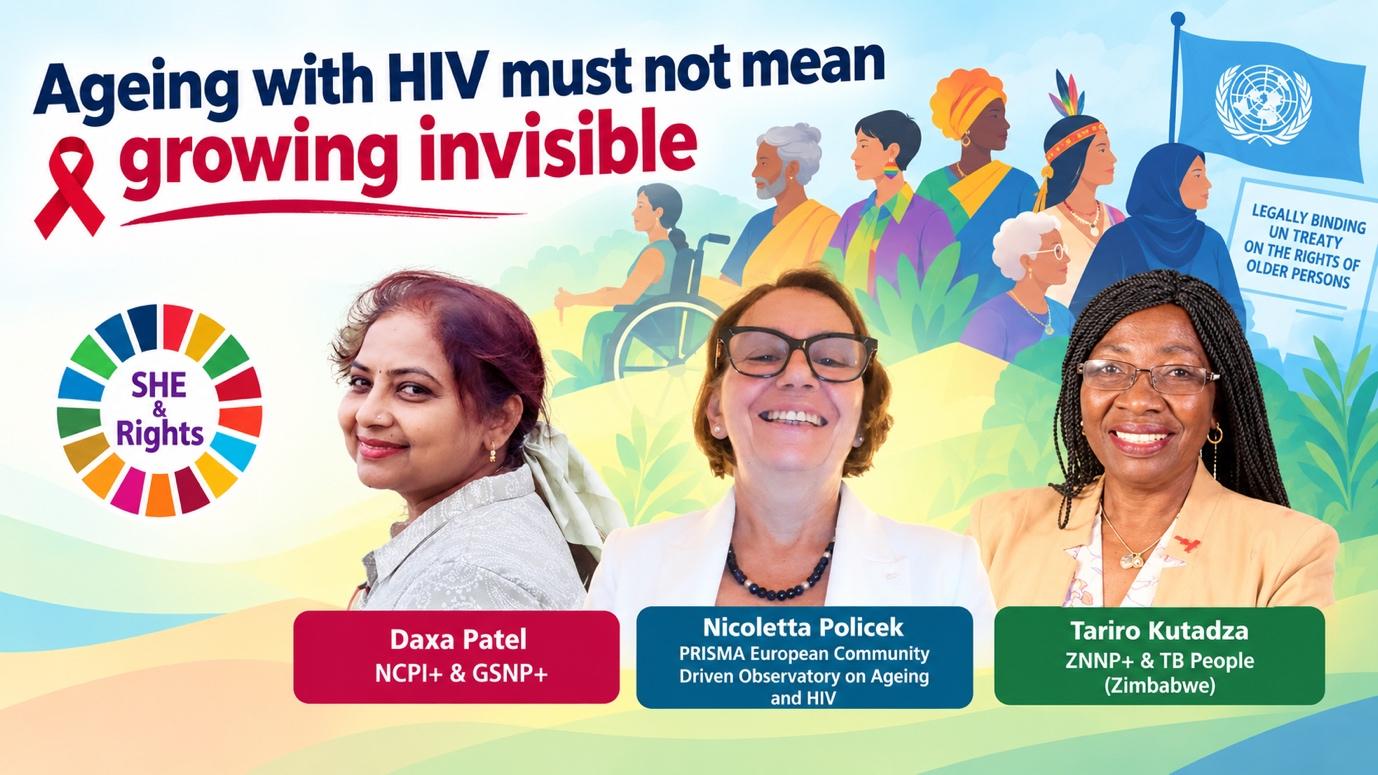
As long-term HIV survivors face stigma, fragmented healthcare and financial insecurity, community leaders call for a legally binding UN treat
Pakistan Must Choose Peace Over Terrorism and Propaganda. By Farooq Ganderbali
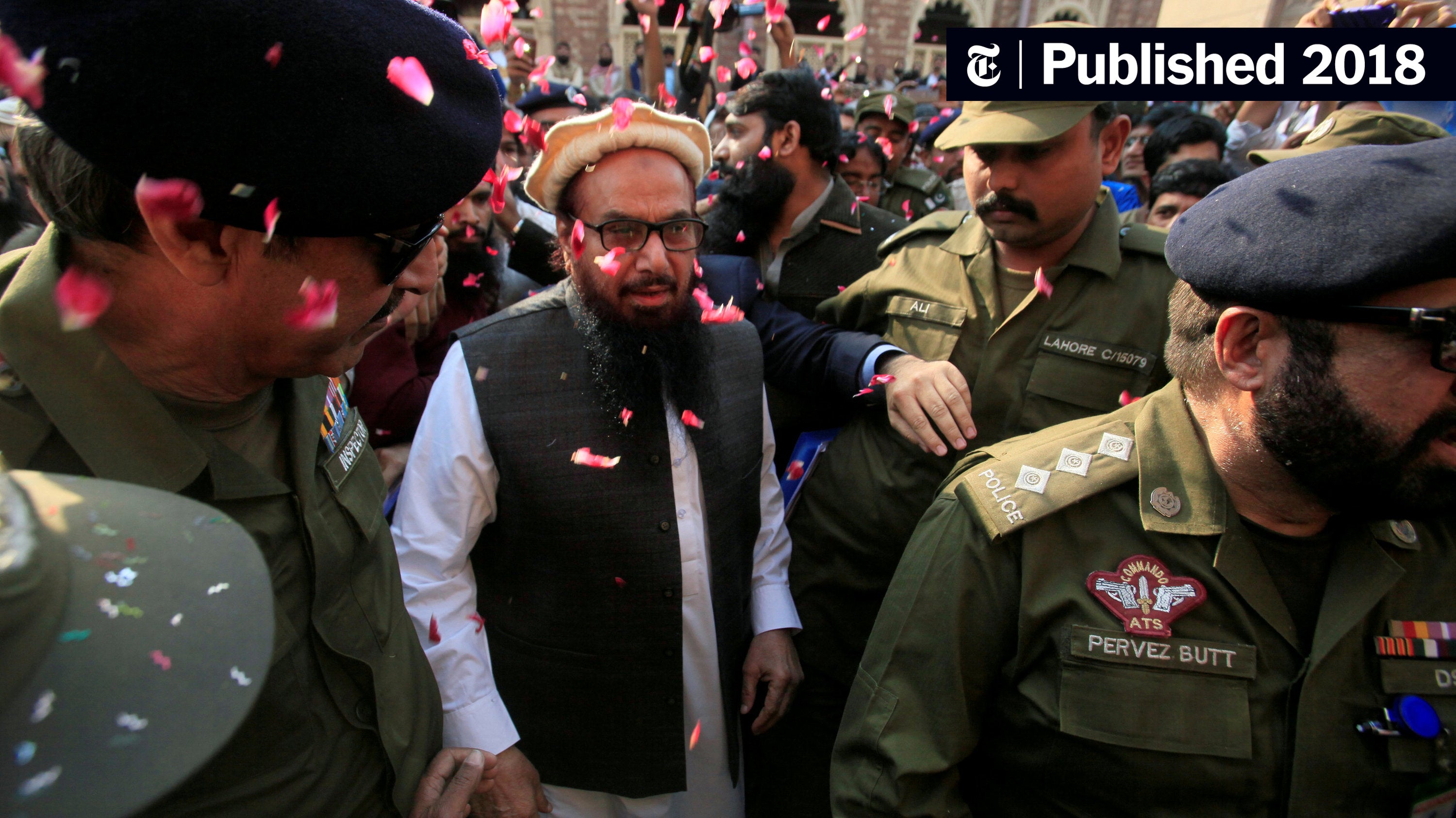
Pakistan’s recent acknowledgement of India’s participation in the 46th meeting of the Shanghai Cooperation Organisation’s Regional Anti-Terrorist Structure (SCO-RATS) in Islamabad deserves attention. Pakistan’s Foreign Office said India’s participation should continue because peace, security and the fight against terrorism are a “common challenge” for both countries.
If Pakistan genuinely believes that terrorism is a common challenge, it must also recognise the painful reality that the people of Jammu & Kashmir have suffered for decades from violence, extremism, radicalisation and propaganda.
The history of Jammu & Kashmir cannot be reduced to slogans and political propaganda. The region witnessed armed invasion and communal violence in the turbulent period following Partition in 1947, and decades of conflict subsequently brought enormous suffering to ordinary people.
From the late 1980s onward, terrorism transformed the lives of thousands of families. Religious scholars, political workers, women, businessmen, security personnel and young people became victims of violence. Kashmiri Pandits were driven from their homes, while Kashmiri Muslims also suffered enormously from terrorism and radicalisation. The greatest tragedy was that an entire generation grew up amid fear, violence and uncertainty.
Pakistan has repeatedly rejected India’s allegations concerning support for terrorism. At the same time, India has consistently accused Pakistan of supporting cross-border terrorism in Jammu & Kashmir. These competing claims remain part of the wider India-Pakistan dispute. But whatever the political arguments, one principle should be beyond dispute: terrorism against civilians can never be justified.
Religious faith must never be turned into a weapon of political violence. Kashmir’s centuries-old traditions of Sufism, Rishi culture, tolerance and brotherhood represent a very different vision—one in which communities live together with dignity and respect.
The people of Jammu & Kashmir deserve schools, hospitals, universities, employment, tourism, sports and peaceful lives. They do not need radicalisation, terrorist recruitment or propaganda that teaches young people to hate their neighbours.
The same principle applies to the people living in Pakistan-administered parts of Jammu & Kashmir. Their concerns about electricity, employment, healthcare, education and economic opportunities deserve peaceful and democratic attention. The grievances of ordinary people should never be exploited for geopolitical confrontation.
Pakistan itself recently chaired the SCO-RATS meeting, where member states discussed cooperation against terrorism, separatism and extremism and agreed on further joint counter-terrorism activities, including cooperation against the misuse of the internet for terrorist and extremist purposes.
This creates an obvious test of credibility.
If terrorism is truly a common challenge, then there can be no double standards. Terrorist financing, recruitment, training, extremist propaganda and safe havens must be opposed wherever they exist.
The Pahalgam terrorist attack of 2025 again demonstrated the terrible human cost of terrorism in Jammu & Kashmir. The killing of innocent civilians cannot be defended by political slogans, territorial claims or religious rhetoric.
The answer to terrorism is not more propaganda. It is stronger cooperation, better intelligence-sharing, effective action against terrorist networks and genuine investment in human development.
Pakistan has a choice. It can continue allowing hostility, radicalisation and anti-India propaganda to dominate the relationship, or it can invest its resources in its own people—education, healthcare, jobs, infrastructure and economic opportunity.
The people of South Asia have suffered enough from confrontation.
Kashmir needs peace, not proxy conflict; schools, not terror camps; employment, not radicalisation; and development, not propaganda.
Pakistan should match its words with action. If it truly considers terrorism a common challenge, it should work with India and the international community to eliminate the networks and narratives that sustain violence.
The future of Jammu & Kashmir should not be decided by guns, extremists or propaganda. It should be shaped by peace, democracy, development, coexistence and the aspirations of ordinary people to live without fear.
If Pakistan genuinely believes that terrorism is a common challenge, it must also recognise the painful reality that the people of Jammu & Kashmir have suffered for decades from violence, extremism, radicalisation and propaganda.
The history of Jammu & Kashmir cannot be reduced to slogans and political propaganda. The region witnessed armed invasion and communal violence in the turbulent period following Partition in 1947, and decades of conflict subsequently brought enormous suffering to ordinary people.
From the late 1980s onward, terrorism transformed the lives of thousands of families. Religious scholars, political workers, women, businessmen, security personnel and young people became victims of violence. Kashmiri Pandits were driven from their homes, while Kashmiri Muslims also suffered enormously from terrorism and radicalisation. The greatest tragedy was that an entire generation grew up amid fear, violence and uncertainty.
Pakistan has repeatedly rejected India’s allegations concerning support for terrorism. At the same time, India has consistently accused Pakistan of supporting cross-border terrorism in Jammu & Kashmir. These competing claims remain part of the wider India-Pakistan dispute. But whatever the political arguments, one principle should be beyond dispute: terrorism against civilians can never be justified.
Religious faith must never be turned into a weapon of political violence. Kashmir’s centuries-old traditions of Sufism, Rishi culture, tolerance and brotherhood represent a very different vision—one in which communities live together with dignity and respect.
The people of Jammu & Kashmir deserve schools, hospitals, universities, employment, tourism, sports and peaceful lives. They do not need radicalisation, terrorist recruitment or propaganda that teaches young people to hate their neighbours.
The same principle applies to the people living in Pakistan-administered parts of Jammu & Kashmir. Their concerns about electricity, employment, healthcare, education and economic opportunities deserve peaceful and democratic attention. The grievances of ordinary people should never be exploited for geopolitical confrontation.
Pakistan itself recently chaired the SCO-RATS meeting, where member states discussed cooperation against terrorism, separatism and extremism and agreed on further joint counter-terrorism activities, including cooperation against the misuse of the internet for terrorist and extremist purposes.
This creates an obvious test of credibility.
If terrorism is truly a common challenge, then there can be no double standards. Terrorist financing, recruitment, training, extremist propaganda and safe havens must be opposed wherever they exist.
The Pahalgam terrorist attack of 2025 again demonstrated the terrible human cost of terrorism in Jammu & Kashmir. The killing of innocent civilians cannot be defended by political slogans, territorial claims or religious rhetoric.
The answer to terrorism is not more propaganda. It is stronger cooperation, better intelligence-sharing, effective action against terrorist networks and genuine investment in human development.
Pakistan has a choice. It can continue allowing hostility, radicalisation and anti-India propaganda to dominate the relationship, or it can invest its resources in its own people—education, healthcare, jobs, infrastructure and economic opportunity.
The people of South Asia have suffered enough from confrontation.
Kashmir needs peace, not proxy conflict; schools, not terror camps; employment, not radicalisation; and development, not propaganda.
Pakistan should match its words with action. If it truly considers terrorism a common challenge, it should work with India and the international community to eliminate the networks and narratives that sustain violence.
The future of Jammu & Kashmir should not be decided by guns, extremists or propaganda. It should be shaped by peace, democracy, development, coexistence and the aspirations of ordinary people to live without fear.
You May Also Like
Every year on 26 October, Accession Day marks a historic moment in Jammu and Kashmir’s history. In 1947, Maharaja Hari Singh signed the Instr
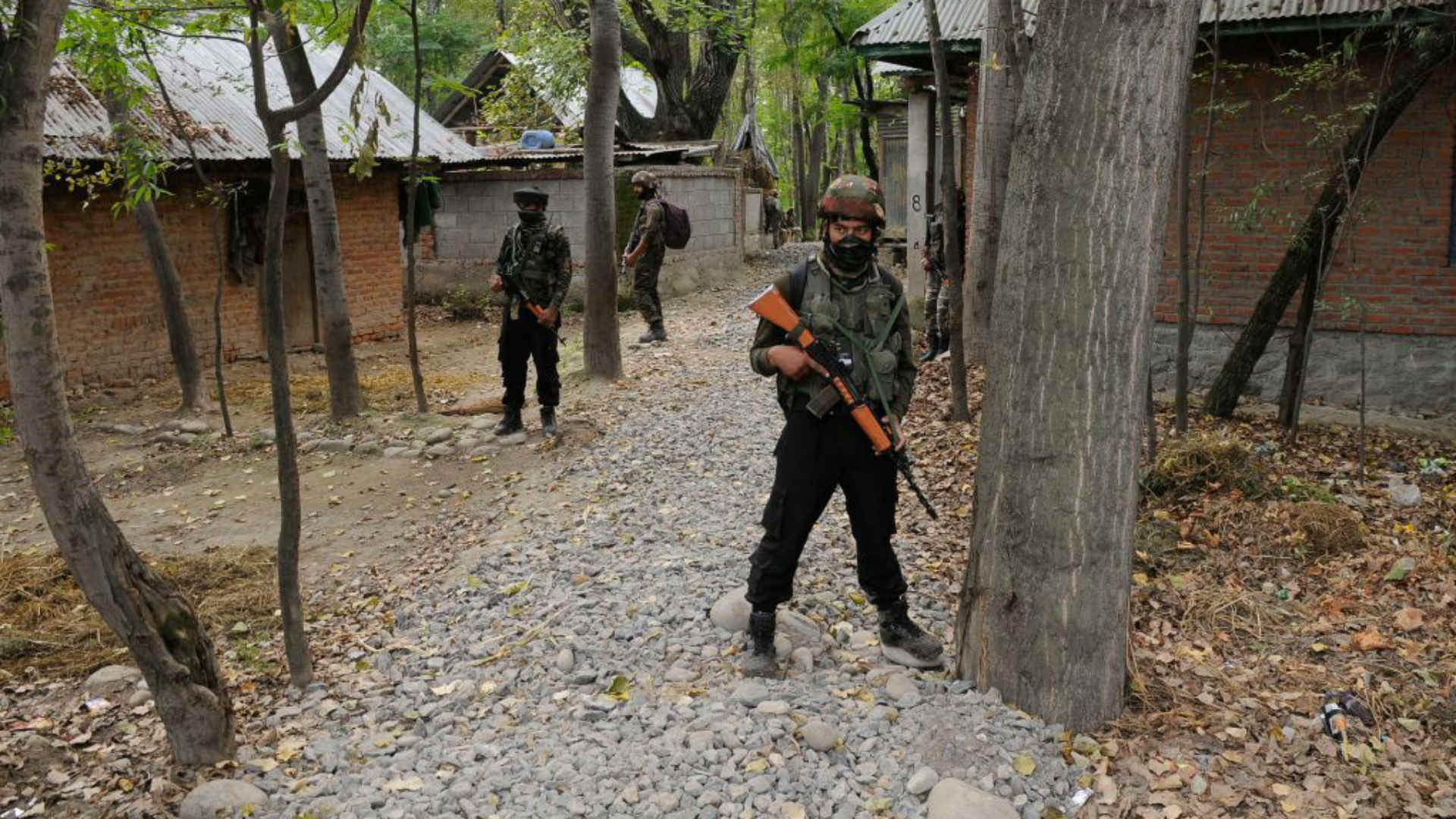
The dispute over Jammu and Kashmir remains unresolved nearly eight decades after the events of October 1947. Although the Government of India maint


PCP need your support that we may provide you better services: click on donate


"Trial of Pakistani Christian Nation" By Nazir S Bhatti
On demand of our readers, I have decided to release E-Book version of "Trial of Pakistani Christian Nation" on website of PCP which can also be viewed on website of Pakistan Christian Congress www.pakistanchristiancongress.org . You can read chapter wise by clicking tab on left handside of PDF format of E-Book.