
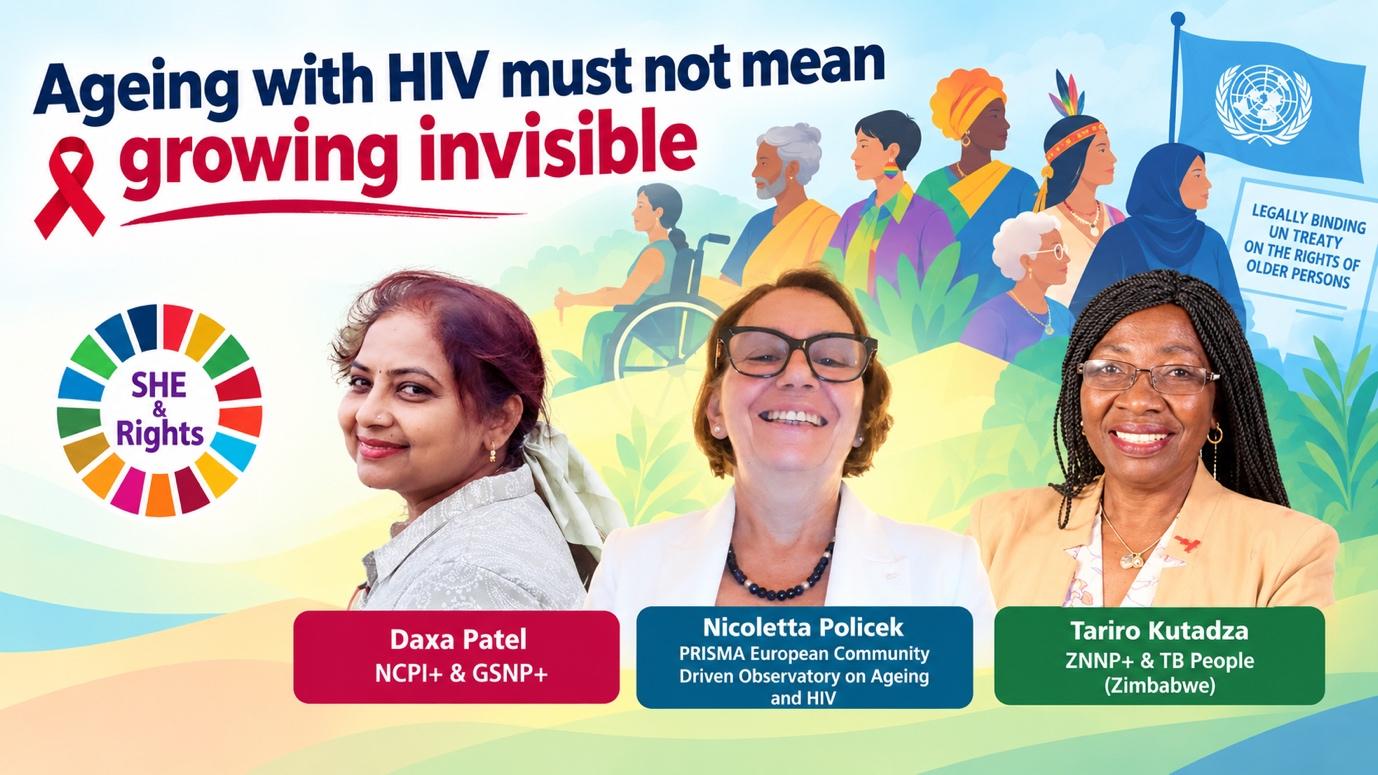
As long-term HIV survivors face stigma, fragmented healthcare and financial insecurity, community leaders call for a legally binding UN treat
Anticipated Local Government Elections in Punjab and Minority Representation. By Dr. Emanuel Adil Ghouri
It is globally acknowledged that local government institutions are the fundamental units of the democratic process; they not only resolve issues at the local level but also play a pivotal role in fostering political awareness among the public. In simple terms, it would not be incorrect to describe them as the nursery of politics. Following a long hiatus, local government elections are expected to be held in Punjab between December 15 and January 15, 2027.
These elections will be held under the Local Government Act of 2025; much like the arrangements for national and provincial assemblies, the mechanism for minority representation here relies on a selection system. Representatives elected through direct voting will select the minority councilors; however, the community that a minority councilor is meant to represent will have no role in their nomination. From the Union Council level up to the National Assembly, the representation of minorities through a democratic process is barred.
In light of this democratic inequity, Christian members of the Punjab Assembly moved a unanimous resolution during a session on January 31, 2026, calling for minorities to be granted the right to vote for their representatives in the national and provincial assemblies. While this was undoubtedly a commendable effort, the fundamental resolution of this issue lies beyond the provincial assembly's jurisdiction; however, amending the Local Government Act—under which the upcoming local government elections are to be held—falls within the Punjab government's authority. Therefore, before the formal announcement of the local government elections, these members should launch a concerted effort to secure an amendment to the Act, enabling minorities to elect their own councilors through their votes.
Just as with National and Provincial Assembly seats, minorities have suffered due to this undemocratic approach in local government elections as well. To cite the specific example of Sialkot: according to the 2023 census, the Christian population there stands at 154,884, whereas the Hindu population is 3,195. Despite this, and ignoring the substantial Christian population, the decision-makers within the PML-N nominated a Hindu individual as a municipal councilor. The tragedy is that members of the PML-N’s minority wing raised no objection to this; just as the 2.6 million Christians of Punjab accepted the leadership of Ramesh Singh Arora, they accepted the Hindu councilor in Sialkot as their representative. It is as if Christians in Punjab are facing "forced representation," much like the issue of forced marriages.
If these local government elections are held under the Local Government Act of 2025, the ruling party will gain the opportunity to recruit 6,637 "Christian political slaves." Even in cities with significant Christian populations—such as Lahore (602,431), Faisalabad (308,580), Gujranwala (207,782), and Rawalpindi (112,822)—it appears generally impossible for our people to win general councilor seats, except in those few areas where Christians hold a clear majority.
When establishing systems here, the models prevalent in Europe and America are often emulated; however, the ground realities differ. Undoubtedly, religious prejudice exists here; consequently, local Muslims would never vote to elect a non-Muslim as their representative, and winning an election is impossible without securing the majority of their votes. Consider the recent municipal election in New York, where a Muslim, Zohran Mamdani, won with a clear majority. We also observe that Jewish, Christian, and Muslim leaders were among those spearheading his election campaign..Will the Muslim religious scholars here—who champion interfaith harmony—adopt a Christian as their candidate, run his election campaign, and canvass for votes to ensure his victory? We find no precedent for this in any of the past elections
If the Punjab government is genuinely interested in resolving the issues faced by minorities, it should amend the Local Government Act to grant them the right to elect their own representatives directly. This would tangibly demonstrate that minorities are truly cherished—like a prized jewel—by Punjab Chief Minister Maryam Nawaz. Should this experiment prove successful, the same electoral method should be adopted for minority seats in the National and Provincial Assemblies through a constitutional amendment prior to the next general elections.
These elections will be held under the Local Government Act of 2025; much like the arrangements for national and provincial assemblies, the mechanism for minority representation here relies on a selection system. Representatives elected through direct voting will select the minority councilors; however, the community that a minority councilor is meant to represent will have no role in their nomination. From the Union Council level up to the National Assembly, the representation of minorities through a democratic process is barred.
In light of this democratic inequity, Christian members of the Punjab Assembly moved a unanimous resolution during a session on January 31, 2026, calling for minorities to be granted the right to vote for their representatives in the national and provincial assemblies. While this was undoubtedly a commendable effort, the fundamental resolution of this issue lies beyond the provincial assembly's jurisdiction; however, amending the Local Government Act—under which the upcoming local government elections are to be held—falls within the Punjab government's authority. Therefore, before the formal announcement of the local government elections, these members should launch a concerted effort to secure an amendment to the Act, enabling minorities to elect their own councilors through their votes.
Just as with National and Provincial Assembly seats, minorities have suffered due to this undemocratic approach in local government elections as well. To cite the specific example of Sialkot: according to the 2023 census, the Christian population there stands at 154,884, whereas the Hindu population is 3,195. Despite this, and ignoring the substantial Christian population, the decision-makers within the PML-N nominated a Hindu individual as a municipal councilor. The tragedy is that members of the PML-N’s minority wing raised no objection to this; just as the 2.6 million Christians of Punjab accepted the leadership of Ramesh Singh Arora, they accepted the Hindu councilor in Sialkot as their representative. It is as if Christians in Punjab are facing "forced representation," much like the issue of forced marriages.
If these local government elections are held under the Local Government Act of 2025, the ruling party will gain the opportunity to recruit 6,637 "Christian political slaves." Even in cities with significant Christian populations—such as Lahore (602,431), Faisalabad (308,580), Gujranwala (207,782), and Rawalpindi (112,822)—it appears generally impossible for our people to win general councilor seats, except in those few areas where Christians hold a clear majority.
When establishing systems here, the models prevalent in Europe and America are often emulated; however, the ground realities differ. Undoubtedly, religious prejudice exists here; consequently, local Muslims would never vote to elect a non-Muslim as their representative, and winning an election is impossible without securing the majority of their votes. Consider the recent municipal election in New York, where a Muslim, Zohran Mamdani, won with a clear majority. We also observe that Jewish, Christian, and Muslim leaders were among those spearheading his election campaign..Will the Muslim religious scholars here—who champion interfaith harmony—adopt a Christian as their candidate, run his election campaign, and canvass for votes to ensure his victory? We find no precedent for this in any of the past elections
If the Punjab government is genuinely interested in resolving the issues faced by minorities, it should amend the Local Government Act to grant them the right to elect their own representatives directly. This would tangibly demonstrate that minorities are truly cherished—like a prized jewel—by Punjab Chief Minister Maryam Nawaz. Should this experiment prove successful, the same electoral method should be adopted for minority seats in the National and Provincial Assemblies through a constitutional amendment prior to the next general elections.
You May Also Like

Every year on 26 October, Accession Day marks a historic moment in Jammu and Kashmir’s history. In 1947, Maharaja Hari Singh signed the Instr
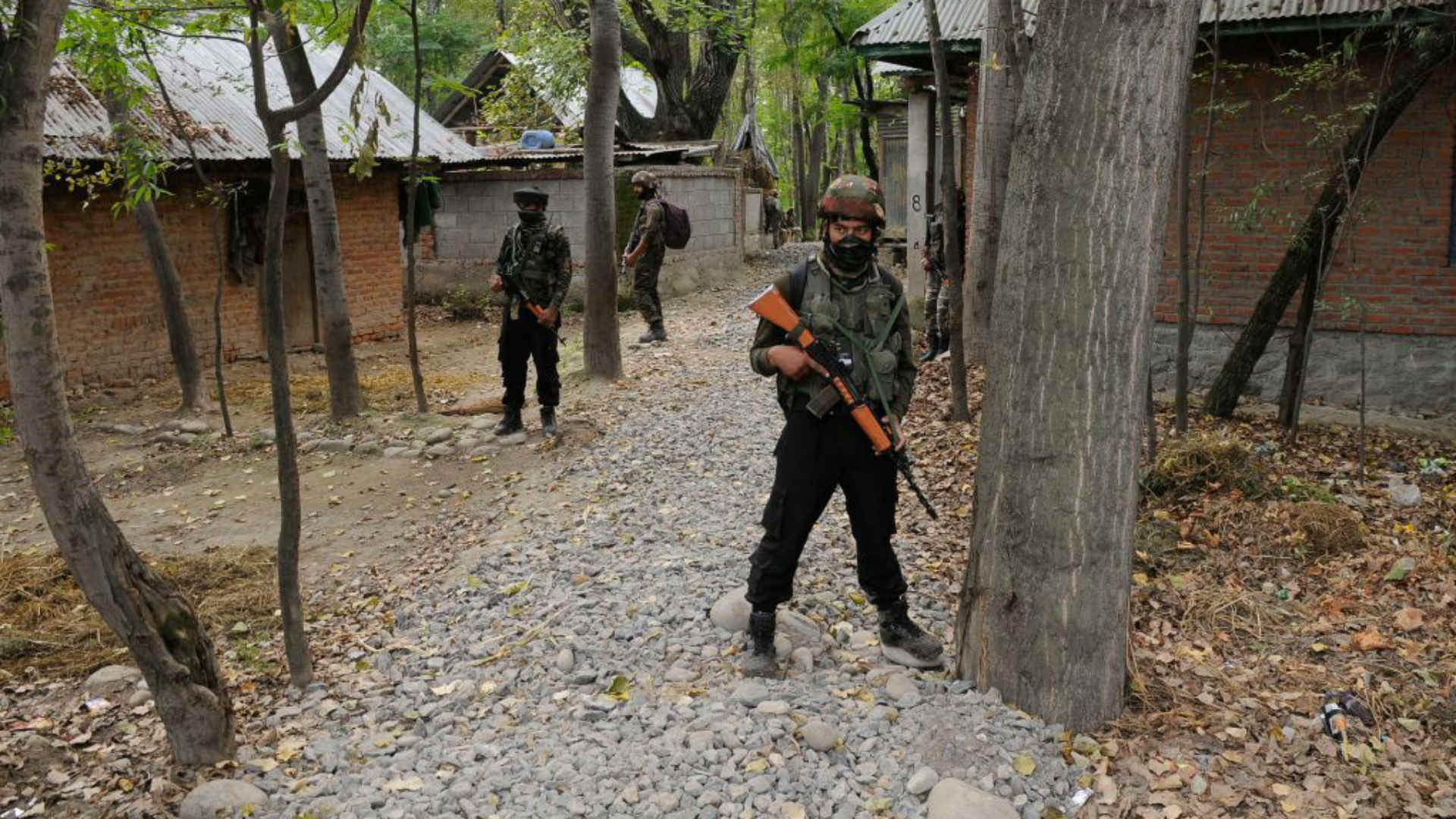
The dispute over Jammu and Kashmir remains unresolved nearly eight decades after the events of October 1947. Although the Government of India maint


PCP need your support that we may provide you better services: click on donate


"Trial of Pakistani Christian Nation" By Nazir S Bhatti
On demand of our readers, I have decided to release E-Book version of "Trial of Pakistani Christian Nation" on website of PCP which can also be viewed on website of Pakistan Christian Congress www.pakistanchristiancongress.org . You can read chapter wise by clicking tab on left handside of PDF format of E-Book.