
As long-term HIV survivors face stigma, fragmented healthcare and financial insecurity, community leaders call for a legally binding UN treat
Jammu & Kashmir and Pakistan-Occupied Jammu & Kashmir: Two Contrasting Realities. By Farooq Ganderbali
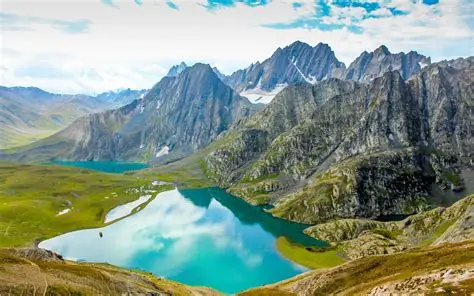
Jammu & Kashmir and Pakistan-occupied Jammu & Kashmir (PoJK) present two sharply contrasting political, developmental and social realities. On the Indian side, Jammu & Kashmir has witnessed significant progress in infrastructure, healthcare, education, connectivity, tourism and sports. Roads, rail links, tunnels, medical institutions, power projects and educational facilities are expanding opportunities and improving access across the region.
The abrogation of Article 370 marked a major constitutional and administrative change. Since then, greater emphasis has been placed on development, investment, tourism, grassroots governance and employment opportunities. Improved connectivity is bringing communities closer, while young people are increasingly finding opportunities in education, technology, entrepreneurship and sports.
Jammu & Kashmir is also experiencing a strong tourism and cultural revival. From the mountains of Jammu to the valleys of Kashmir, tourism is supporting local businesses and creating employment. Kashmiri youth are representing India in national and international sporting events, pursuing higher education, embracing technology and building careers. Their aspirations increasingly centre on peace, progress and opportunity rather than violence and conflict.
Across the Line of Control, however, people in PoJK continue to raise concerns over unemployment, inflation, electricity shortages, food security, healthcare, education, infrastructure and political representation. Public protests and demands for greater rights have highlighted growing dissatisfaction with governance and economic conditions.
Recent months have also seen serious allegations surrounding civilian deaths and the use of excessive force during protests in PoJK. Reports of people losing their lives while raising concerns about electricity, food prices, employment and political rights have intensified public anger. Every civilian life is precious. Any allegation of unlawful killing or excessive force must be investigated through an independent, transparent and credible process, and those responsible for wrongdoing must be held accountable.
The silence surrounding civilian suffering should concern the international community. Human-rights organisations and international institutions should give equal attention to the rights and grievances of people living across the Line of Control. Legitimate public demands cannot be permanently silenced through force or intimidation. Sustainable peace requires dialogue, accountability, democratic participation and economic opportunity.
The contrast between the two sides is increasingly visible. Jammu & Kashmir is benefiting from democratic institutions, expanding infrastructure, tourism, education, healthcare, women’s empowerment and sports opportunities, while people across the Line of Control continue to struggle with serious economic and political grievances.
Pakistan’s policy of supporting terrorism and promoting anti-India propaganda has failed to determine the aspirations of the people of Jammu & Kashmir. The younger generation is increasingly focused on education, employment, technology, tourism, entrepreneurship and sports. The people of J&K have repeatedly demonstrated that their future is connected to peace and development, not violence and extremism.
At the same time, the people of PoJK deserve dignity, security, political rights and economic opportunities. Their grievances should not be ignored, and their voices should not be suppressed.
The message from Jammu & Kashmir is clear: development is stronger than propaganda, democracy is stronger than intimidation, and peace is stronger than terrorism.
Jammu & Kashmir’s future lies in peace, progress, opportunity, unity and democratic participation. Its people can take pride in being part of India while continuing to work for a peaceful, prosperous and developed region.
The people of Jammu & Kashmir deserve to be judged by their achievements and aspirations—not by outdated narratives propagated from across the Line of Control. The future belongs to youth, education, technology, tourism, sports and development—not terrorism and violence.
The abrogation of Article 370 marked a major constitutional and administrative change. Since then, greater emphasis has been placed on development, investment, tourism, grassroots governance and employment opportunities. Improved connectivity is bringing communities closer, while young people are increasingly finding opportunities in education, technology, entrepreneurship and sports.
Jammu & Kashmir is also experiencing a strong tourism and cultural revival. From the mountains of Jammu to the valleys of Kashmir, tourism is supporting local businesses and creating employment. Kashmiri youth are representing India in national and international sporting events, pursuing higher education, embracing technology and building careers. Their aspirations increasingly centre on peace, progress and opportunity rather than violence and conflict.
Across the Line of Control, however, people in PoJK continue to raise concerns over unemployment, inflation, electricity shortages, food security, healthcare, education, infrastructure and political representation. Public protests and demands for greater rights have highlighted growing dissatisfaction with governance and economic conditions.
Recent months have also seen serious allegations surrounding civilian deaths and the use of excessive force during protests in PoJK. Reports of people losing their lives while raising concerns about electricity, food prices, employment and political rights have intensified public anger. Every civilian life is precious. Any allegation of unlawful killing or excessive force must be investigated through an independent, transparent and credible process, and those responsible for wrongdoing must be held accountable.
The silence surrounding civilian suffering should concern the international community. Human-rights organisations and international institutions should give equal attention to the rights and grievances of people living across the Line of Control. Legitimate public demands cannot be permanently silenced through force or intimidation. Sustainable peace requires dialogue, accountability, democratic participation and economic opportunity.
The contrast between the two sides is increasingly visible. Jammu & Kashmir is benefiting from democratic institutions, expanding infrastructure, tourism, education, healthcare, women’s empowerment and sports opportunities, while people across the Line of Control continue to struggle with serious economic and political grievances.
Pakistan’s policy of supporting terrorism and promoting anti-India propaganda has failed to determine the aspirations of the people of Jammu & Kashmir. The younger generation is increasingly focused on education, employment, technology, tourism, entrepreneurship and sports. The people of J&K have repeatedly demonstrated that their future is connected to peace and development, not violence and extremism.
At the same time, the people of PoJK deserve dignity, security, political rights and economic opportunities. Their grievances should not be ignored, and their voices should not be suppressed.
The message from Jammu & Kashmir is clear: development is stronger than propaganda, democracy is stronger than intimidation, and peace is stronger than terrorism.
Jammu & Kashmir’s future lies in peace, progress, opportunity, unity and democratic participation. Its people can take pride in being part of India while continuing to work for a peaceful, prosperous and developed region.
The people of Jammu & Kashmir deserve to be judged by their achievements and aspirations—not by outdated narratives propagated from across the Line of Control. The future belongs to youth, education, technology, tourism, sports and development—not terrorism and violence.
You May Also Like
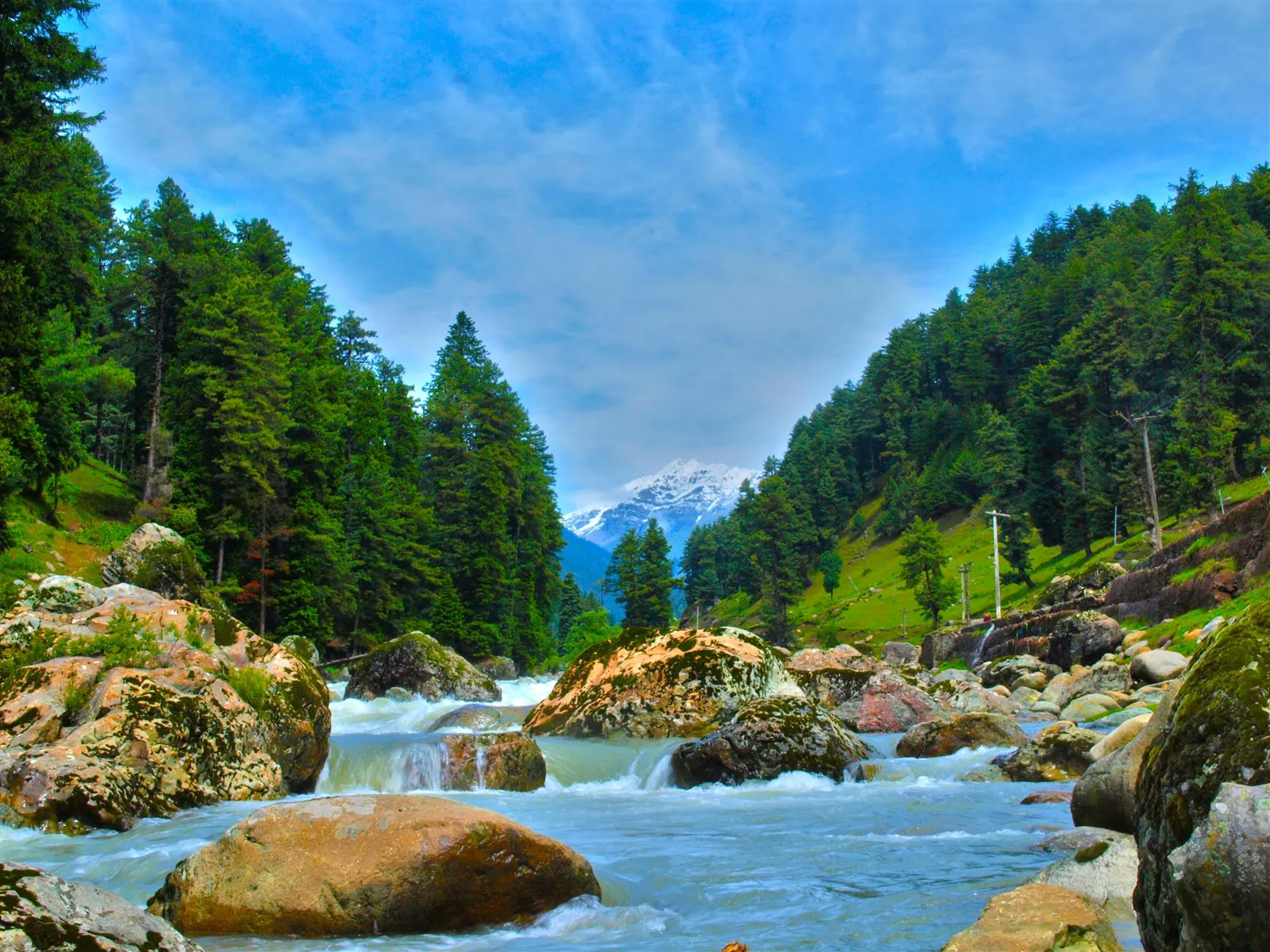
Every year on 26 October, Accession Day marks a historic moment in Jammu and Kashmir’s history. In 1947, Maharaja Hari Singh signed the Instr
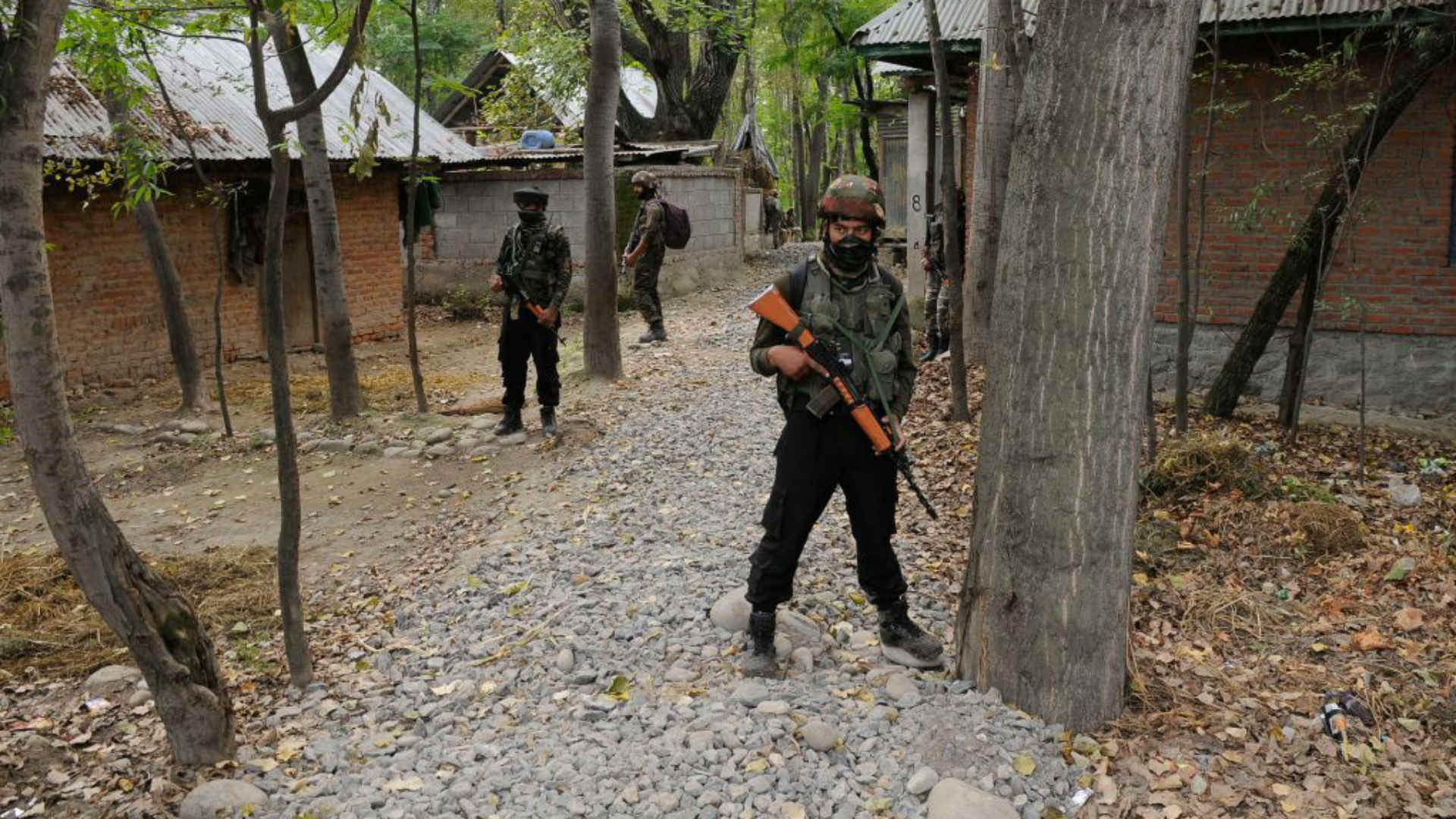
The dispute over Jammu and Kashmir remains unresolved nearly eight decades after the events of October 1947. Although the Government of India maint


PCP need your support that we may provide you better services: click on donate


"Trial of Pakistani Christian Nation" By Nazir S Bhatti
On demand of our readers, I have decided to release E-Book version of "Trial of Pakistani Christian Nation" on website of PCP which can also be viewed on website of Pakistan Christian Congress www.pakistanchristiancongress.org . You can read chapter wise by clicking tab on left handside of PDF format of E-Book.