
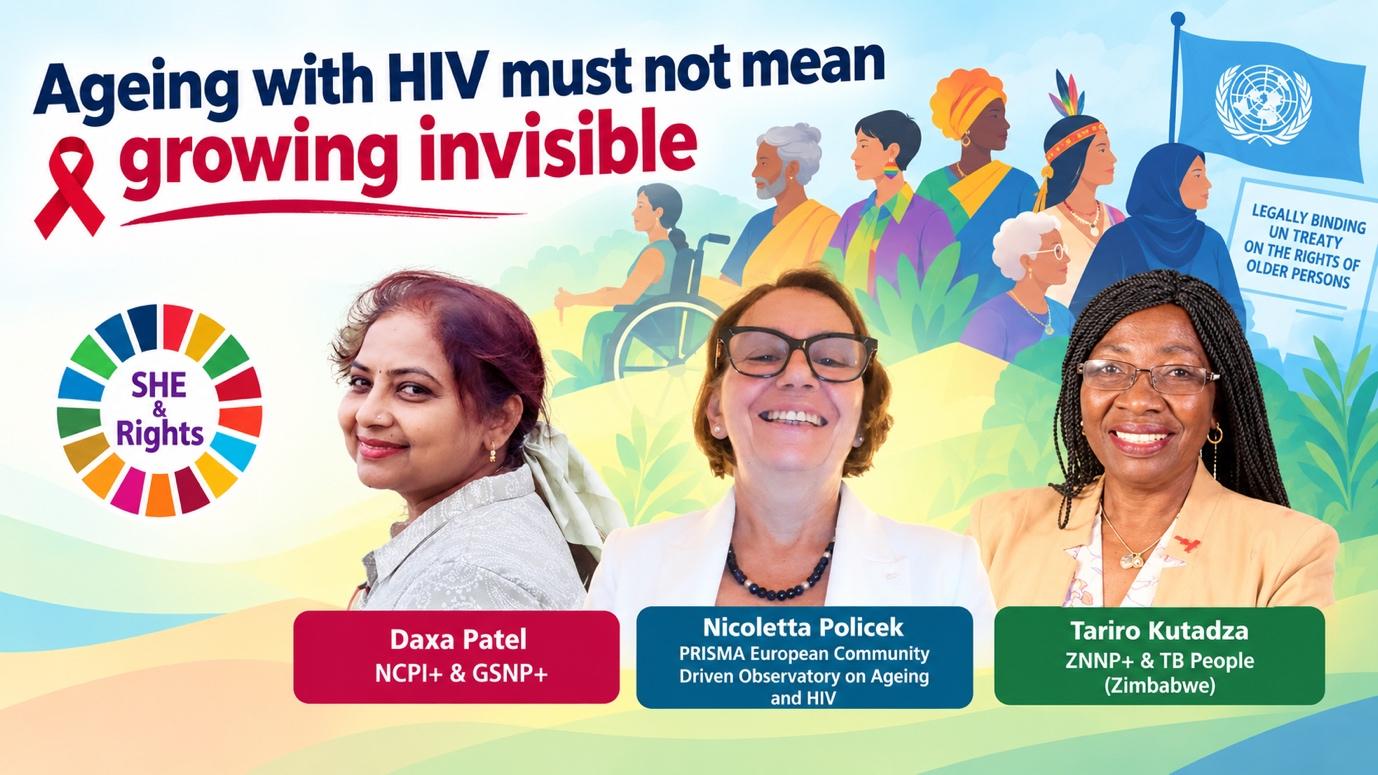
As long-term HIV survivors face stigma, fragmented healthcare and financial insecurity, community leaders call for a legally binding UN treat
The Mecca Defence Pact Cannot Diminish India’s Strength. By Farooq Ganderbali
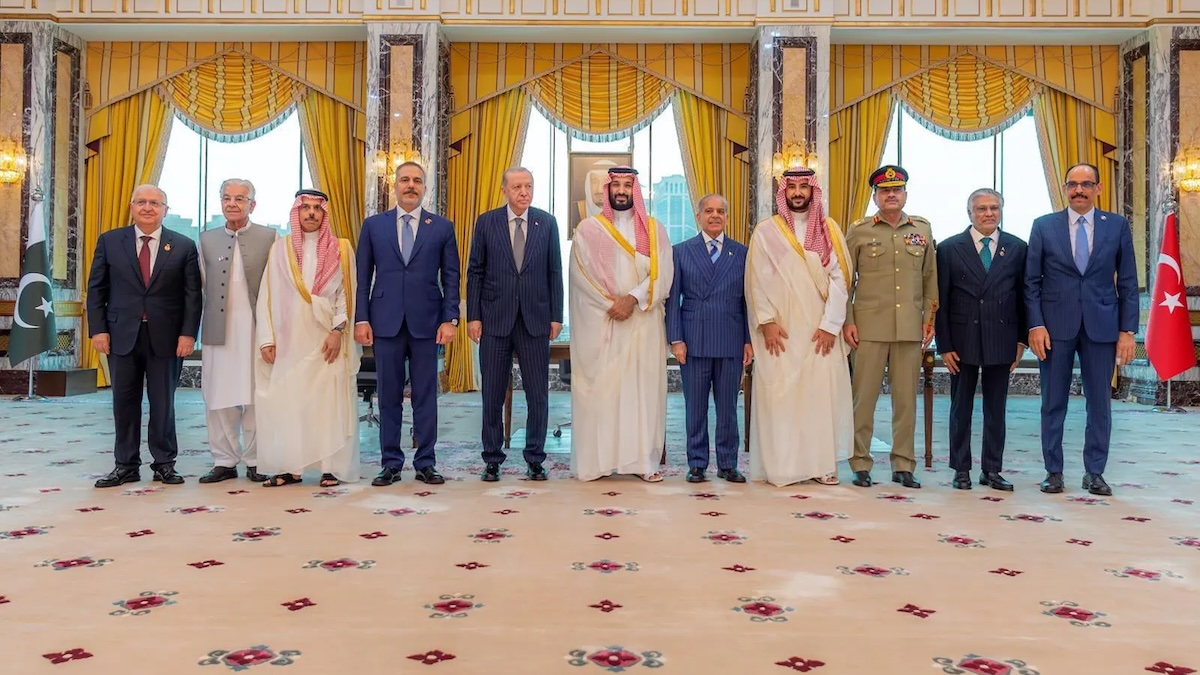
The Mecca Joint Defence Agreement between Saudi Arabia, Pakistan and Türkiye has attracted considerable attention, particularly because it declares that an armed attack against one member will be treated as an attack against all three. While the agreement is an important regional development, it should not be exaggerated or presented as a threat capable of changing India’s strategic position.
India is far too large, powerful and strategically important to be defined by any regional alliance. Modern India is not dependent on military strength alone. It is a rising global power with a huge economy, one of the world’s largest markets, advanced technology, a strong defence capability, a skilled population and growing influence across international affairs.
India’s strength is comprehensive. It is a major force in information technology, pharmaceuticals, healthcare, agriculture, manufacturing, space research, digital infrastructure and renewable energy. Its rapidly expanding economy and enormous consumer market make India an essential partner for countries across the world.
The three countries behind the Mecca agreement also have different strategic priorities. Pakistan’s primary security focus remains India and Kashmir. Türkiye faces challenges involving Syria, Kurdish armed groups, Israel and the eastern Mediterranean. Saudi Arabia has major concerns involving Iran, the Houthis and the wider security environment of the Gulf. These interests are not identical, and therefore the agreement should not automatically be interpreted as an anti-India military bloc.
Pakistan, in particular, faces serious economic and political challenges. Its dependence on external financial assistance, internal political divisions and economic instability limit its ability to sustain prolonged strategic competition with India. Pakistan may seek support from friendly countries, but financial assistance cannot substitute for a strong and sustainable economy.
India, meanwhile, continues to strengthen its defence capabilities and strategic autonomy. Its armed forces are modernising, domestic defence production is expanding and India is increasingly capable of manufacturing advanced military equipment at home. India also maintains strategic partnerships with major powers and important countries across the Gulf and Indo-Pacific.
Saudi Arabia’s relationship with India is another important factor. India and Saudi Arabia have deep economic and energy links, growing investment ties and extensive people-to-people connections. Cooperation with Pakistan does not erase these interests.
India’s greatest advantage, however, is its people. Despite enormous linguistic, cultural and regional diversity, the country remains united when its sovereignty and national interests are challenged. A confident population, strong institutions, a capable military and a growing economy together create extraordinary national resilience.
India should therefore respond to the Mecca pact with confidence, not anxiety. There is no need for exaggerated rhetoric or unnecessary confrontation. India’s answer should be continued economic growth, technological advancement, defence preparedness, diplomatic engagement and national unity.
The world is increasingly recognising India as a responsible and consequential global power. Its influence extends far beyond South Asia, and its economic and technological rise is creating opportunities for partnerships across the world.
The Mecca agreement may influence regional security calculations, but it cannot change the fundamental reality of India’s growing power.
India is strong, confident and united. Its future does not depend on any regional alliance. A stronger economy, stronger defence, advanced technology, global partnerships and national unity will ensure that India is fully prepared to meet any challenge and protect its national interests.
India is far too large, powerful and strategically important to be defined by any regional alliance. Modern India is not dependent on military strength alone. It is a rising global power with a huge economy, one of the world’s largest markets, advanced technology, a strong defence capability, a skilled population and growing influence across international affairs.
India’s strength is comprehensive. It is a major force in information technology, pharmaceuticals, healthcare, agriculture, manufacturing, space research, digital infrastructure and renewable energy. Its rapidly expanding economy and enormous consumer market make India an essential partner for countries across the world.
The three countries behind the Mecca agreement also have different strategic priorities. Pakistan’s primary security focus remains India and Kashmir. Türkiye faces challenges involving Syria, Kurdish armed groups, Israel and the eastern Mediterranean. Saudi Arabia has major concerns involving Iran, the Houthis and the wider security environment of the Gulf. These interests are not identical, and therefore the agreement should not automatically be interpreted as an anti-India military bloc.
Pakistan, in particular, faces serious economic and political challenges. Its dependence on external financial assistance, internal political divisions and economic instability limit its ability to sustain prolonged strategic competition with India. Pakistan may seek support from friendly countries, but financial assistance cannot substitute for a strong and sustainable economy.
India, meanwhile, continues to strengthen its defence capabilities and strategic autonomy. Its armed forces are modernising, domestic defence production is expanding and India is increasingly capable of manufacturing advanced military equipment at home. India also maintains strategic partnerships with major powers and important countries across the Gulf and Indo-Pacific.
Saudi Arabia’s relationship with India is another important factor. India and Saudi Arabia have deep economic and energy links, growing investment ties and extensive people-to-people connections. Cooperation with Pakistan does not erase these interests.
India’s greatest advantage, however, is its people. Despite enormous linguistic, cultural and regional diversity, the country remains united when its sovereignty and national interests are challenged. A confident population, strong institutions, a capable military and a growing economy together create extraordinary national resilience.
India should therefore respond to the Mecca pact with confidence, not anxiety. There is no need for exaggerated rhetoric or unnecessary confrontation. India’s answer should be continued economic growth, technological advancement, defence preparedness, diplomatic engagement and national unity.
The world is increasingly recognising India as a responsible and consequential global power. Its influence extends far beyond South Asia, and its economic and technological rise is creating opportunities for partnerships across the world.
The Mecca agreement may influence regional security calculations, but it cannot change the fundamental reality of India’s growing power.
India is strong, confident and united. Its future does not depend on any regional alliance. A stronger economy, stronger defence, advanced technology, global partnerships and national unity will ensure that India is fully prepared to meet any challenge and protect its national interests.
You May Also Like
Every year on 26 October, Accession Day marks a historic moment in Jammu and Kashmir’s history. In 1947, Maharaja Hari Singh signed the Instr
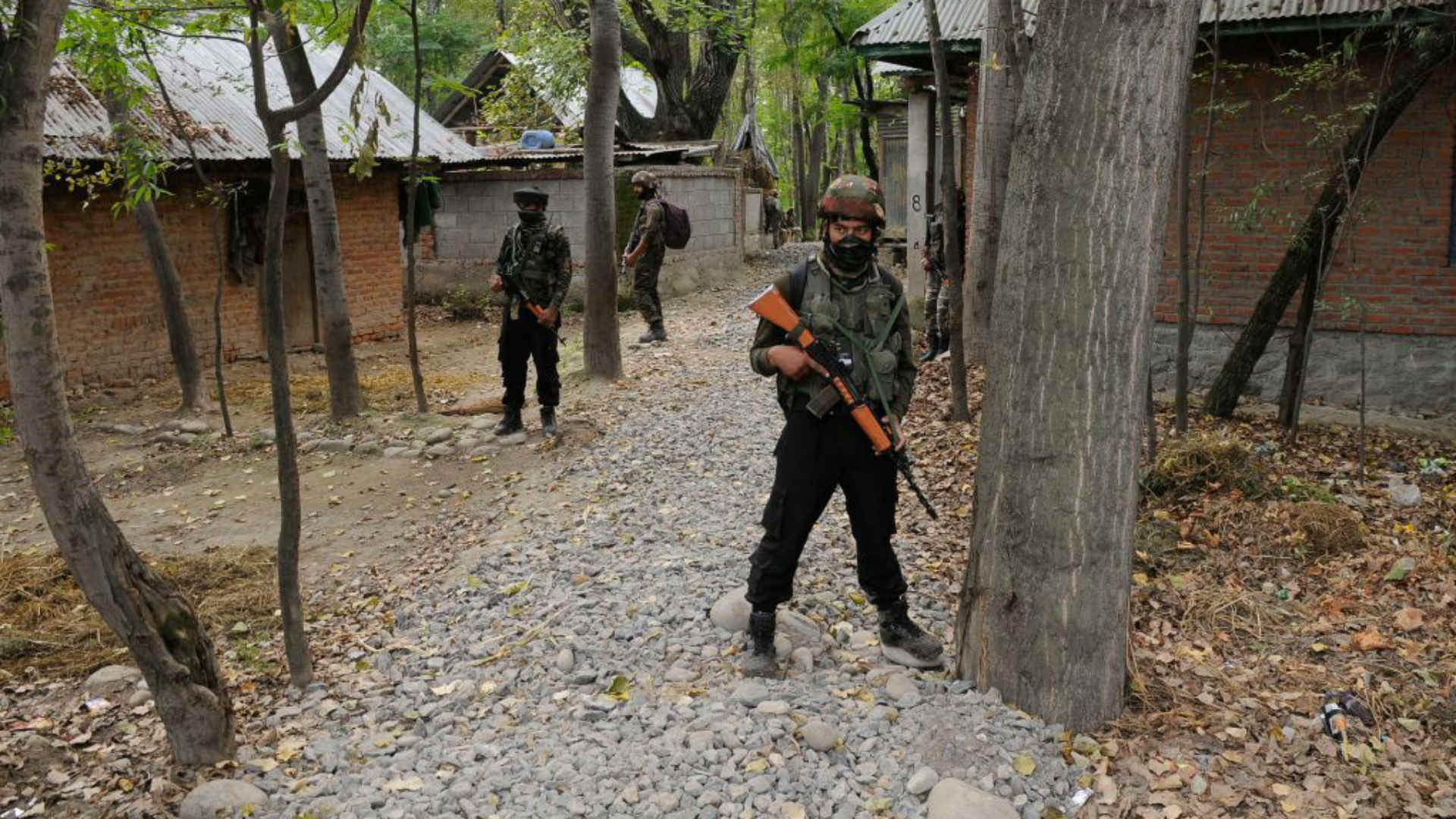
The dispute over Jammu and Kashmir remains unresolved nearly eight decades after the events of October 1947. Although the Government of India maint


PCP need your support that we may provide you better services: click on donate


"Trial of Pakistani Christian Nation" By Nazir S Bhatti
On demand of our readers, I have decided to release E-Book version of "Trial of Pakistani Christian Nation" on website of PCP which can also be viewed on website of Pakistan Christian Congress www.pakistanchristiancongress.org . You can read chapter wise by clicking tab on left handside of PDF format of E-Book.