
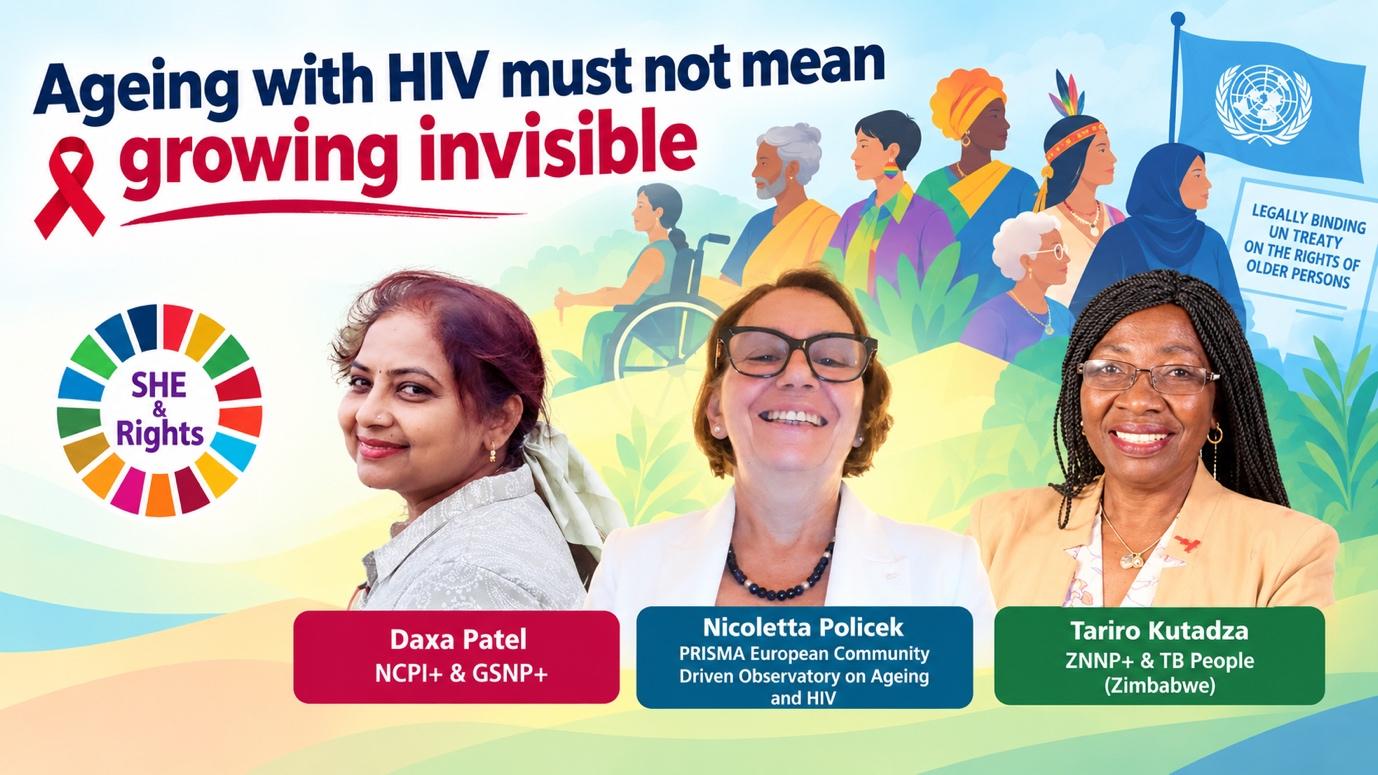
As long-term HIV survivors face stigma, fragmented healthcare and financial insecurity, community leaders call for a legally binding UN treat
August: A Month of Incomplete Happiness for Minorities in Pakistan. By Dr. Emanuel Adil Ghouri
In 1992, the United Nations designated December 22 as "Minority Day" to express global solidarity with minorities; since then, the day has been observed worldwide. However, Pakistan is the only country that has deviated from the UN-designated date, observing Minority Day on August 11 instead since 2009. In 2025, the Punjab government expanded the observance, designating it as "Minority Week."In the initial 365 days, there was one day dedicated to minorities; later, thanks to the Chief Minister of Punjab, this was extended to seven days. However, this time, the duration has shrunk to just five days—much like how the rights articulated by Jinnah have been diminishing over time. Whether it is a matter of one day or seven, the real question is this: we have been observing 'Minority Day' for the past 17 years, yet what specific privileges are actually granted to minorities on this day that distinguish them from others?
In 2009, just seven days before the People's Party government was preparing to issue a notification for 'Minority Day'—specifically on August 1, 2009—a mob of 1,500 religious extremists attacked a Christian neighborhood in Gojra based on a baseless allegation of blasphemy; the attack resulted in the burning of hundreds of homes and the burning alive of eight Christians. Observing 'Minority Day' merely ten days after this tragedy was by no means appropriate and stands as a reflection of our collective apathy.
Now, whenever August 11th approaches, I am reminded of the Gojra tragedy of August 1st—an event whose victims have yet to receive justice, even after seventeen years. Similarly, in 2023, the Jaranwala tragedy occurred just five days after Minority Day; hundreds of homes and twenty-six churches were torched, and those affected are still awaiting justice. Are these victims sharing in the celebrations of Minority Day? Do those who are rejoicing truly comprehend their suffering?
The "August 11" argument regarding minorities refers to Quaid-e-Azam’s historic speech of August 11, 1947, in which he declared that minorities in Pakistan would enjoy equal rights, irrespective of race, ethnicity, or religion. The question now arises: are Quaid-e-Azam’s pronouncements being implemented? Do we possess equal rights? Is there an absence of religious discrimination? Are we treated as equal citizens? In reality, that speech was never acted upon, nor does it appear likely to be implemented in the future. The negation of Jinnah’s address effectively began on March 12, 1949, when the Objectives Resolution was incorporated into the national constitution, thereby laying the foundation for religious discrimination. A further escalation of religious intolerance occurred during the regime of military dictator General Muhammad Zia-ul-Haq, when the recording of that speech by Jinnah was removed from the Radio Pakistan archives.
In my view, apart from a few self-serving political opportunists, minorities generally have no real interest in this day. For instance, the interfaith harmony rally organized by Christian MPAs—including Ramesh Singh Arora, the Minister for Human Rights and Minority Affairs—on 'Minorities Day' failed to gather even 2,600 people out of Punjab’s 2.6 million Christians. This serves as a clear indication that minorities outright reject such symbolic observances, which are staged merely to demonstrate to the international community that minorities here enjoy religious freedom, equal rights, and the protection of life and property.
The observance of 'Minority Day' conveys the impression that a distinction exists here between the minority and the majority—suggesting that minorities stand beneath the white portion of the national flag, while the majority stands beneath the green crescent flag. If we are indeed equal citizens —regardless of race, color, or religion—then we should simply celebrate 14th August as Independence Day.
In 2009, just seven days before the People's Party government was preparing to issue a notification for 'Minority Day'—specifically on August 1, 2009—a mob of 1,500 religious extremists attacked a Christian neighborhood in Gojra based on a baseless allegation of blasphemy; the attack resulted in the burning of hundreds of homes and the burning alive of eight Christians. Observing 'Minority Day' merely ten days after this tragedy was by no means appropriate and stands as a reflection of our collective apathy.
Now, whenever August 11th approaches, I am reminded of the Gojra tragedy of August 1st—an event whose victims have yet to receive justice, even after seventeen years. Similarly, in 2023, the Jaranwala tragedy occurred just five days after Minority Day; hundreds of homes and twenty-six churches were torched, and those affected are still awaiting justice. Are these victims sharing in the celebrations of Minority Day? Do those who are rejoicing truly comprehend their suffering?
The "August 11" argument regarding minorities refers to Quaid-e-Azam’s historic speech of August 11, 1947, in which he declared that minorities in Pakistan would enjoy equal rights, irrespective of race, ethnicity, or religion. The question now arises: are Quaid-e-Azam’s pronouncements being implemented? Do we possess equal rights? Is there an absence of religious discrimination? Are we treated as equal citizens? In reality, that speech was never acted upon, nor does it appear likely to be implemented in the future. The negation of Jinnah’s address effectively began on March 12, 1949, when the Objectives Resolution was incorporated into the national constitution, thereby laying the foundation for religious discrimination. A further escalation of religious intolerance occurred during the regime of military dictator General Muhammad Zia-ul-Haq, when the recording of that speech by Jinnah was removed from the Radio Pakistan archives.
In my view, apart from a few self-serving political opportunists, minorities generally have no real interest in this day. For instance, the interfaith harmony rally organized by Christian MPAs—including Ramesh Singh Arora, the Minister for Human Rights and Minority Affairs—on 'Minorities Day' failed to gather even 2,600 people out of Punjab’s 2.6 million Christians. This serves as a clear indication that minorities outright reject such symbolic observances, which are staged merely to demonstrate to the international community that minorities here enjoy religious freedom, equal rights, and the protection of life and property.
The observance of 'Minority Day' conveys the impression that a distinction exists here between the minority and the majority—suggesting that minorities stand beneath the white portion of the national flag, while the majority stands beneath the green crescent flag. If we are indeed equal citizens —regardless of race, color, or religion—then we should simply celebrate 14th August as Independence Day.
You May Also Like
Every year on 26 October, Accession Day marks a historic moment in Jammu and Kashmir’s history. In 1947, Maharaja Hari Singh signed the Instr
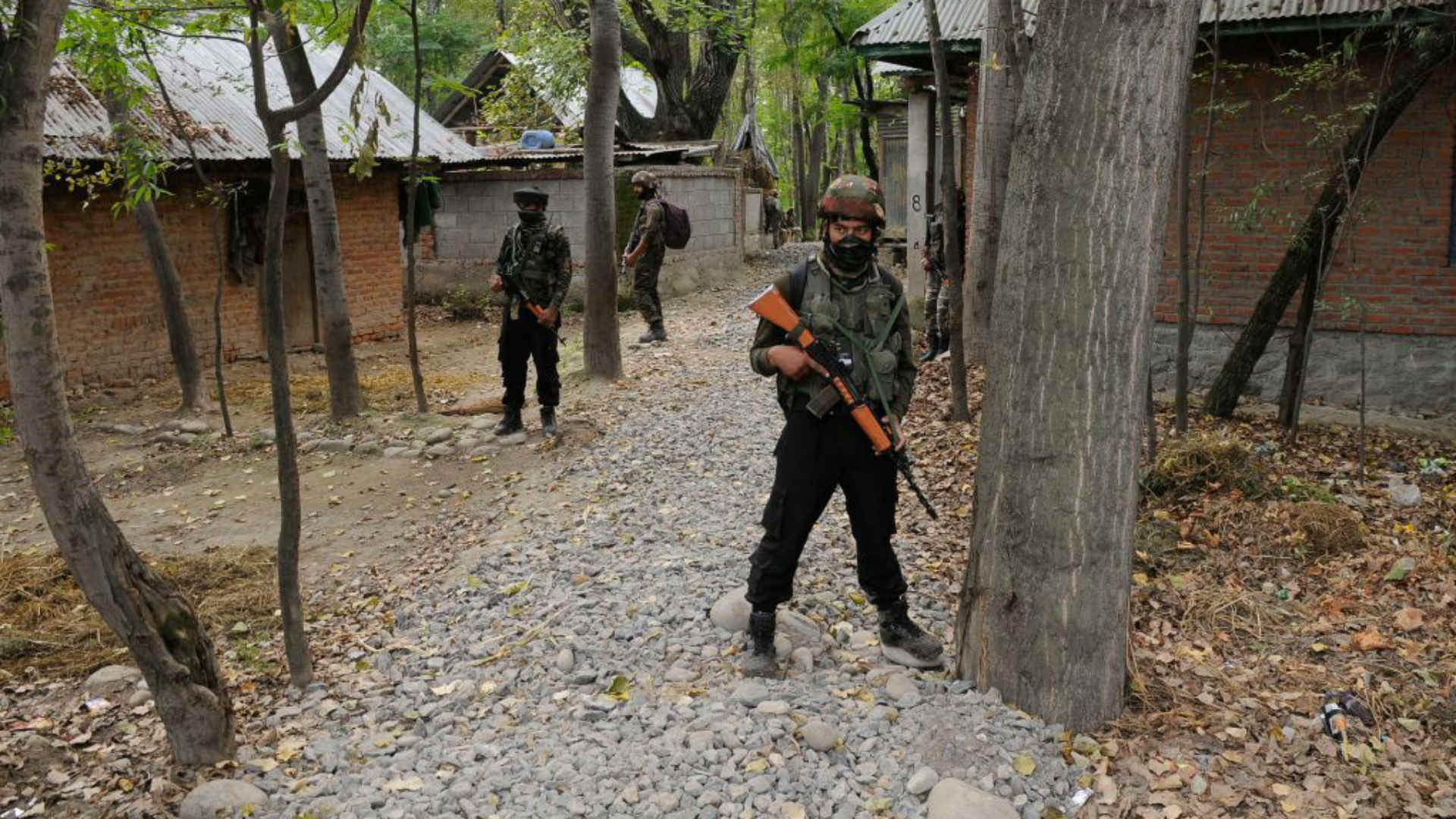
The dispute over Jammu and Kashmir remains unresolved nearly eight decades after the events of October 1947. Although the Government of India maint


PCP need your support that we may provide you better services: click on donate


"Trial of Pakistani Christian Nation" By Nazir S Bhatti
On demand of our readers, I have decided to release E-Book version of "Trial of Pakistani Christian Nation" on website of PCP which can also be viewed on website of Pakistan Christian Congress www.pakistanchristiancongress.org . You can read chapter wise by clicking tab on left handside of PDF format of E-Book.