
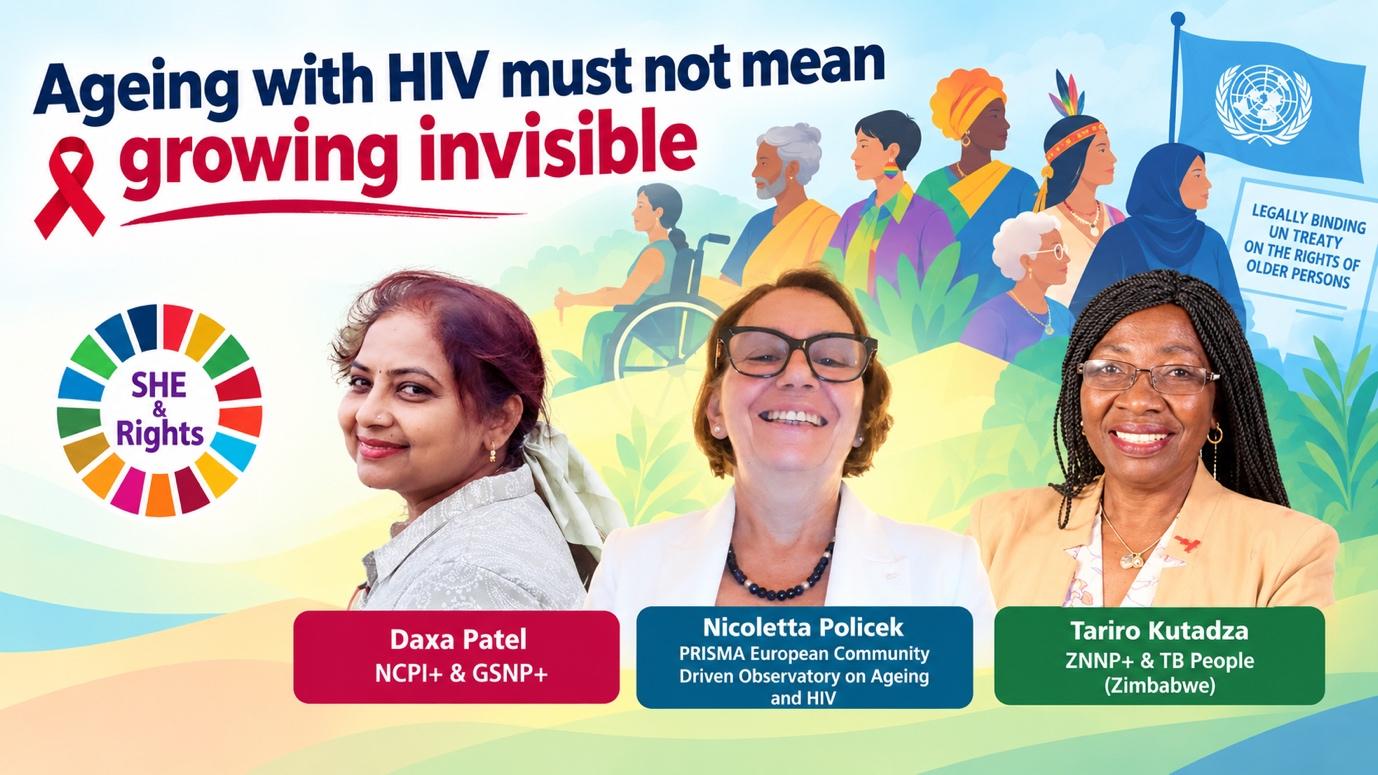
As long-term HIV survivors face stigma, fragmented healthcare and financial insecurity, community leaders call for a legally binding UN treat
One Day, Two Messages: The Security Council's Counterterrorism Debate and Kashmir's Seventh Anniversary. By Dr. Ghulam Nabi Fai
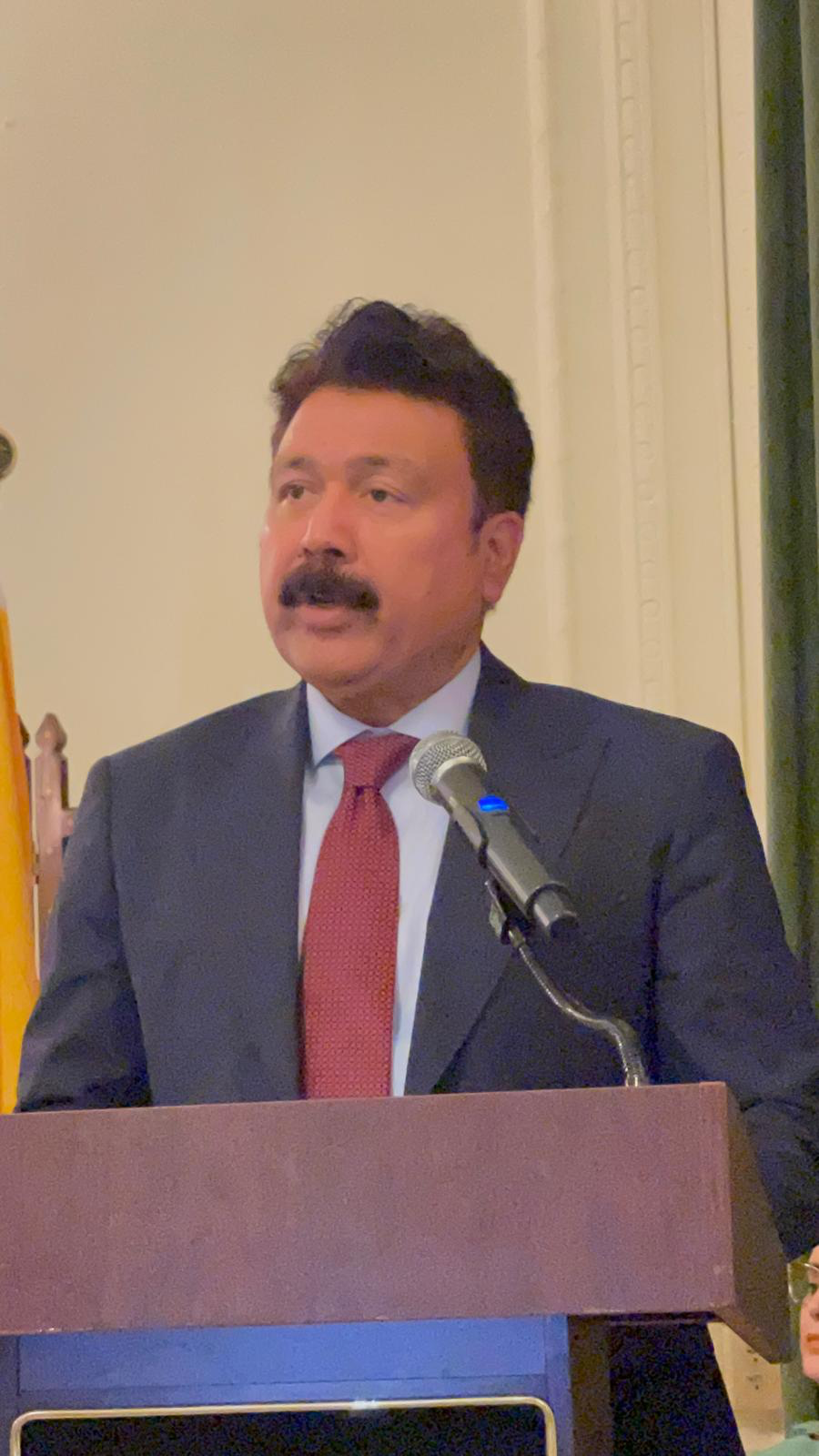
The United Nations Security Council's 10,205th meeting on "Threats to International Peace and Security Caused by Terrorist Acts" on August 5, 2026, delivered a message that should resonate far beyond the Council chamber: the fight against terrorism must remain firmly anchored in international law, human rights, and the rule of law. In an era when governments increasingly invoke national security to justify extraordinary measures, this reminder could not have been more timely.
Presiding over the meeting, Ambassador Christina Markus Lassen of Denmark, President of the Security Council for the month of August, emphasized that the UN Global Counter-Terrorism Strategy is built on a delicate but indispensable balance. Counterterrorism efforts, she stressed, must advance all four pillars of the strategy equally, ensuring that security objectives never eclipse the protection of fundamental rights.
That principle was reinforced by Acting United Nations Under-Secretary-General for Counter-Terrorism Alexander Zuyev, who reminded member states that compliance with international human rights law, humanitarian law, and refugee law is not simply a legal obligation—it is a strategic necessity. Experience has repeatedly demonstrated that durable security cannot be achieved by compromising the very legal norms designed to protect human dignity.
Throughout the debate, delegates underscored a fundamental truth: terrorism knows no borders, no nationality, and no religion. Organizations such as ISIL/Daesh, TTP, BLA, ADF, ISWAP, ISGS, and terrorist groups operating in the Lake Chad Basin continue to threaten international peace and stability, demanding sustained international cooperation.
Yet the Security Council's discussion also illuminated a broader challenge confronting the international community: the danger of allowing counterterrorism narratives to obscure unresolved political disputes and the rights guaranteed under international law.
Pakistan's Permanent Representative to the United Nations, Ambassador Asim Iftikhar Ahmad, used the occasion to remind the Council that 5 August marked the seventh anniversary of India's revocation of Articles 370 and 35A and the constitutional changes imposed in Jammu and Kashmir. He argued that these unilateral actions intensified political repression and deepened the suffering of the Kashmiri people.
More importantly, Ambassador Iftikhar cautioned against a trend that deserves serious international scrutiny: the misuse of counterterrorism as a justification for suppressing legitimate political aspirations. "Zero tolerance" for terrorism, he argued, must also mean zero tolerance for the abuse of counterterrorism frameworks to deny internationally recognized rights or suppress peoples living under foreign occupation. His remarks reflected a broader concern that exceptional security powers, if left unchecked, risk undermining the very international legal order they are intended to defend.
Later that day, during a gathering commemorating the events of August 5, 2019, Ambassador Iftikhar reiterated Pakistan's longstanding position that demographic changes, prolonged restrictions, and unilateral constitutional measures cannot alter the internationally recognized disputed status of Jammu and Kashmir. He reaffirmed Pakistan's commitment to pursuing the issue through peaceful diplomacy and within the framework of the United Nations.
Dr. Ghulam Nabi Fai, Chairman of the World Forum for Peace & Justice, expanded the discussion by returning to first principles. He argued that the right to self-determination is neither an abstract ideal nor a political slogan; it is one of the foundational principles of the United Nations Charter and has been reaffirmed repeatedly through international human rights instruments and UN practice.
Dr. Fai recalled that the applicability of self-determination to Jammu and Kashmir has long been acknowledged within the United Nations system. He cited the International Commission of Jurists' recommendation that India and Pakistan pursue a negotiated settlement subject to ratification by the people of the former princely state through a referendum. He also referenced the reports issued by the Office of the UN High Commissioner for Human Rights in 2018 and 2019, which urged both India and Pakistan to respect the right of self-determination and recommended that the people of Kashmir be included in any future dialogue concerning their political future. He further recalled UN Secretary-General António Guterres' statement that the UN's position on Jammu and Kashmir continues to be governed by the UN Charter and the relevant Security Council resolutions.
Dr. Fai also voiced concern over what he described as demographic changes resulting from the issuance of millions of domicile certificates and extensive land acquisition policies.
While emphasizing the importance of international advocacy, he offered equally candid advice closer to home. Political instability and internal divisions in Azad Jammu and Kashmir, he warned, risk weakening the credibility of the broader Kashmir cause. Unity, dialogue, and responsible governance, he suggested, remain indispensable if international support is to be sustained. He urged dialogue rather than confrontation should be the way-forward.
Pakistan's Consul General, Aamer Ahmed Atozai, echoed these concerns, maintaining that a just and lasting settlement of the dispute must be achieved through the implementation of relevant UN Security Council resolutions and in accordance with the wishes of the Kashmiri people. He argued that the developments since August 2019 have been accompanied by continuing restrictions on civil liberties, demographic changes, and political repression.
Perhaps the most forward-looking intervention came from academic and researcher Sahal Khoso, who urged supporters of the Kashmir cause to look beyond diplomatic statements and invest in knowledge production. He argued that lasting international influence is built not only in ministries and multilateral forums but also in universities, research institutes, and scholarly publications.
His proposal deserves careful consideration. Establishing endowed chairs, visiting fellowships, peer-reviewed journals, and dedicated research centers on Kashmir across universities—particularly within member states of the Organization of Islamic Cooperation—would help ensure that rigorous scholarship complements diplomatic advocacy. As Khoso observed, academic citations often outlast political speeches, and enduring research shapes international understanding long after headlines disappear.
Former Adviser to the Prime Minister of Azad Jammu and Kashmir, Sardar Sawaar Khan, similarly called upon the United Nations to fulfill its commitments under its resolutions while urging greater unity among Kashmiris and Pakistanis.
Sardar Taj Khan, Senior Vice Chairman of Kashmir Mission USA, reaffirmed the resilience of the Kashmiri people and paid tribute to Pakistan's continued political, diplomatic, and moral support.
The coincidence of these events on 5 August was striking. As the Security Council debated how to defeat terrorism while protecting international law, another conversation unfolded about whether those same principles are being applied consistently in one of the world's longest unresolved disputes -Kashmir.
Consistency remains the true test of the international rules-based order. If international law is to command respect, it cannot be invoked selectively. Human rights cannot be universal only when politically convenient. The right to self-determination cannot be defended in one conflict while ignored in another. Counterterrorism is unquestionably essential for global peace and security, but it cannot become a substitute for political dialogue or a justification for diminishing internationally recognized rights.
The world has learned that military force alone rarely resolves protracted political conflicts. Sustainable peace emerges from justice, dialogue, accountability, and respect for international law. Those principles formed the foundation of the United Nations nearly eight decades ago. They remain just as relevant today.
Councilor Saima Saleem, a seasoned diplomat was the emcee of the event: ‘Youm-e-Istehsal-e-Kashmir.’
(Dr. Ghulam Nabi Fai can be reached at: WhatsApp: 1-202-607-6435 gnfai2003@yahoo.com)
Presiding over the meeting, Ambassador Christina Markus Lassen of Denmark, President of the Security Council for the month of August, emphasized that the UN Global Counter-Terrorism Strategy is built on a delicate but indispensable balance. Counterterrorism efforts, she stressed, must advance all four pillars of the strategy equally, ensuring that security objectives never eclipse the protection of fundamental rights.
That principle was reinforced by Acting United Nations Under-Secretary-General for Counter-Terrorism Alexander Zuyev, who reminded member states that compliance with international human rights law, humanitarian law, and refugee law is not simply a legal obligation—it is a strategic necessity. Experience has repeatedly demonstrated that durable security cannot be achieved by compromising the very legal norms designed to protect human dignity.
Throughout the debate, delegates underscored a fundamental truth: terrorism knows no borders, no nationality, and no religion. Organizations such as ISIL/Daesh, TTP, BLA, ADF, ISWAP, ISGS, and terrorist groups operating in the Lake Chad Basin continue to threaten international peace and stability, demanding sustained international cooperation.
Yet the Security Council's discussion also illuminated a broader challenge confronting the international community: the danger of allowing counterterrorism narratives to obscure unresolved political disputes and the rights guaranteed under international law.
Pakistan's Permanent Representative to the United Nations, Ambassador Asim Iftikhar Ahmad, used the occasion to remind the Council that 5 August marked the seventh anniversary of India's revocation of Articles 370 and 35A and the constitutional changes imposed in Jammu and Kashmir. He argued that these unilateral actions intensified political repression and deepened the suffering of the Kashmiri people.
More importantly, Ambassador Iftikhar cautioned against a trend that deserves serious international scrutiny: the misuse of counterterrorism as a justification for suppressing legitimate political aspirations. "Zero tolerance" for terrorism, he argued, must also mean zero tolerance for the abuse of counterterrorism frameworks to deny internationally recognized rights or suppress peoples living under foreign occupation. His remarks reflected a broader concern that exceptional security powers, if left unchecked, risk undermining the very international legal order they are intended to defend.
Later that day, during a gathering commemorating the events of August 5, 2019, Ambassador Iftikhar reiterated Pakistan's longstanding position that demographic changes, prolonged restrictions, and unilateral constitutional measures cannot alter the internationally recognized disputed status of Jammu and Kashmir. He reaffirmed Pakistan's commitment to pursuing the issue through peaceful diplomacy and within the framework of the United Nations.
Dr. Ghulam Nabi Fai, Chairman of the World Forum for Peace & Justice, expanded the discussion by returning to first principles. He argued that the right to self-determination is neither an abstract ideal nor a political slogan; it is one of the foundational principles of the United Nations Charter and has been reaffirmed repeatedly through international human rights instruments and UN practice.
Dr. Fai recalled that the applicability of self-determination to Jammu and Kashmir has long been acknowledged within the United Nations system. He cited the International Commission of Jurists' recommendation that India and Pakistan pursue a negotiated settlement subject to ratification by the people of the former princely state through a referendum. He also referenced the reports issued by the Office of the UN High Commissioner for Human Rights in 2018 and 2019, which urged both India and Pakistan to respect the right of self-determination and recommended that the people of Kashmir be included in any future dialogue concerning their political future. He further recalled UN Secretary-General António Guterres' statement that the UN's position on Jammu and Kashmir continues to be governed by the UN Charter and the relevant Security Council resolutions.
Dr. Fai also voiced concern over what he described as demographic changes resulting from the issuance of millions of domicile certificates and extensive land acquisition policies.
While emphasizing the importance of international advocacy, he offered equally candid advice closer to home. Political instability and internal divisions in Azad Jammu and Kashmir, he warned, risk weakening the credibility of the broader Kashmir cause. Unity, dialogue, and responsible governance, he suggested, remain indispensable if international support is to be sustained. He urged dialogue rather than confrontation should be the way-forward.
Pakistan's Consul General, Aamer Ahmed Atozai, echoed these concerns, maintaining that a just and lasting settlement of the dispute must be achieved through the implementation of relevant UN Security Council resolutions and in accordance with the wishes of the Kashmiri people. He argued that the developments since August 2019 have been accompanied by continuing restrictions on civil liberties, demographic changes, and political repression.
Perhaps the most forward-looking intervention came from academic and researcher Sahal Khoso, who urged supporters of the Kashmir cause to look beyond diplomatic statements and invest in knowledge production. He argued that lasting international influence is built not only in ministries and multilateral forums but also in universities, research institutes, and scholarly publications.
His proposal deserves careful consideration. Establishing endowed chairs, visiting fellowships, peer-reviewed journals, and dedicated research centers on Kashmir across universities—particularly within member states of the Organization of Islamic Cooperation—would help ensure that rigorous scholarship complements diplomatic advocacy. As Khoso observed, academic citations often outlast political speeches, and enduring research shapes international understanding long after headlines disappear.
Former Adviser to the Prime Minister of Azad Jammu and Kashmir, Sardar Sawaar Khan, similarly called upon the United Nations to fulfill its commitments under its resolutions while urging greater unity among Kashmiris and Pakistanis.
Sardar Taj Khan, Senior Vice Chairman of Kashmir Mission USA, reaffirmed the resilience of the Kashmiri people and paid tribute to Pakistan's continued political, diplomatic, and moral support.
The coincidence of these events on 5 August was striking. As the Security Council debated how to defeat terrorism while protecting international law, another conversation unfolded about whether those same principles are being applied consistently in one of the world's longest unresolved disputes -Kashmir.
Consistency remains the true test of the international rules-based order. If international law is to command respect, it cannot be invoked selectively. Human rights cannot be universal only when politically convenient. The right to self-determination cannot be defended in one conflict while ignored in another. Counterterrorism is unquestionably essential for global peace and security, but it cannot become a substitute for political dialogue or a justification for diminishing internationally recognized rights.
The world has learned that military force alone rarely resolves protracted political conflicts. Sustainable peace emerges from justice, dialogue, accountability, and respect for international law. Those principles formed the foundation of the United Nations nearly eight decades ago. They remain just as relevant today.
Councilor Saima Saleem, a seasoned diplomat was the emcee of the event: ‘Youm-e-Istehsal-e-Kashmir.’
(Dr. Ghulam Nabi Fai can be reached at: WhatsApp: 1-202-607-6435 gnfai2003@yahoo.com)
You May Also Like

Every year on 26 October, Accession Day marks a historic moment in Jammu and Kashmir’s history. In 1947, Maharaja Hari Singh signed the Instr
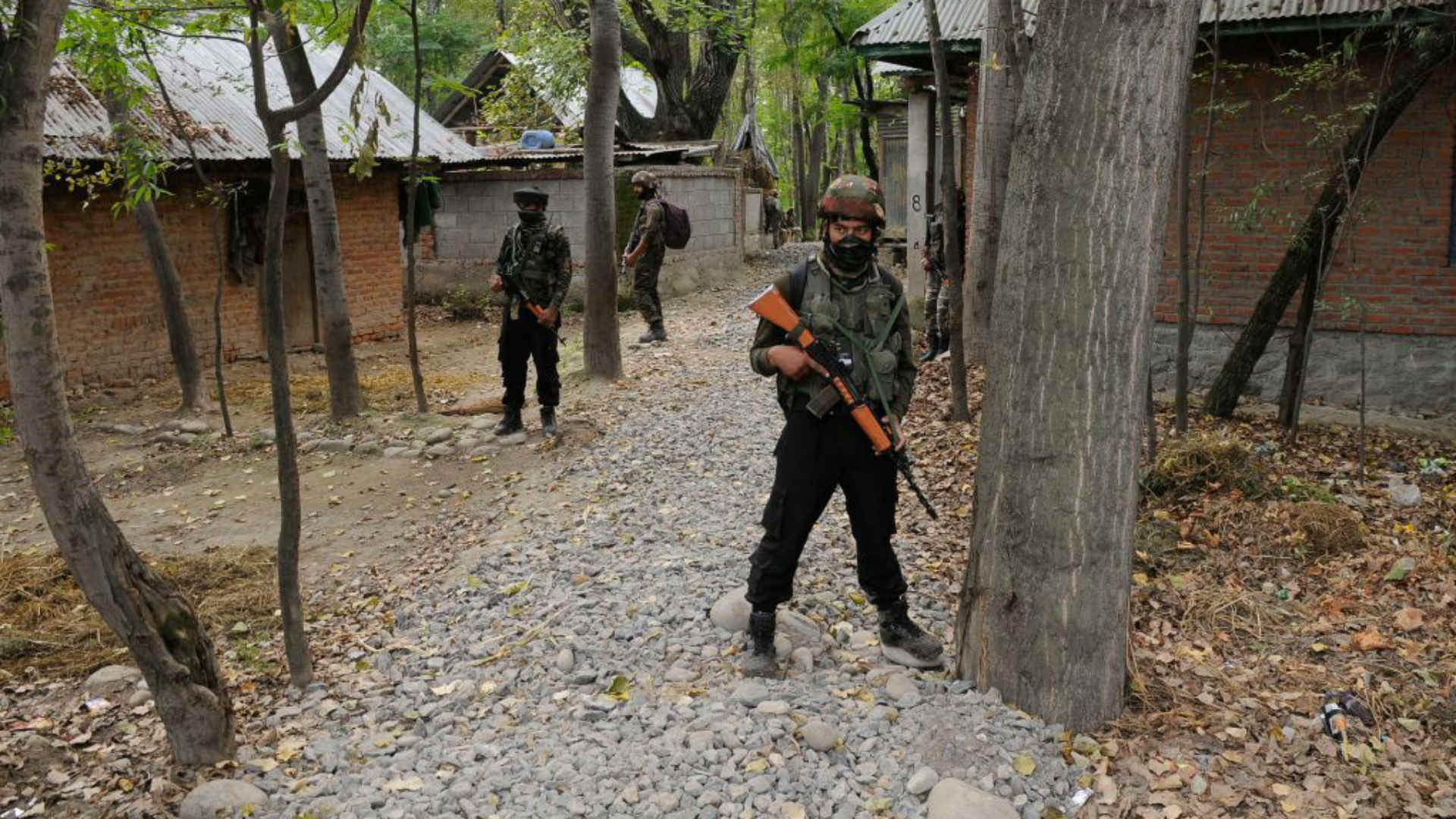
The dispute over Jammu and Kashmir remains unresolved nearly eight decades after the events of October 1947. Although the Government of India maint


PCP need your support that we may provide you better services: click on donate


"Trial of Pakistani Christian Nation" By Nazir S Bhatti
On demand of our readers, I have decided to release E-Book version of "Trial of Pakistani Christian Nation" on website of PCP which can also be viewed on website of Pakistan Christian Congress www.pakistanchristiancongress.org . You can read chapter wise by clicking tab on left handside of PDF format of E-Book.