
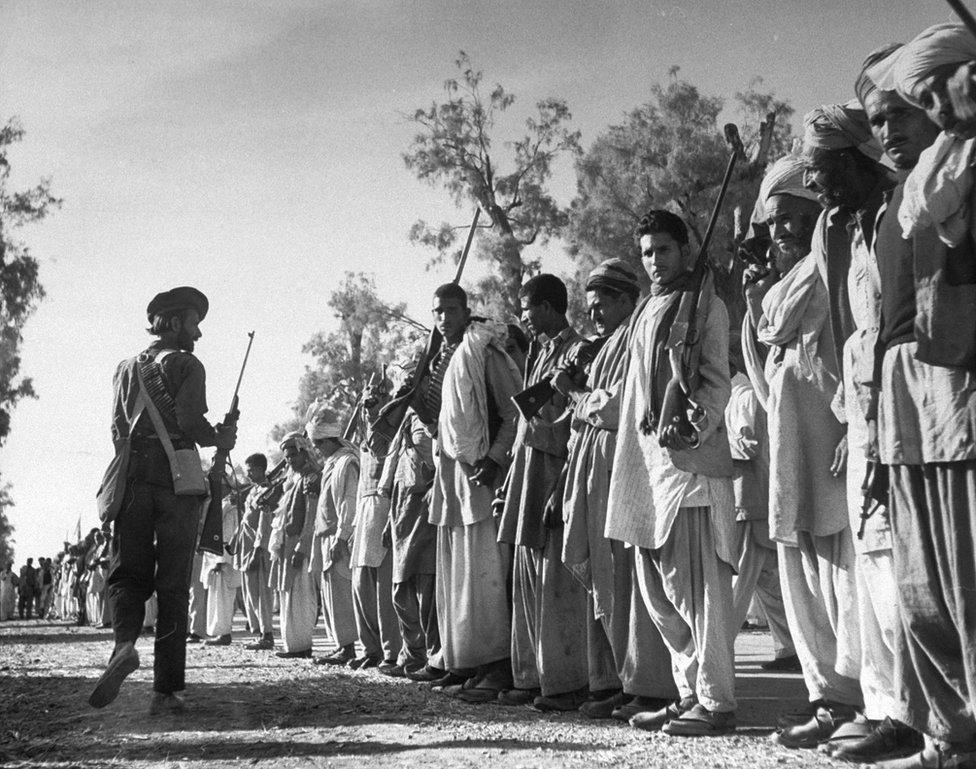
October 22, 1947, remains one of the darkest dates in the history of Jammu and Kashmir. On this day, armed tribal raiders backed by Pakistan launch
The Fading Fabric of Family. By Muhammad Mohsin Iqbal

In days of yore, the family stood as the unshakeable foundation of life, its fabric woven with threads of reverence, tenderness, and mutual reliance. The presence of elders within the home was regarded as a divine blessing, their wrinkled brows and measured words carrying the distilled wisdom of decades. They had seen seasons of plenty and seasons of want; their counsel was never hasty, but rooted in experience both sweet and bitter. Matters great and small—marriages, disputes, harvests, or the education of the young—were laid before the family circle. Voices rose and fell in earnest consultation, differences were aired with respect, and decisions emerged strengthened by collective thought. Sharing every joy doubled its brightness; confiding every sorrow lightened its burden. Such openness was not mere habit but a sacred trust, binding hearts as firmly as blood itself.
Festivals like Eid shone as luminous expressions of this unity. Homes were cleansed with care, lamps lit, and the air filled with the aroma of special dishes prepared by loving hands. Families gathered in their finest attire, exchanging embraces that spoke louder than any words. Youngsters sought the elders’ blessings, pressing foreheads to hands worn by labour and prayer. Visiting relatives was no burdensome custom but a joyful obligation. One would travel dusty paths or crowded streets to enquire after an ailing uncle, to carry sweets to a widowed aunt, or to offer a strong shoulder in times of grief. To be useful in one another’s sorrows and celebrations was considered not charity but a natural duty, the very pulse of kinship.
Then the world shifted. Modernity, with its ceaseless demands and glittering innovations, began to loosen these ancient ties. Technology arrived as a herald of progress, and the internet promised to shrink distances, allowing voices to reach across oceans in an instant. Yet in bridging the far, it often widened the gulf between those who dwelt beneath the same roof. The thoughtful purchase of Eid cards, selected with a discerning eye and inscribed with heartfelt sentiments penned in one’s own hand, has given way to instant messages generated by artificial intelligence—polished, abundant, yet strangely hollow. What once touched the soul now risks becoming mechanical routine.
Worse still, we have turned our gaze outward, forgetting the sorrows and joys nearest to us. We scroll endlessly through the lives of strangers, offering likes and comments to people whose names we barely know, while the quiet struggles of our own parents or the silent longings of our children pass unnoticed. We share stirring posts about kindness, patience, and gratitude—words that stir the conscience for a fleeting moment—yet how rarely do we live even a fraction of their wisdom. Our digital connections resemble bubbles upon still water; shimmering, fragile, and empty at the core. They burst without warning, leaving behind only the memory of illusion.
Within the walls of many homes today, a poignant scene unfolds. In one modest room, a father pores over his telephone, chasing distant conversations or business affairs. Beside him, the mother engages with images and voices from afar, her gentle smile reserved for the screen. The children, heads bent over glowing devices, laugh at jests from unknown companions or compete for admiration among virtual friends. Though seated within arm’s reach, they inhabit separate worlds. The warmth of real voices, the comfort of a shared glance, the simple pleasure of recounting the day’s small events—these have grown rare. We have learned the art of being present in absence, and absent in presence.
The truth, spoken plainly, wounds the heart; we have changed profoundly. We know little of one another now beyond the bare fact that we yet live. The elder’s stories gather dust on forgotten shelves; the family consultation has fallen silent; the spontaneous visit to a relative’s home feels like an inconvenience rather than a delight. Our loved ones, who would stand beside us when fortune smiles or when tempests rage, receive only fragments of our attention. It is they, not the distant crowd, who truly matter.
We must therefore resolve to reclaim the substance of life. Let us set aside the screens at certain hours, lift our eyes to those around us, and rediscover the irreplaceable value of real companionship. Let consultation return to the family table, visits become frequent once more, and festivals regain their former glow of devotion. Technology need not be our master; it can serve if we command it with wisdom. Only by nurturing the bonds with those who share our daily bread and our deepest affections can the family fabric regain its former strength and beauty. In such renewal lies our truest happiness, for the heart finds its home not in the applause of multitudes, but in the quiet fidelity of kin.
Festivals like Eid shone as luminous expressions of this unity. Homes were cleansed with care, lamps lit, and the air filled with the aroma of special dishes prepared by loving hands. Families gathered in their finest attire, exchanging embraces that spoke louder than any words. Youngsters sought the elders’ blessings, pressing foreheads to hands worn by labour and prayer. Visiting relatives was no burdensome custom but a joyful obligation. One would travel dusty paths or crowded streets to enquire after an ailing uncle, to carry sweets to a widowed aunt, or to offer a strong shoulder in times of grief. To be useful in one another’s sorrows and celebrations was considered not charity but a natural duty, the very pulse of kinship.
Then the world shifted. Modernity, with its ceaseless demands and glittering innovations, began to loosen these ancient ties. Technology arrived as a herald of progress, and the internet promised to shrink distances, allowing voices to reach across oceans in an instant. Yet in bridging the far, it often widened the gulf between those who dwelt beneath the same roof. The thoughtful purchase of Eid cards, selected with a discerning eye and inscribed with heartfelt sentiments penned in one’s own hand, has given way to instant messages generated by artificial intelligence—polished, abundant, yet strangely hollow. What once touched the soul now risks becoming mechanical routine.
Worse still, we have turned our gaze outward, forgetting the sorrows and joys nearest to us. We scroll endlessly through the lives of strangers, offering likes and comments to people whose names we barely know, while the quiet struggles of our own parents or the silent longings of our children pass unnoticed. We share stirring posts about kindness, patience, and gratitude—words that stir the conscience for a fleeting moment—yet how rarely do we live even a fraction of their wisdom. Our digital connections resemble bubbles upon still water; shimmering, fragile, and empty at the core. They burst without warning, leaving behind only the memory of illusion.
Within the walls of many homes today, a poignant scene unfolds. In one modest room, a father pores over his telephone, chasing distant conversations or business affairs. Beside him, the mother engages with images and voices from afar, her gentle smile reserved for the screen. The children, heads bent over glowing devices, laugh at jests from unknown companions or compete for admiration among virtual friends. Though seated within arm’s reach, they inhabit separate worlds. The warmth of real voices, the comfort of a shared glance, the simple pleasure of recounting the day’s small events—these have grown rare. We have learned the art of being present in absence, and absent in presence.
The truth, spoken plainly, wounds the heart; we have changed profoundly. We know little of one another now beyond the bare fact that we yet live. The elder’s stories gather dust on forgotten shelves; the family consultation has fallen silent; the spontaneous visit to a relative’s home feels like an inconvenience rather than a delight. Our loved ones, who would stand beside us when fortune smiles or when tempests rage, receive only fragments of our attention. It is they, not the distant crowd, who truly matter.
We must therefore resolve to reclaim the substance of life. Let us set aside the screens at certain hours, lift our eyes to those around us, and rediscover the irreplaceable value of real companionship. Let consultation return to the family table, visits become frequent once more, and festivals regain their former glow of devotion. Technology need not be our master; it can serve if we command it with wisdom. Only by nurturing the bonds with those who share our daily bread and our deepest affections can the family fabric regain its former strength and beauty. In such renewal lies our truest happiness, for the heart finds its home not in the applause of multitudes, but in the quiet fidelity of kin.
You May Also Like

In the developed nations of the world—such as those in Europe, the United States, and the United Kingdom—a democratic form of governmen

Evidence is “the raw data, material, testimony, or information presented to support or disprove a claim.” Proof is “the final con


PCP need your support that we may provide you better services: click on donate


"Trial of Pakistani Christian Nation" By Nazir S Bhatti
On demand of our readers, I have decided to release E-Book version of "Trial of Pakistani Christian Nation" on website of PCP which can also be viewed on website of Pakistan Christian Congress www.pakistanchristiancongress.org . You can read chapter wise by clicking tab on left handside of PDF format of E-Book.