
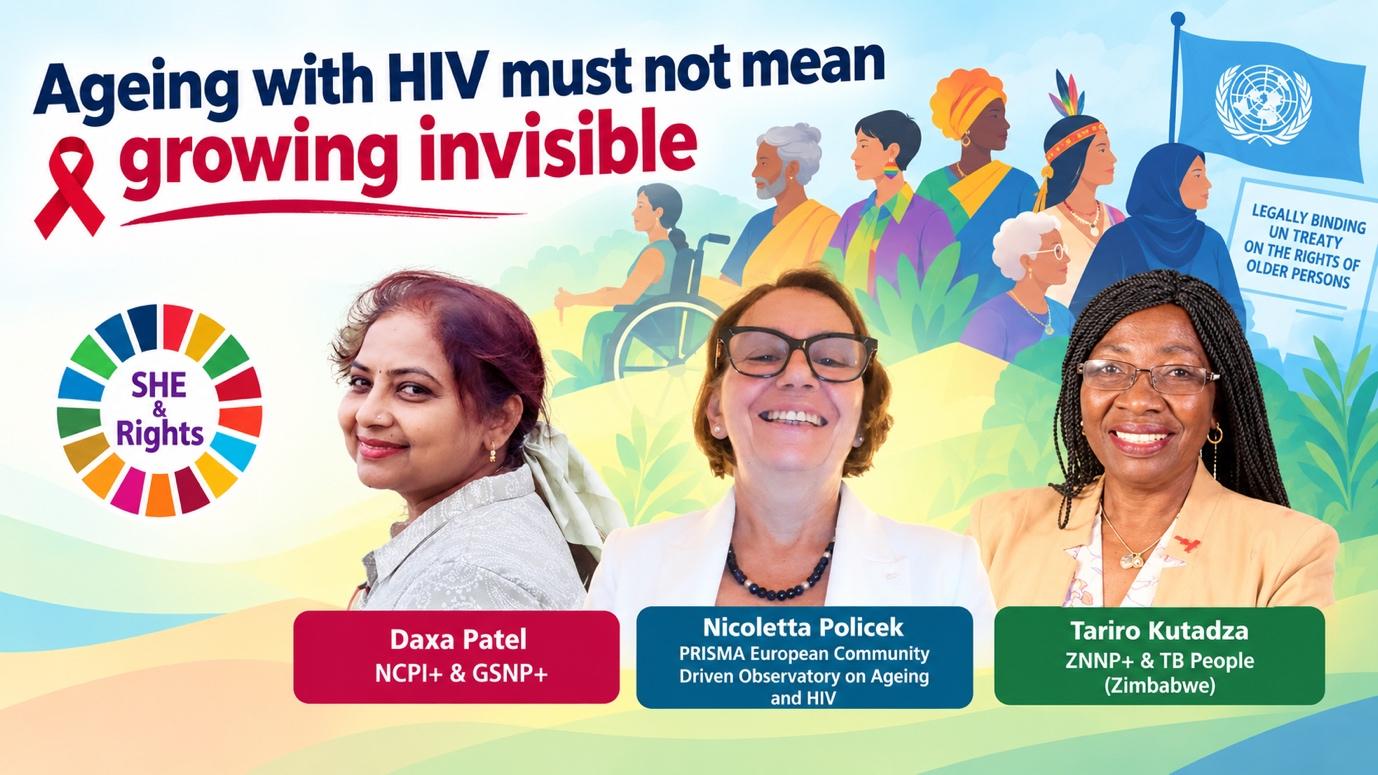
As long-term HIV survivors face stigma, fragmented healthcare and financial insecurity, community leaders call for a legally binding UN treat
Minorities Deprived of Representation in Electoral Reforms Committee2026. By Dr. Emanuel Adil Ghouri
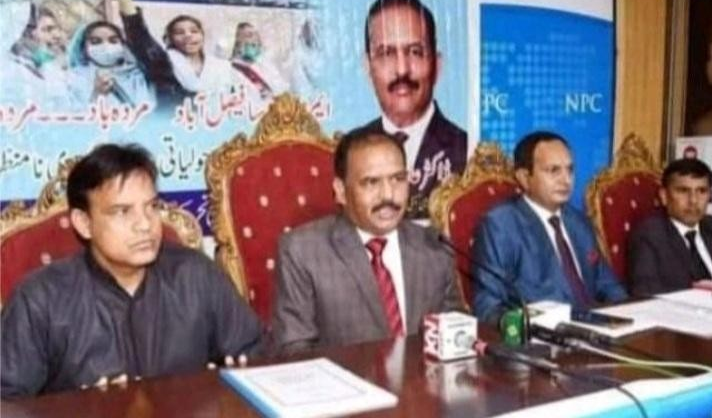
The esteemed English newspaper *The Express Tribune* (Islamabad) published a prominent story in its regular edition on July 17, reporting that the Election Commission of Pakistan will implement electoral reforms prior to the country's upcoming general elections. These measures aim to ensure free and fair elections and provide the public with effective representation. Details of this report are presented below for the interest of readers.
The Election Commission of Pakistan (ECP) has decided to propose amendments to the Constitution and electoral laws ahead of the next general elections, with the aim of strengthening the country's electoral system and aligning it with international best practices. As part of this initiative, the Commission has reactivated its 'Legal Reforms Committee' (LRC), which will comprise senior ECP officials as well as representatives from legal and other relevant sectors. According to sources, the committee will review the legal and constitutional shortcomings that emerged during the 2024 general elections. Based on its review, the committee will formulate recommendations to address identified shortcomings and strengthen the electoral system. The Election Commission of Pakistan (ECP) will also conduct a comprehensive review of the legal framework governing elections to make electoral laws more effective, modern, and aligned with democratic principles. According to sources, the election oversight body will prepare proposals for amendments to the Constitution, the Elections Act 2017, and the Election Rules 2017.
The review will focus on identifying flaws and weaknesses in the existing legal framework while ensuring that the country's electoral laws are aligned with internationally recognized best practices. Once the committee completes its review, the proposed recommendations will be submitted to the relevant forums for consideration. The Commission has set a target to complete the review of constitutional provisions regarding elections by 2026, while the review of the 'Elections Act 2017' and 'Election Rules 2017' is expected to be finalized by December 2026.
It will formulate proposals to align with the 'Elections Act 2017' and 'Election Rules 2017'. Additionally, the plan includes submitting an opinion within three months of the enactment of any new legislation concerning local governments. The Election Commission of Pakistan (ECP) states that the objective of this process is to ensure a transparent, fair, and uniform electoral process by modernizing the legal framework in accordance with evolving democratic requirements and circumstances.
This is not the first committee formed to work on electoral reforms; such committees have been constituted at various times in the past. Unfortunately, representatives of minorities have never been included in these crucial committees, with the result that the political issues facing minorities have failed to come under discussion. The representatives who make up these committees—and who determine the mechanisms for minority
representation—are neither familiar with the issues faced by minorities nor do they have any interest in resolving them. Through this column, I urge the authorities at the Election Commission of Pakistan to grant representation to minorities in the committee currently working on the anticipated reforms, so that their political issues can also be addressed with due importance.
I wish to inform the committee that the prevailing system of representation for minorities—imposed by a military dictator and maintained by successive democratic governments—runs contrary to their wishes; minorities demand the right to elect their own representatives through their own votes. Under the 1973 Constitution, ten seats in the National Assembly were reserved for minority representation, yet even after 53 years, this number has not been increased. While 60 seats in the National Assembly are reserved for women, they are typically distributed among families affiliated with major political parties; it is essential to establish a specific quota to ensure minority women have access to these seats.
Furthermore, political parties should be required to award tickets to minority candidates for general seats in areas with significant minority populations, thereby ensuring equal opportunities for political representation
You May Also Like

Every year on 26 October, Accession Day marks a historic moment in Jammu and Kashmir’s history. In 1947, Maharaja Hari Singh signed the Instr
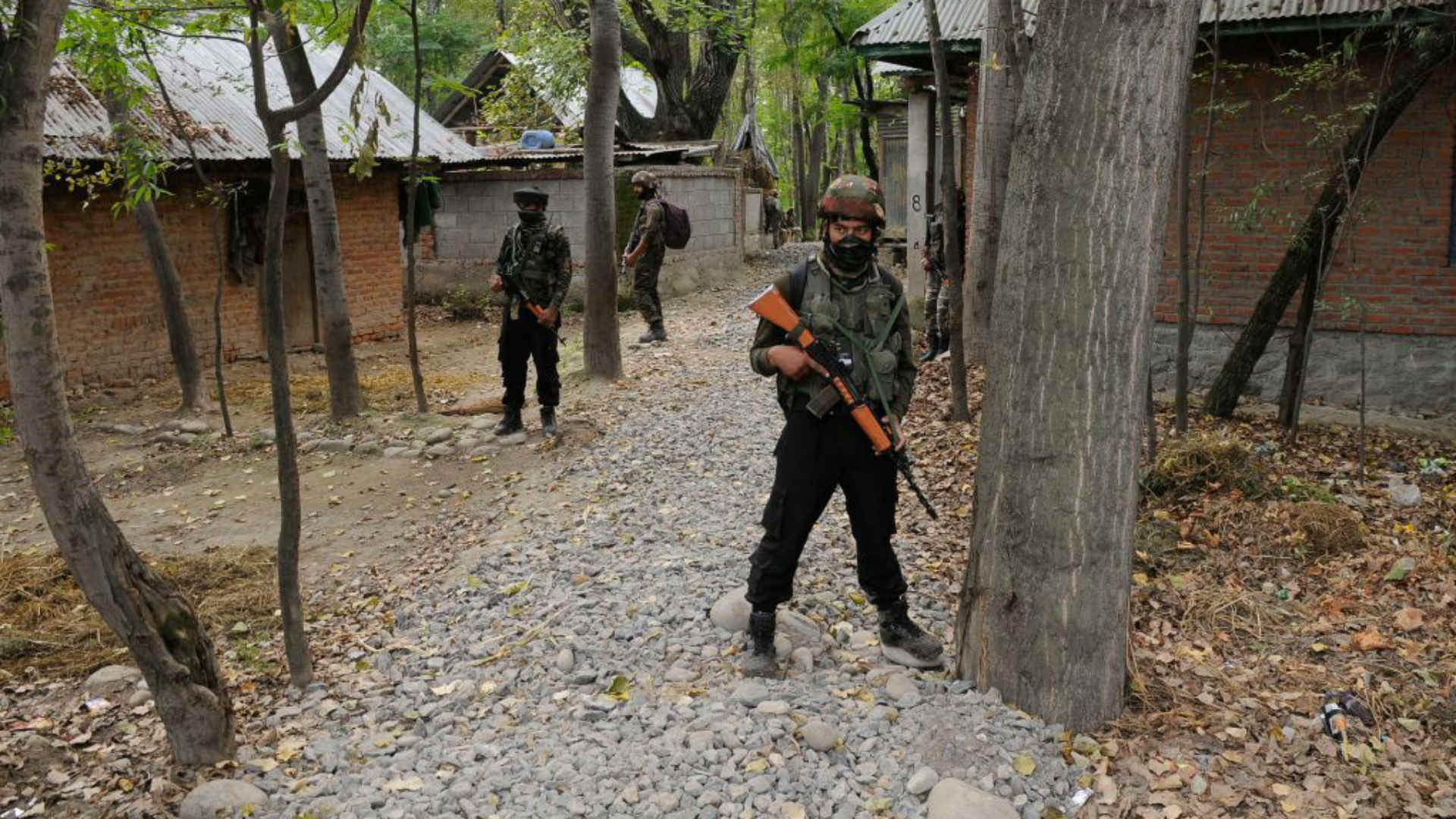
The dispute over Jammu and Kashmir remains unresolved nearly eight decades after the events of October 1947. Although the Government of India maint


PCP need your support that we may provide you better services: click on donate


"Trial of Pakistani Christian Nation" By Nazir S Bhatti
On demand of our readers, I have decided to release E-Book version of "Trial of Pakistani Christian Nation" on website of PCP which can also be viewed on website of Pakistan Christian Congress www.pakistanchristiancongress.org . You can read chapter wise by clicking tab on left handside of PDF format of E-Book.