

As long-term HIV survivors face stigma, fragmented healthcare and financial insecurity, community leaders call for a legally binding UN treat
THE TRINITY (EXPLAINED) By Justin Sharaf
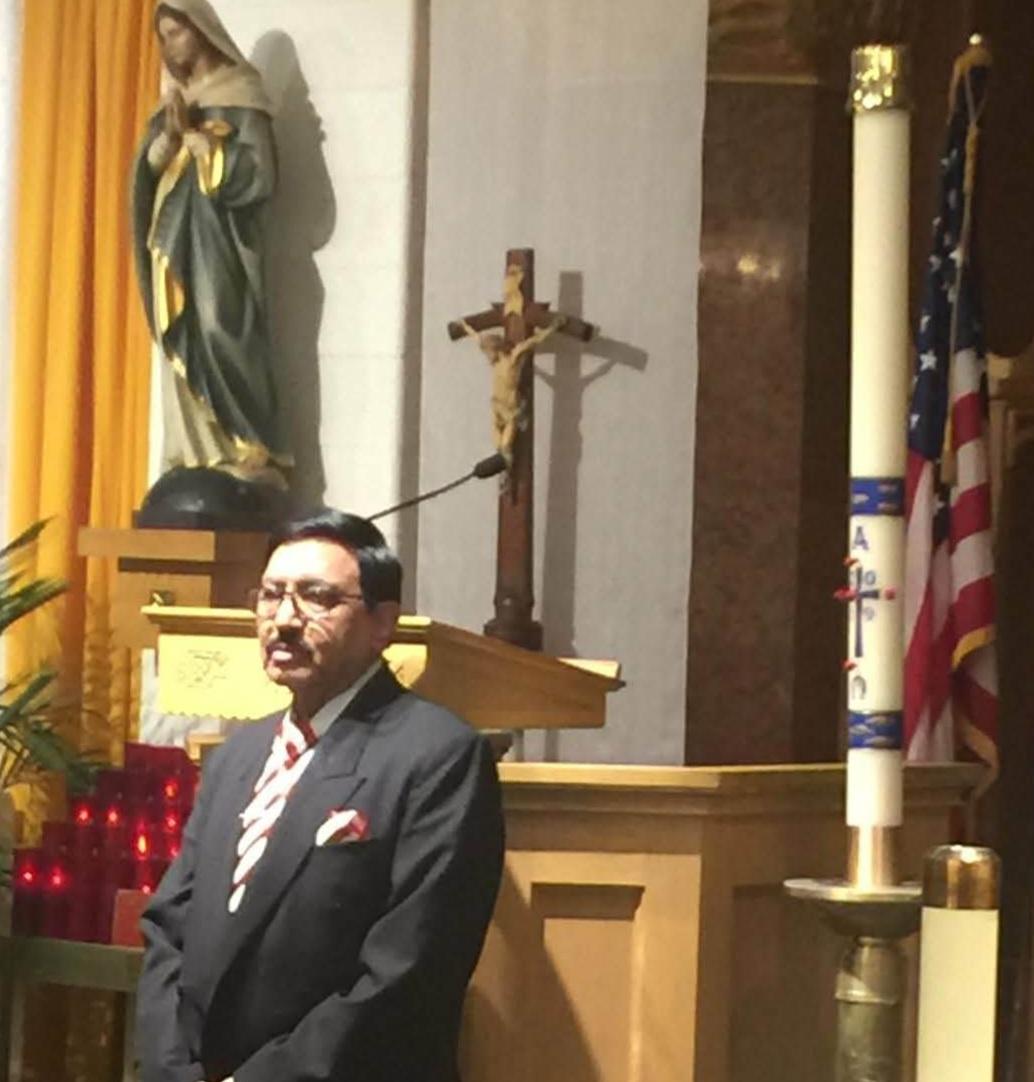
The Trinity is the foundational Christian belief that God is one supreme being who eternally exists as three distinct persons: The Father, the Son (Jesus Christ), and the Holy Spirit.
Although the exact word "Trinity" is never used in the Bible, the concept is woven throughout scripture. The Church coined the term “TRINITY” in the time of the Roman Empire, which eventually became Christian/Catholic. The concept is built on four core truths found throughout the Bible:
The term TRINITY (from the Latin “Trinitas”) was first used by the early Christian theologian Tertullian around 213 AD. He coined the term in his work “Against Praxeus” to describe the concept of God existing as three distinct persons—the Father, the Son, and the Holy Spirit—in one divine essence. While Tertullian gave the church the exact vocabulary, the concept itself evolved over subsequent decades and was formally defined as official Christian doctrine at the Council of Nicaea in 325 AD.
There is only one God: The foundational declaration of the Old Testament is, "Hear, O Israel: The Lord our God, the Lord is one" (Deuteronomy 6:4). God the Father is God: The Bible frequently refers to the Father as God.
Jesus the Son is God: The New Testament identifies Jesus as God in flesh (John 1:1, 1:14, Titus 2:13).
The Holy Spirit is God: The Spirit is described as divine and possessing all the attributes of God (Acts 5:3-4).Key Scriptural Evidence Creation: In Genesis 1:1, the Hebrew word for God, “Elohim”, is actually plural, hinting at a plurality within the one God.
Baptism of Jesus: All three persons are present and distinct at the same time: Jesus is baptized, the Spirit of God descends like a dove, and the Father speaks from Heaven (Matthew 3:16-17).
The Great Commission: Jesus commands his followers to baptize new believers in the singular "name of the Father and of the Son and of the Holy Spirit" (Matthew 28:19).
The Apostolic Blessing: The Apostle Paul blesses the church with all three persons: "The grace of the Lord Jesus Christ, and the love of God, and the fellowship of the Holy Spirit be with you all" (2 Corinthians 13:14).
The Roles of the Trinity While the Father, Son, and Holy Spirit share the same divine nature (or being), they are not identical. Historically, Christians understand them to have distinct, cooperative roles:
The Father is seen as the ultimate source and initiator of creation, redemption, and all divine plans.
The Son is the agent through whom the Father works, sent to become man and accomplish the salvation of humanity.
The Holy Spirit is the means by which the Father and Son apply God's presence, revelation, and new life to the world.
The Trinity is the foundational Christian belief that there is one God who exists as three distinct Persons: God the Father, God the Son (Jesus Christ), and God the Holy Spirit. In simple terms: God is one "What" and three "Who's"
THE EXCEPTIONS Several churches and religious movements explicitly reject the doctrine of the Trinity.
Some of the most prominent non-trinitarian groups include:
The Church of Jesus Christ of Latter-day Saints (Mormonism): Believes in the Godhead, which consists of three distinct beings: God the Father, Jesus Christ, and the Holy Spirit.
Jehovah’s Witnesses: Teaches that Jehovah (the Father) is the only Almighty God. They consider Jesus to be His firstborn Son but not equal to God.
Oneness Pentecostalism: Unlike traditional Pentecostals, these churches (such as the United Pentecostal Church) believe in "Modalism." They hold that God is a single being who manifests in different "modes" (as Father, Son, and Holy Spirit) rather than as three distinct persons.
Iglesia ni Cristo: A global Christian church originating in the Philippines that views Jesus Christ as a man created by God, possessing attributes not found in ordinary humans, but without God's divine nature.
Unitarianism & Unitarian Universalism: Historic Unitarian churches (and subsequent Universalist movements) rejected the Trinity in favor of a strictly unified view of God.
Christadelphians: A restorationist Christian group that adheres to strict biblical unitarianism and strictly rejects the pre-existence of Christ.
Although the exact word "Trinity" is never used in the Bible, the concept is woven throughout scripture. The Church coined the term “TRINITY” in the time of the Roman Empire, which eventually became Christian/Catholic. The concept is built on four core truths found throughout the Bible:
The term TRINITY (from the Latin “Trinitas”) was first used by the early Christian theologian Tertullian around 213 AD. He coined the term in his work “Against Praxeus” to describe the concept of God existing as three distinct persons—the Father, the Son, and the Holy Spirit—in one divine essence. While Tertullian gave the church the exact vocabulary, the concept itself evolved over subsequent decades and was formally defined as official Christian doctrine at the Council of Nicaea in 325 AD.
There is only one God: The foundational declaration of the Old Testament is, "Hear, O Israel: The Lord our God, the Lord is one" (Deuteronomy 6:4). God the Father is God: The Bible frequently refers to the Father as God.
Jesus the Son is God: The New Testament identifies Jesus as God in flesh (John 1:1, 1:14, Titus 2:13).
The Holy Spirit is God: The Spirit is described as divine and possessing all the attributes of God (Acts 5:3-4).Key Scriptural Evidence Creation: In Genesis 1:1, the Hebrew word for God, “Elohim”, is actually plural, hinting at a plurality within the one God.
Baptism of Jesus: All three persons are present and distinct at the same time: Jesus is baptized, the Spirit of God descends like a dove, and the Father speaks from Heaven (Matthew 3:16-17).
The Great Commission: Jesus commands his followers to baptize new believers in the singular "name of the Father and of the Son and of the Holy Spirit" (Matthew 28:19).
The Apostolic Blessing: The Apostle Paul blesses the church with all three persons: "The grace of the Lord Jesus Christ, and the love of God, and the fellowship of the Holy Spirit be with you all" (2 Corinthians 13:14).
The Roles of the Trinity While the Father, Son, and Holy Spirit share the same divine nature (or being), they are not identical. Historically, Christians understand them to have distinct, cooperative roles:
The Father is seen as the ultimate source and initiator of creation, redemption, and all divine plans.
The Son is the agent through whom the Father works, sent to become man and accomplish the salvation of humanity.
The Holy Spirit is the means by which the Father and Son apply God's presence, revelation, and new life to the world.
The Trinity is the foundational Christian belief that there is one God who exists as three distinct Persons: God the Father, God the Son (Jesus Christ), and God the Holy Spirit. In simple terms: God is one "What" and three "Who's"
THE EXCEPTIONS Several churches and religious movements explicitly reject the doctrine of the Trinity.
Some of the most prominent non-trinitarian groups include:
The Church of Jesus Christ of Latter-day Saints (Mormonism): Believes in the Godhead, which consists of three distinct beings: God the Father, Jesus Christ, and the Holy Spirit.
Jehovah’s Witnesses: Teaches that Jehovah (the Father) is the only Almighty God. They consider Jesus to be His firstborn Son but not equal to God.
Oneness Pentecostalism: Unlike traditional Pentecostals, these churches (such as the United Pentecostal Church) believe in "Modalism." They hold that God is a single being who manifests in different "modes" (as Father, Son, and Holy Spirit) rather than as three distinct persons.
Iglesia ni Cristo: A global Christian church originating in the Philippines that views Jesus Christ as a man created by God, possessing attributes not found in ordinary humans, but without God's divine nature.
Unitarianism & Unitarian Universalism: Historic Unitarian churches (and subsequent Universalist movements) rejected the Trinity in favor of a strictly unified view of God.
Christadelphians: A restorationist Christian group that adheres to strict biblical unitarianism and strictly rejects the pre-existence of Christ.
You May Also Like

Every year on 26 October, Accession Day marks a historic moment in Jammu and Kashmir’s history. In 1947, Maharaja Hari Singh signed the Instr

The dispute over Jammu and Kashmir remains unresolved nearly eight decades after the events of October 1947. Although the Government of India maint


PCP need your support that we may provide you better services: click on donate


"Trial of Pakistani Christian Nation" By Nazir S Bhatti
On demand of our readers, I have decided to release E-Book version of "Trial of Pakistani Christian Nation" on website of PCP which can also be viewed on website of Pakistan Christian Congress www.pakistanchristiancongress.org . You can read chapter wise by clicking tab on left handside of PDF format of E-Book.