

As long-term HIV survivors face stigma, fragmented healthcare and financial insecurity, community leaders call for a legally binding UN treat
The need for legal action in the Maria Shahbaz case. By Dr. Emanuel Adil Ghouri
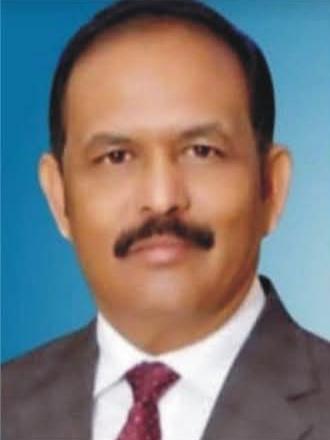
Recently, the Federal Constitutional Court ruled in a case related to the marriage of a Christian girl to a Muslim boy and declared the marriage valid, which has caused great disappointment among Pakistani Christians, who have launched nationwide protests to express their displeasure. Protests and press conferences are being held in small and big cities across the country, but despite this, the Pakistani government has not yet responded, which is a clear indication of the government's lack of interest in the issues of minorities.
In this decision, the responsibility of the administration before the judiciary has not been fulfilled because the cases registered in cases of forced marriage, religious conversion and underage marriage are generally weak in nature, in which only the provisions of kidnapping are included, while the violation of the Child Marriage Act is not made part of the FIR. Due to which kidnappers, matchmakers and facilitators get away with it easily and such incidents continue to occur
The Maria Shahbaz case decision is not the first decision based on religious bias by the Pakistani judiciary. Previously, different judges in different courts have given similar decisions.
Two things are evident in such decisions: first, the religious inclination of the judges, and second, the pressure of religious parties.
I remember well that on July 25, 2025, the Islamabad High Court ordered the Government of Pakistan to form a judicial commission to inquire into 700 pending blasphemy cases to find out how many of them were baseless. After the issuance of this order, Justice Khadim Hussain Soomro was threatened with serious consequences and the security of the High Court had to be increased, after which a petition was filed by five religious parties to cancel this decision. The decision was suspended within a week.
Now we have to fight in accordance with the constitution and law in the streets and courts to protect our rights and honor. We need two legal measures. First, a review petition should be filed against this decision. For this, those NGOs that are earning thousands of millions of dollars from Europe and America in the name of persecution should spend some of it on real responsibility. I would also request Christian advocacy organizations to play their role here
The second important step that we should have taken long ago is that if we had taken this step earlier, this decision of the Federal Constitutional Court based on religious bias would not have happened. We can approach the relevant forum to take action against judges who give decisions based on personal likes and dislikes, religious sentiments, and facts..
The Supreme Judicial Council (SJC) of Pakistan is a constitutional body, established under Article 209, tasked with the accountability of the higher judiciary. It investigates allegations of misconduct, incompetence, or violation of the code of conduct by Supreme Court and High Court judges, and recommends to the President the removal of such judges. There are precedents of disciplinary action against various judges in the past. Pakistan's Supreme Judicial Council (SJC), empowered to investigate misconduct or incompetence of court judges, has a history of targeting judges. Often amidst political controversies. Notable actions include the 2007 reference against Chief Justice Iftikhar Chaudhry, the removal of Justice Shaukat Siddiqui (2018) and the cases against Justice Mazhar Naqvi (2024).
Important historical steps and cases •
Iftikhar Muhammad Chaudhry case (2007): President Musharraf filed a reference against the Chief Justice, which led to a major lawyers' movement and eventual reinstatement by the Supreme Court, highlighting the tension between the SJC and the independence of the judiciary. • Shaukat Aziz Siddiqui (2018): Removed from the Islamabad High Court (IHC) after making a speech alleging ISI interference in judicial matters. Syed Muhammad Mazahir Ali Akbar Naqvi (2024): Resigned, then removed, after the SJC found him guilty of misconduct following allegations of amassing assets beyond his known income. Farrukh Irfan Khan (2019): Resigned from the Lahore High Court after being implicated in the Panama Papers offshore company scandal
Recent developments: In 2024, six IHC judges wrote to the SJC about alleged threats from intelligence agencies. In 2025, the SJC approved an amendment to the code of conduct that bars judges from discussing complaints in the media.
The two most senior judges of the Supreme Court, and the two most senior chief justices of high courts, can initiate inquiries on their own or through a presidential reference. Many high-profile cases have been declared political, sometimes leading to the formal resignation of judges.
Christian lawyers, NGOs, and church members have not approached the Supreme Judicial Council against any judge who has decided all the cases of forced marriage, conversion, and underage marriages in which injustice has been done to Christians. Therefore, the continuation of these decisions could not be stopped. Now is the time to approach the Supreme Judicial Council against the judges who have made such decisions.
In this decision, the responsibility of the administration before the judiciary has not been fulfilled because the cases registered in cases of forced marriage, religious conversion and underage marriage are generally weak in nature, in which only the provisions of kidnapping are included, while the violation of the Child Marriage Act is not made part of the FIR. Due to which kidnappers, matchmakers and facilitators get away with it easily and such incidents continue to occur
The Maria Shahbaz case decision is not the first decision based on religious bias by the Pakistani judiciary. Previously, different judges in different courts have given similar decisions.
Two things are evident in such decisions: first, the religious inclination of the judges, and second, the pressure of religious parties.
I remember well that on July 25, 2025, the Islamabad High Court ordered the Government of Pakistan to form a judicial commission to inquire into 700 pending blasphemy cases to find out how many of them were baseless. After the issuance of this order, Justice Khadim Hussain Soomro was threatened with serious consequences and the security of the High Court had to be increased, after which a petition was filed by five religious parties to cancel this decision. The decision was suspended within a week.
Now we have to fight in accordance with the constitution and law in the streets and courts to protect our rights and honor. We need two legal measures. First, a review petition should be filed against this decision. For this, those NGOs that are earning thousands of millions of dollars from Europe and America in the name of persecution should spend some of it on real responsibility. I would also request Christian advocacy organizations to play their role here
The second important step that we should have taken long ago is that if we had taken this step earlier, this decision of the Federal Constitutional Court based on religious bias would not have happened. We can approach the relevant forum to take action against judges who give decisions based on personal likes and dislikes, religious sentiments, and facts..
The Supreme Judicial Council (SJC) of Pakistan is a constitutional body, established under Article 209, tasked with the accountability of the higher judiciary. It investigates allegations of misconduct, incompetence, or violation of the code of conduct by Supreme Court and High Court judges, and recommends to the President the removal of such judges. There are precedents of disciplinary action against various judges in the past. Pakistan's Supreme Judicial Council (SJC), empowered to investigate misconduct or incompetence of court judges, has a history of targeting judges. Often amidst political controversies. Notable actions include the 2007 reference against Chief Justice Iftikhar Chaudhry, the removal of Justice Shaukat Siddiqui (2018) and the cases against Justice Mazhar Naqvi (2024).
Important historical steps and cases •
Iftikhar Muhammad Chaudhry case (2007): President Musharraf filed a reference against the Chief Justice, which led to a major lawyers' movement and eventual reinstatement by the Supreme Court, highlighting the tension between the SJC and the independence of the judiciary. • Shaukat Aziz Siddiqui (2018): Removed from the Islamabad High Court (IHC) after making a speech alleging ISI interference in judicial matters. Syed Muhammad Mazahir Ali Akbar Naqvi (2024): Resigned, then removed, after the SJC found him guilty of misconduct following allegations of amassing assets beyond his known income. Farrukh Irfan Khan (2019): Resigned from the Lahore High Court after being implicated in the Panama Papers offshore company scandal
Recent developments: In 2024, six IHC judges wrote to the SJC about alleged threats from intelligence agencies. In 2025, the SJC approved an amendment to the code of conduct that bars judges from discussing complaints in the media.
The two most senior judges of the Supreme Court, and the two most senior chief justices of high courts, can initiate inquiries on their own or through a presidential reference. Many high-profile cases have been declared political, sometimes leading to the formal resignation of judges.
Christian lawyers, NGOs, and church members have not approached the Supreme Judicial Council against any judge who has decided all the cases of forced marriage, conversion, and underage marriages in which injustice has been done to Christians. Therefore, the continuation of these decisions could not be stopped. Now is the time to approach the Supreme Judicial Council against the judges who have made such decisions.
You May Also Like

Every year on 26 October, Accession Day marks a historic moment in Jammu and Kashmir’s history. In 1947, Maharaja Hari Singh signed the Instr

The dispute over Jammu and Kashmir remains unresolved nearly eight decades after the events of October 1947. Although the Government of India maint


PCP need your support that we may provide you better services: click on donate


"Trial of Pakistani Christian Nation" By Nazir S Bhatti
On demand of our readers, I have decided to release E-Book version of "Trial of Pakistani Christian Nation" on website of PCP which can also be viewed on website of Pakistan Christian Congress www.pakistanchristiancongress.org . You can read chapter wise by clicking tab on left handside of PDF format of E-Book.