
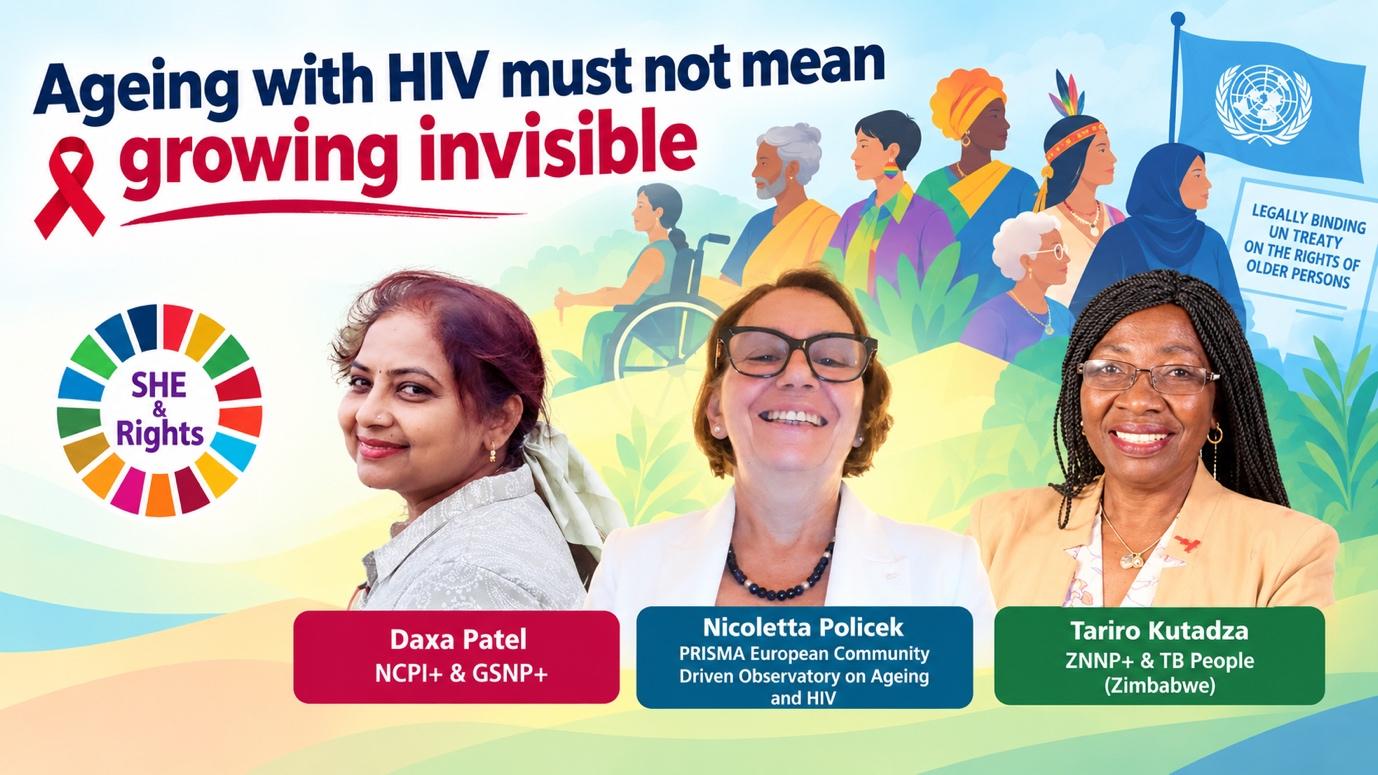
As long-term HIV survivors face stigma, fragmented healthcare and financial insecurity, community leaders call for a legally binding UN treat
Human Rights and The Missions of Mercy. By Jeffrey Imm
On Human Rights Day in December 2025, I addressed the topic of Kindness, Compassion, Mercy, and Love to other people as key values in building a society that effectively respects Universal Human Rights. A community which only values Universal Human Rights as a theoretical or a legal concept, rather than as a human imperative, understands the language of Universal Human Rights, but misses the point - AND the urgency. We choose to defend the equality and dignity of other human beings because they ARE fellow human beings. They are FELLOW human beings. We extend an outstretched hand to them, and not an upraised fist to them, because we strive for a society where compassion and empathy is a core value of respecting fellow human beings. Not just rights in a listing, not just theoretical ideas in a document, but compassion and empathy to others because they are fellow human beings, whether we agree with them or not… performing "missions of mercy" to those struggling in areas of human misery, poverty, loneliness, and oppression.
Merriam-Webster looks at the primary definition of "mercy" as one associated with authorities and the legal community. That is certainly a part of the mercy that we advocate for others, but it is the "third" definition that is the baseline for missions of mercy, which is the most active meaning of "mercy" within the scope of human rights and society: "compassionate treatment of those in distress," and also a nuanced understanding of the main definition of "compassion…[towards one] by one subject to the power of another."
But what is "power" within human society? Because there is the litigious view of power, and there is the compassionate view of power, and understanding this difference is the core message for long term human rights activism with our hearts, not only with our minds. Are only "the authorities" ones with "power"? The courts? The wealthy? The majority race or religion? The patriarchy? Etc.?
Are these the only ones who have agency of "power"? If we choose to believe this, what is the long-term hope to be responsible for equality and liberty for each other in our societies? If we choose to believe that only some can be "powerful," and God Forbid, the rest of us must choose an endless existence as "powerless" "victims"? And we never have the agency to also exert "power" to help others, no matter how much in need that we may individually be?
Our social need to reach for the power of compassion to help others in need is the glowing star of "mercy" that can redefine our lives. Every second of every minute of every day - there are always those struggling with the need to alleviate misery, poverty, loneliness, and oppression in their lives. Misery does not discriminate - it can affect any of us. We work to make changes in our lives to alleviate misery, but honest human beings know that somewhere in our lives we need the mercy of others as well to help us on our journey.
Mercy serves to acknowledge the humanity of individuals, interdependent with the code of universal human rights, both rooted in human dignity. We do not merely campaign for a list of words and theoretical legalities in universal human rights; we campaign with our hearts for all fellow human beings who need mercy in the practical daily aspect of their lives.
We must challenge the concept that "power" is the exclusive domain of others, and not for us as individuals. We need to work to teach our generations that we ALL own "power" and that we ALL own the opportunity to offer "mercy" to others. We must refuse to allow any definition of ourselves as human beings on our shared Earth -- where it is believed that we have no agency to "power" -- and that we have no associated responsibility and imperative to offer mercy to others in need.
Mercy is not simply acts of charity and compassion — it means transforming unjust systems. Our mercy in action in service to the human community is not a thrust of an angry fist in the sky; it is the outstretched hand to others to bring change to their lives through our shared universal human rights, promoting such rights, and encouraging others to find change by recognizing those rights as well.
We lead acts of mercy because we DO have power. Not just SOME of us. Not just some organizations. Not just some "authorities" or those we consider wealthy.
We ARE all powerful. Let no person ever tell you otherwise. Refuse their characterization of you as anything less than a POWERFUL human being.
We bring the drum beat of power with the beat of our hearts. We bring the winds of power and change with every breath we take. We march to the parade of mercy with every step we take. We sing to the triumph of power over persecution with every free word we speak in our societies. We do not need others to tell us whether we have power or not. Our human lives demonstrate that EVERYONE can be powerful and offer missions of mercy to others.
So as everyone is powerful on this shared Earth - all of us are able and responsible to defend the universal human rights of others and to perform the works of mercy. We can offer mercy everyday: caring for our vulnerable, our children, our seniors; promoting hope-offering inspirational messages for others; caring for those persecuted, lonely, sick, and sad. We have the power to uplift their lives and our lives with our power of mercy. Beyond individual acts, mercy is a tool for long-term social change, fostering values of welfare and equality. It is fundamental in our shared human rights advocacy.
In the Universal Declaration of Human Rights (UDHR), inherent human dignity stands with the concept for the code for universal human rights: "recognition of the inherent dignity and of the equal and inalienable rights of all members of the human family is the foundation of
freedom, justice and peace in the world." We do not advocate merely for words or ideas. We advocate for our fellow human beings and their inherent dignity.
Our advocacy for universal human rights supports missions of mercy for our shared society and the dignity of our fellow human beings. It is a mercy that all of us need at some point in our lives. We bring our human power and agency to regularly work in the betterment for all of human society, and in respect of the need of mercy for our fellow human beings.
I am writing this on the day, 58 years later, that Reverend Dr. Martin Luther King, Jr. was martyred. Two months before his murder, King sought to teach a lesson on the "Drum Major Instinct" and the desire of some to be "first." King imagined his own funeral. He wanted to be remembered for having to try "to give his life serving others." He urged his listeners to try to remember his attempts to help those in misery, the hungry, the poor, the imprisoned, and the hopeless. King said, "Yes, if you want to say that I was a drum major, say that I was a drum major for justice… Say that I was a drum major for peace. I was a drum major for righteousness. And all of the other shallow things will not matter."
If I am ever remembered, I hope it is that I sought to encourage my fellow human beings to remember that THEY have power, to remember my efforts to promote missions of mercy, and to remember urging our fellow human beings to offer actions of mercy as part of human rights advocacy.
Merriam-Webster looks at the primary definition of "mercy" as one associated with authorities and the legal community. That is certainly a part of the mercy that we advocate for others, but it is the "third" definition that is the baseline for missions of mercy, which is the most active meaning of "mercy" within the scope of human rights and society: "compassionate treatment of those in distress," and also a nuanced understanding of the main definition of "compassion…[towards one] by one subject to the power of another."
But what is "power" within human society? Because there is the litigious view of power, and there is the compassionate view of power, and understanding this difference is the core message for long term human rights activism with our hearts, not only with our minds. Are only "the authorities" ones with "power"? The courts? The wealthy? The majority race or religion? The patriarchy? Etc.?
Are these the only ones who have agency of "power"? If we choose to believe this, what is the long-term hope to be responsible for equality and liberty for each other in our societies? If we choose to believe that only some can be "powerful," and God Forbid, the rest of us must choose an endless existence as "powerless" "victims"? And we never have the agency to also exert "power" to help others, no matter how much in need that we may individually be?
Our social need to reach for the power of compassion to help others in need is the glowing star of "mercy" that can redefine our lives. Every second of every minute of every day - there are always those struggling with the need to alleviate misery, poverty, loneliness, and oppression in their lives. Misery does not discriminate - it can affect any of us. We work to make changes in our lives to alleviate misery, but honest human beings know that somewhere in our lives we need the mercy of others as well to help us on our journey.
Mercy serves to acknowledge the humanity of individuals, interdependent with the code of universal human rights, both rooted in human dignity. We do not merely campaign for a list of words and theoretical legalities in universal human rights; we campaign with our hearts for all fellow human beings who need mercy in the practical daily aspect of their lives.
We must challenge the concept that "power" is the exclusive domain of others, and not for us as individuals. We need to work to teach our generations that we ALL own "power" and that we ALL own the opportunity to offer "mercy" to others. We must refuse to allow any definition of ourselves as human beings on our shared Earth -- where it is believed that we have no agency to "power" -- and that we have no associated responsibility and imperative to offer mercy to others in need.
Mercy is not simply acts of charity and compassion — it means transforming unjust systems. Our mercy in action in service to the human community is not a thrust of an angry fist in the sky; it is the outstretched hand to others to bring change to their lives through our shared universal human rights, promoting such rights, and encouraging others to find change by recognizing those rights as well.
We lead acts of mercy because we DO have power. Not just SOME of us. Not just some organizations. Not just some "authorities" or those we consider wealthy.
We ARE all powerful. Let no person ever tell you otherwise. Refuse their characterization of you as anything less than a POWERFUL human being.
We bring the drum beat of power with the beat of our hearts. We bring the winds of power and change with every breath we take. We march to the parade of mercy with every step we take. We sing to the triumph of power over persecution with every free word we speak in our societies. We do not need others to tell us whether we have power or not. Our human lives demonstrate that EVERYONE can be powerful and offer missions of mercy to others.
So as everyone is powerful on this shared Earth - all of us are able and responsible to defend the universal human rights of others and to perform the works of mercy. We can offer mercy everyday: caring for our vulnerable, our children, our seniors; promoting hope-offering inspirational messages for others; caring for those persecuted, lonely, sick, and sad. We have the power to uplift their lives and our lives with our power of mercy. Beyond individual acts, mercy is a tool for long-term social change, fostering values of welfare and equality. It is fundamental in our shared human rights advocacy.
In the Universal Declaration of Human Rights (UDHR), inherent human dignity stands with the concept for the code for universal human rights: "recognition of the inherent dignity and of the equal and inalienable rights of all members of the human family is the foundation of
freedom, justice and peace in the world." We do not advocate merely for words or ideas. We advocate for our fellow human beings and their inherent dignity.
Our advocacy for universal human rights supports missions of mercy for our shared society and the dignity of our fellow human beings. It is a mercy that all of us need at some point in our lives. We bring our human power and agency to regularly work in the betterment for all of human society, and in respect of the need of mercy for our fellow human beings.
I am writing this on the day, 58 years later, that Reverend Dr. Martin Luther King, Jr. was martyred. Two months before his murder, King sought to teach a lesson on the "Drum Major Instinct" and the desire of some to be "first." King imagined his own funeral. He wanted to be remembered for having to try "to give his life serving others." He urged his listeners to try to remember his attempts to help those in misery, the hungry, the poor, the imprisoned, and the hopeless. King said, "Yes, if you want to say that I was a drum major, say that I was a drum major for justice… Say that I was a drum major for peace. I was a drum major for righteousness. And all of the other shallow things will not matter."
If I am ever remembered, I hope it is that I sought to encourage my fellow human beings to remember that THEY have power, to remember my efforts to promote missions of mercy, and to remember urging our fellow human beings to offer actions of mercy as part of human rights advocacy.
You May Also Like

Every year on 26 October, Accession Day marks a historic moment in Jammu and Kashmir’s history. In 1947, Maharaja Hari Singh signed the Instr
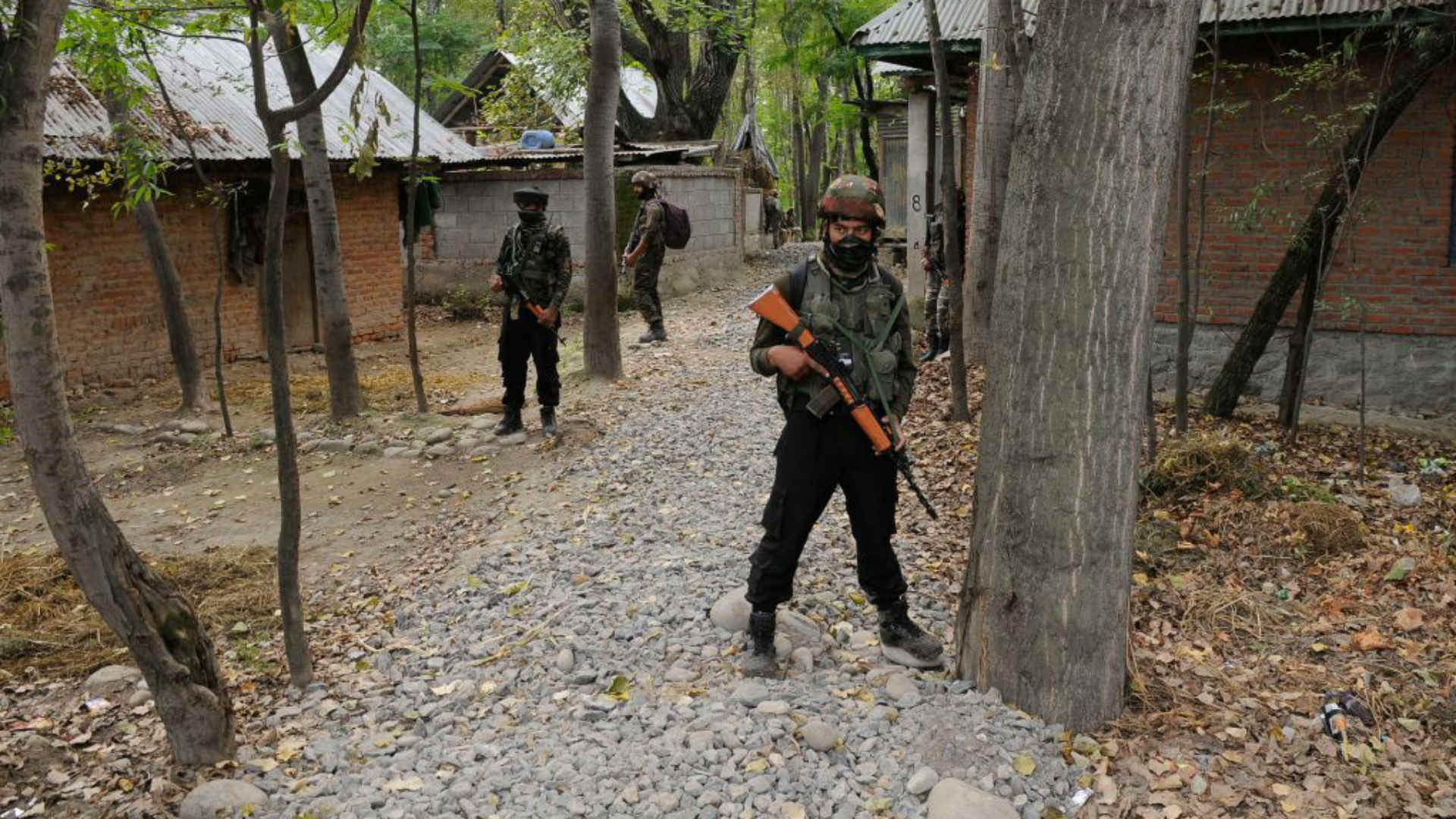
The dispute over Jammu and Kashmir remains unresolved nearly eight decades after the events of October 1947. Although the Government of India maint


PCP need your support that we may provide you better services: click on donate


"Trial of Pakistani Christian Nation" By Nazir S Bhatti
On demand of our readers, I have decided to release E-Book version of "Trial of Pakistani Christian Nation" on website of PCP which can also be viewed on website of Pakistan Christian Congress www.pakistanchristiancongress.org . You can read chapter wise by clicking tab on left handside of PDF format of E-Book.