
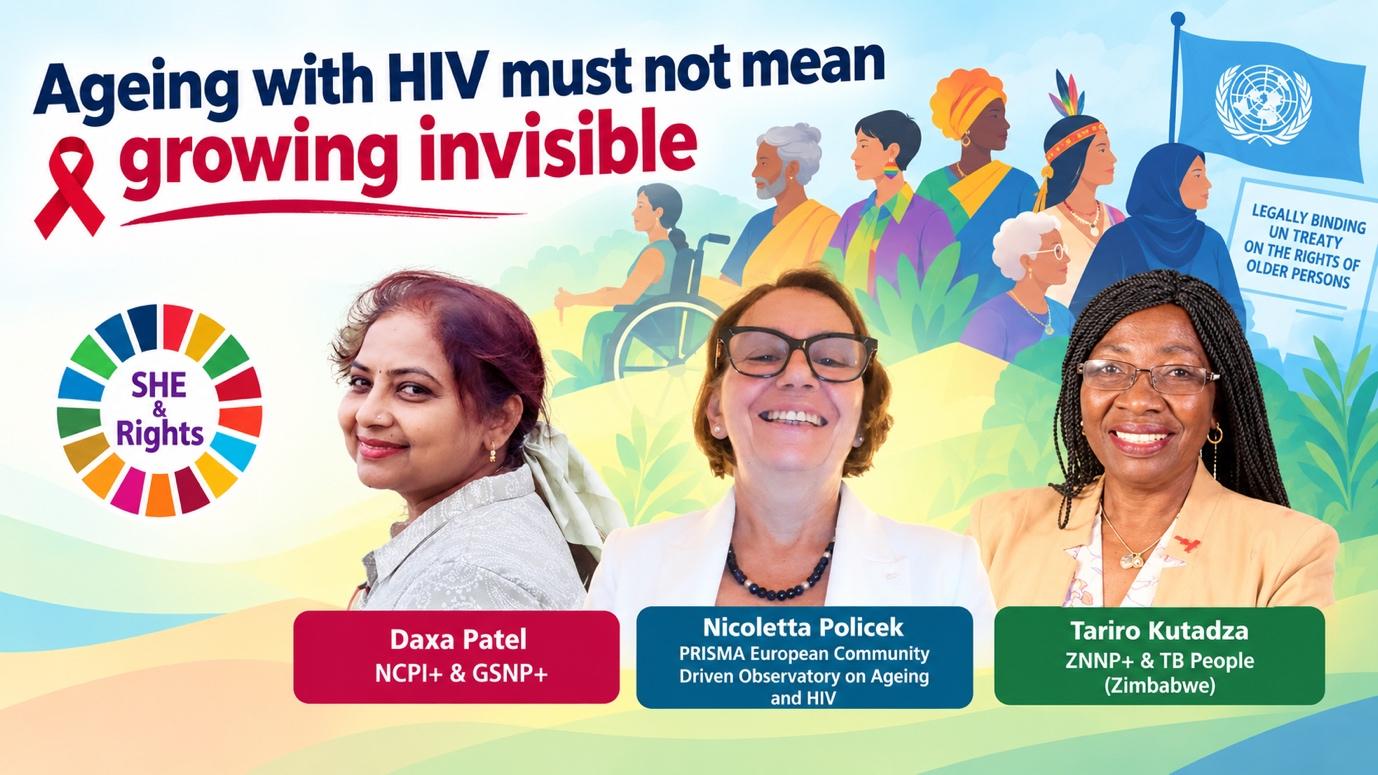
As long-term HIV survivors face stigma, fragmented healthcare and financial insecurity, community leaders call for a legally binding UN treat
A Cry for Justice: The Case of Maira Shahbaz and the Ongoing Suffering of Minority Girls in Pakistan. By Bishop Dr. Farhad Shahzad Bhatti
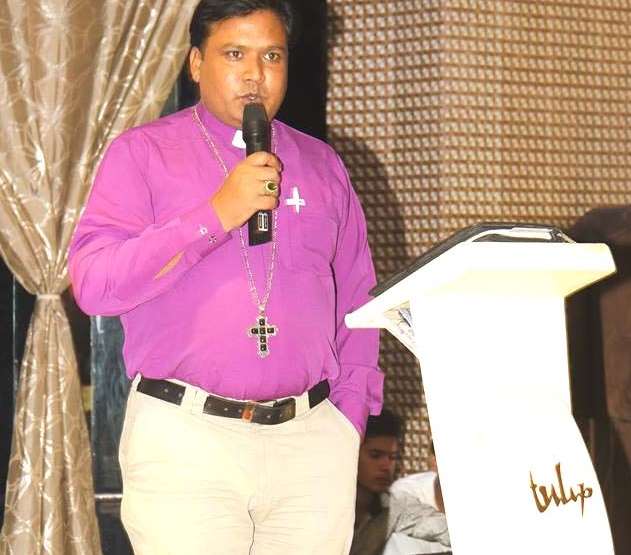
The recent case involving Maira Shahbaz, a young Christian girl reportedly subjected to conversion and marriage at a very early age, has raised serious concerns among minority communities and human rights observers. This situation calls for careful reflection, not only within Pakistan but also among international human rights institutions.
Pakistan stands today at a moral crossroads. The recent developments in this case have once again shaken the conscience of all those who believe in justice, human dignity, and the rule of law. This is not just one case—it reflects a growing pattern that continues to wound Christian and other minority communities across Pakistan.
A Child or a “Willing Bride”?
According to reports, Maria Shahbaz, a minor girl aged 13, was taken from her home and later presented in court where she allegedly stated that she had converted to Islam and married of her own free will. Based on this statement, the court upheld the marriage and denied her return to her parents. But the critical question remains:
Can a child truly give consent under fear, pressure, or manipulation?
When a minor stands before a courtroom, often surrounded by those who hold influence over her, can her words be considered completely free?
A Concerning Development
For many years, it has often been suggested that incidents of extremism against minorities are carried out by uneducated or marginalized elements of society. However, cases such as this highlight a more complex and troubling reality—where legal and institutional decisions themselves come under scrutiny.
This is not an accusation, but a matter of concern. When a minor is involved in matters of conversion and marriage, it raises serious questions regarding consent, protection, and due process.
The Silence of Protection Laws
Pakistan has laws intended to protect children from early marriages and abuse. Yet, in cases like this, these protections appear to weaken when religious factors are involved.
The acceptance of conversion and marriage documents without thorough investigation raises serious concerns:
Were age records properly verified?
Was the environment safe for the girl to speak freely?
Were psychological pressures considered?
If these questions remain unanswered, then justice itself becomes uncertain.
A Call for Responsible Attention
The case presents a serious moment for:
National reflection within Pakistan
Careful observation by international human rights bodies such as the United Nations and UNHCR, as well as European and other global institutions
It is important that such cases are examined with:
Transparency
Sensitivity
Full respect for the rights of minors
The global community has long stood for the protection of vulnerable populations, and this moment calls for renewed commitment.
Concerns of Minority Communities
Among Christian and other minority communities, there is a growing sense of fear and uncertainty. Families are increasingly concerned about the safety and future of their children, especially young girls.
This concern is not rooted in division, but in a desire for:
Equal protection under the law
Assurance of safety
Respect for identity and faith
A Cry of Faith Amid Fear
After careful research and personal engagement with numerous cases involving persecuted Christian families, both nationally and internationally, it becomes evident that many among the poor and marginalized continue to live not by security, but by faith alone. In the absence
of protection and justice, they hold onto a deep spiritual hope that there is a Messiah who sees their suffering and will one day safeguard their children from harm.
This quiet but powerful faith sustains them through fear, uncertainty, and repeated trials. It reminds us that while human systems may falter, the longing for justice, mercy, and divine protection remains alive in the hearts of the vulnerable.
A Question of Justice and Protection
No society desires laws or practices that may:
Support forced actions
Overlook the vulnerability of minors
Create fear among its own citizens
The strength of a nation is measured by how it protects its most vulnerable.
Pakistan has a rich history in which minorities have contributed faithfully to its development. The Christian community, in particular, has served in education, healthcare, and social welfare, remaining committed and patriotic since the creation of the country.
A Call for Balance and Reform
This moment calls for:
Strengthening child protection mechanisms
Ensuring that consent is genuine and verifiable
Reviewing legal processes in sensitive cases involving minors
Building trust among all communities
Such steps can help restore confidence and uphold the dignity of every citizen.
A Respectful Appeal
This article is written not in anger, but in deep concern and hope. It is an appeal for:
Justice that is fair and visible
Laws that protect rather than create fear
A society where all citizens feel secure
A Pattern That Cannot Be Ignored
The case of Maira Shahbaz is not isolated. Year after year, many cases are reported involving young Christian and Hindu girls who:
Disappear from their homes
Reappear as “converted”
Are declared legally married
This cycle has created deep fear among minority families, leaving parents in constant anxiety.
A Cry from the Margins
As a servant of Christ and a voice for persecuted communities, I have witnessed firsthand the pain and helplessness of such families. Behind every case is a mother who cannot sleep, a father who feels powerless, and a child whose voice may never truly be heard.
This is not only a legal issue. it is a humanitarian crisis.
Faith Should Never Be Forced
True faith is a matter of the heart. It cannot be imposed through fear, coercion, or vulnerability. Any conversion under questionable circumstances must be carefully examined.
Religion should be a source of peace, not a tool for exploitation.
A Renewed Call for Justice
It is time for:
Transparent investigations in such cases
Strict enforcement of child protection laws
Independent verification of age and consent
Strong protection mechanisms for vulnerable minority girls
Courts must ensure that justice is not only done—but clearly seen to be done.
Hope Beyond the Darkness
Despite the pain, we continue to believe in justice. We pray for a Pakistan where every child regardless of religion can live without fear.
As it is written:
"Speak up for those who cannot speak for themselves, for the rights of all who are destitute." (Proverbs 31:8)
The case of Maira Shahbaz should guide us toward reflection and reform. Let this not be another forgotten story—but a turning point.
A nation grows stronger when it listens to the concerns of its people—especially the most vulnerable.
Justice delayed is painful.
Justice denied is dangerous.
But justice upheld—without fear or favor—can restore hope.
Pakistan stands today at a moral crossroads. The recent developments in this case have once again shaken the conscience of all those who believe in justice, human dignity, and the rule of law. This is not just one case—it reflects a growing pattern that continues to wound Christian and other minority communities across Pakistan.
A Child or a “Willing Bride”?
According to reports, Maria Shahbaz, a minor girl aged 13, was taken from her home and later presented in court where she allegedly stated that she had converted to Islam and married of her own free will. Based on this statement, the court upheld the marriage and denied her return to her parents. But the critical question remains:
Can a child truly give consent under fear, pressure, or manipulation?
When a minor stands before a courtroom, often surrounded by those who hold influence over her, can her words be considered completely free?
A Concerning Development
For many years, it has often been suggested that incidents of extremism against minorities are carried out by uneducated or marginalized elements of society. However, cases such as this highlight a more complex and troubling reality—where legal and institutional decisions themselves come under scrutiny.
This is not an accusation, but a matter of concern. When a minor is involved in matters of conversion and marriage, it raises serious questions regarding consent, protection, and due process.
The Silence of Protection Laws
Pakistan has laws intended to protect children from early marriages and abuse. Yet, in cases like this, these protections appear to weaken when religious factors are involved.
The acceptance of conversion and marriage documents without thorough investigation raises serious concerns:
Were age records properly verified?
Was the environment safe for the girl to speak freely?
Were psychological pressures considered?
If these questions remain unanswered, then justice itself becomes uncertain.
A Call for Responsible Attention
The case presents a serious moment for:
National reflection within Pakistan
Careful observation by international human rights bodies such as the United Nations and UNHCR, as well as European and other global institutions
It is important that such cases are examined with:
Transparency
Sensitivity
Full respect for the rights of minors
The global community has long stood for the protection of vulnerable populations, and this moment calls for renewed commitment.
Concerns of Minority Communities
Among Christian and other minority communities, there is a growing sense of fear and uncertainty. Families are increasingly concerned about the safety and future of their children, especially young girls.
This concern is not rooted in division, but in a desire for:
Equal protection under the law
Assurance of safety
Respect for identity and faith
A Cry of Faith Amid Fear
After careful research and personal engagement with numerous cases involving persecuted Christian families, both nationally and internationally, it becomes evident that many among the poor and marginalized continue to live not by security, but by faith alone. In the absence
of protection and justice, they hold onto a deep spiritual hope that there is a Messiah who sees their suffering and will one day safeguard their children from harm.
This quiet but powerful faith sustains them through fear, uncertainty, and repeated trials. It reminds us that while human systems may falter, the longing for justice, mercy, and divine protection remains alive in the hearts of the vulnerable.
A Question of Justice and Protection
No society desires laws or practices that may:
Support forced actions
Overlook the vulnerability of minors
Create fear among its own citizens
The strength of a nation is measured by how it protects its most vulnerable.
Pakistan has a rich history in which minorities have contributed faithfully to its development. The Christian community, in particular, has served in education, healthcare, and social welfare, remaining committed and patriotic since the creation of the country.
A Call for Balance and Reform
This moment calls for:
Strengthening child protection mechanisms
Ensuring that consent is genuine and verifiable
Reviewing legal processes in sensitive cases involving minors
Building trust among all communities
Such steps can help restore confidence and uphold the dignity of every citizen.
A Respectful Appeal
This article is written not in anger, but in deep concern and hope. It is an appeal for:
Justice that is fair and visible
Laws that protect rather than create fear
A society where all citizens feel secure
A Pattern That Cannot Be Ignored
The case of Maira Shahbaz is not isolated. Year after year, many cases are reported involving young Christian and Hindu girls who:
Disappear from their homes
Reappear as “converted”
Are declared legally married
This cycle has created deep fear among minority families, leaving parents in constant anxiety.
A Cry from the Margins
As a servant of Christ and a voice for persecuted communities, I have witnessed firsthand the pain and helplessness of such families. Behind every case is a mother who cannot sleep, a father who feels powerless, and a child whose voice may never truly be heard.
This is not only a legal issue. it is a humanitarian crisis.
Faith Should Never Be Forced
True faith is a matter of the heart. It cannot be imposed through fear, coercion, or vulnerability. Any conversion under questionable circumstances must be carefully examined.
Religion should be a source of peace, not a tool for exploitation.
A Renewed Call for Justice
It is time for:
Transparent investigations in such cases
Strict enforcement of child protection laws
Independent verification of age and consent
Strong protection mechanisms for vulnerable minority girls
Courts must ensure that justice is not only done—but clearly seen to be done.
Hope Beyond the Darkness
Despite the pain, we continue to believe in justice. We pray for a Pakistan where every child regardless of religion can live without fear.
As it is written:
"Speak up for those who cannot speak for themselves, for the rights of all who are destitute." (Proverbs 31:8)
The case of Maira Shahbaz should guide us toward reflection and reform. Let this not be another forgotten story—but a turning point.
A nation grows stronger when it listens to the concerns of its people—especially the most vulnerable.
Justice delayed is painful.
Justice denied is dangerous.
But justice upheld—without fear or favor—can restore hope.
You May Also Like

Every year on 26 October, Accession Day marks a historic moment in Jammu and Kashmir’s history. In 1947, Maharaja Hari Singh signed the Instr
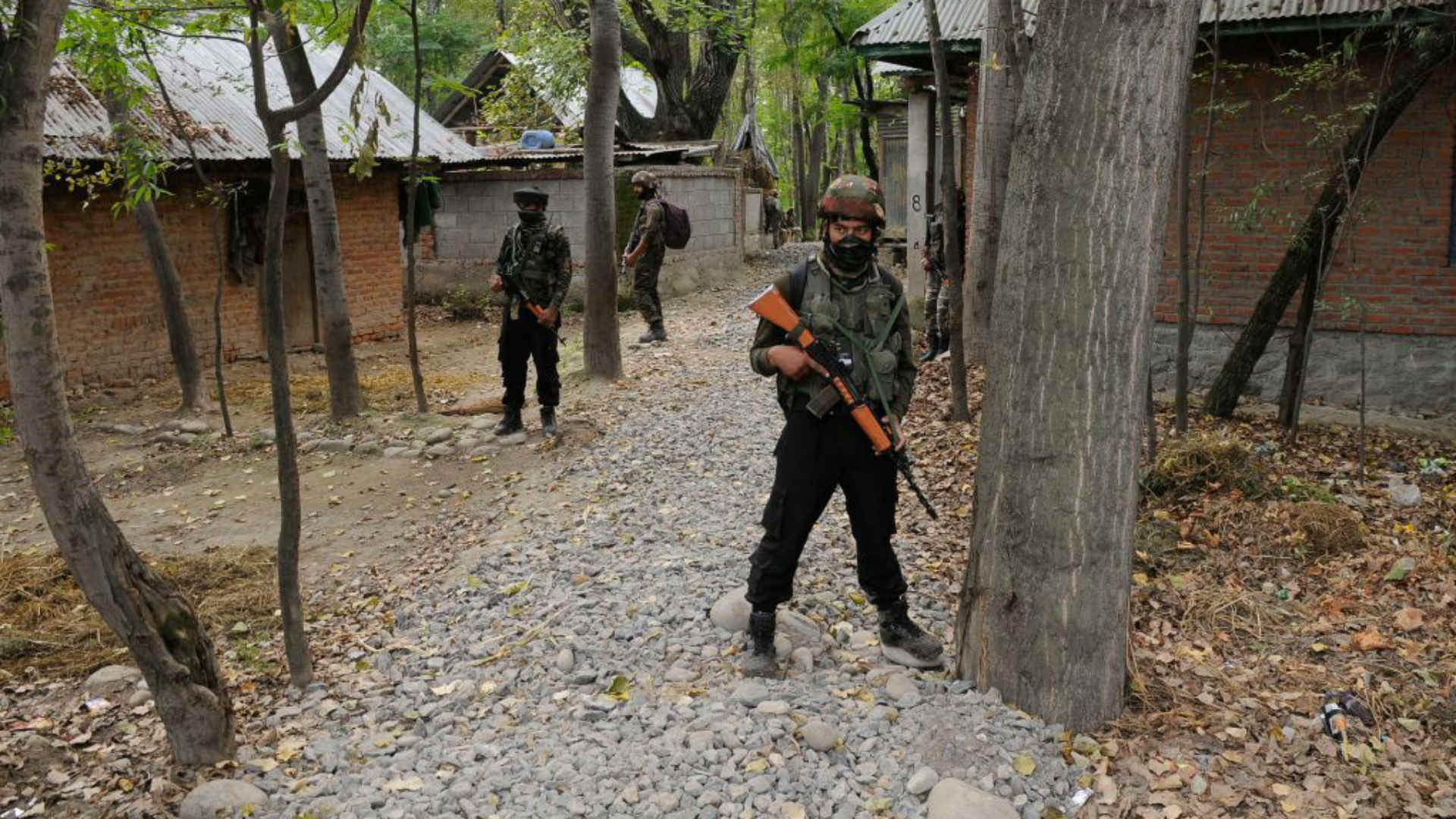
The dispute over Jammu and Kashmir remains unresolved nearly eight decades after the events of October 1947. Although the Government of India maint


PCP need your support that we may provide you better services: click on donate


"Trial of Pakistani Christian Nation" By Nazir S Bhatti
On demand of our readers, I have decided to release E-Book version of "Trial of Pakistani Christian Nation" on website of PCP which can also be viewed on website of Pakistan Christian Congress www.pakistanchristiancongress.org . You can read chapter wise by clicking tab on left handside of PDF format of E-Book.