
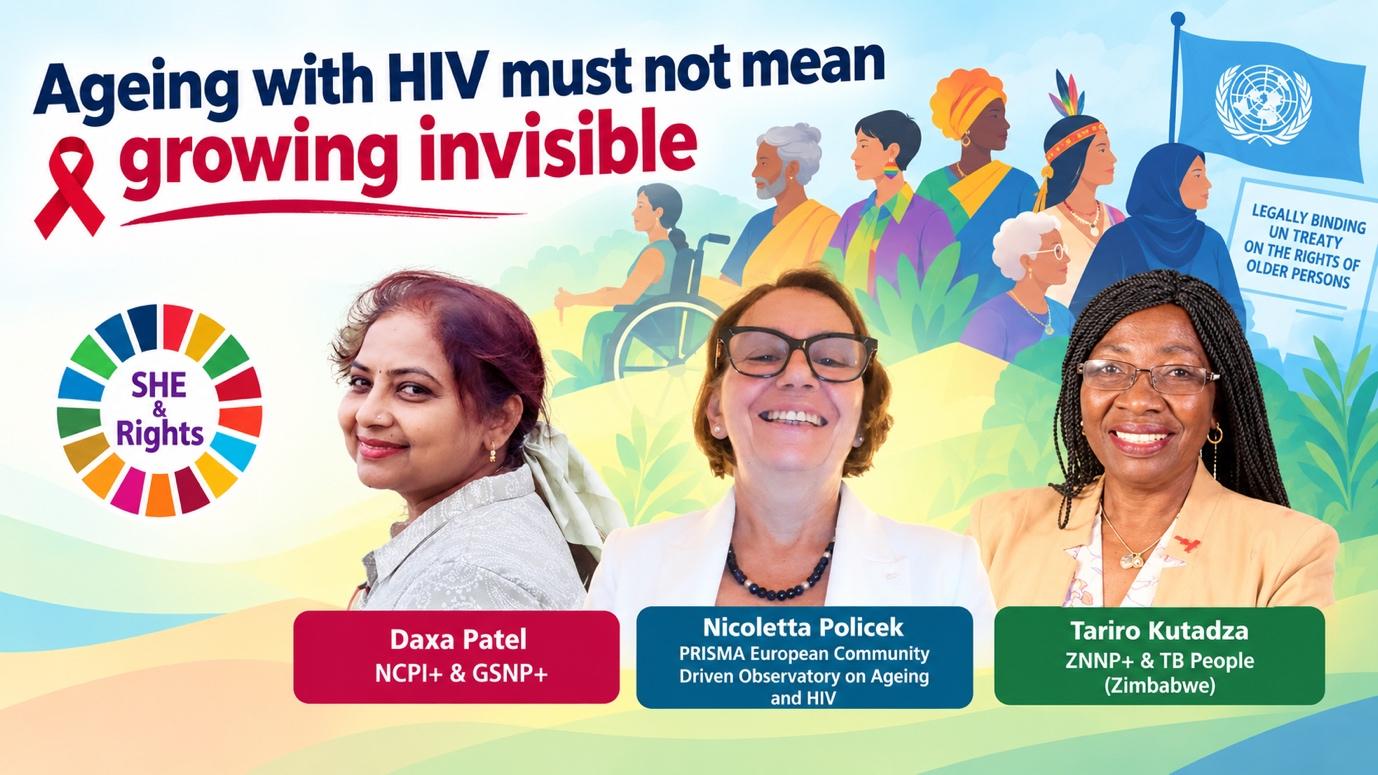
As long-term HIV survivors face stigma, fragmented healthcare and financial insecurity, community leaders call for a legally binding UN treat
Compulsory Islamic Education and Non-Muslim Students in Pakistan. By Dr. Emanuel Adil Ghouri
Education is the fundamental right of every child and it is the responsibility of the state to provide this right to him. Unfortunately, due to extreme poverty and other socio-economic reasons, a large number of Pakistani Christian children are deprived of this fundamental right. According to statistics, the school attendance rate of Christian children is only 4 percent, which is a very worrying situation. One of the main reasons for the lack of interest in education among Christian children is the compulsory Islamic education for them. Lack of knowledge of Arabic affects the overall academic record of Christian children as they either fail in this subject or do not get good marks, which discourages them. Which reinforces the dropout rate. When we study Article 22 of the current Constitution of Pakistan, 1973, it states, "No person attending an educational institution shall be obliged to pursue religious education, participate in religious ceremonies or follow any religious sect other than his own." The purpose of this article is to guarantee freedom of religion or belief. Unfortunately, for the past 53 years, in clear violation of this article of the Constitution, non-Muslim students, including Hindus, Sikhs, Christians and others, have been given compulsory Islamic education in public and private educational institutions. Even missionary schools are not exempt from this restriction; they also appoint Muslim teachers to impart Islamic teachings. For the past few years, the Catholic Church has been urging the government to provide religious education for non-Muslim students in accordance with their faith instead of Islamic studies. The 36 minority members in the national and provincial assemblies have remained completely silent on this serious issue, although the government of Pakistan has made progress in this regard on the continuous insistence of Christian nationalist parties and the recommendations of the National Commission for Human Rights.
In 2020, the Pakistan Tehreek-e-Insaf (PTI) government announced plans to introduce alternative religious textbooks covering seven minority religions, which were not completed.
The government has decided that the study of Islam is no longer compulsory for non-Muslim students in Pakistan. In a notification dated January 22, 2024, the Federal Ministry of Education and Professional Training approved a new curriculum, under which the study of Islam is not compulsory for Christian, Baha'i, Buddhist, Hindu, Sikh and Zoroastrian students. The new curriculum 2023 will be introduced from the next academic year 2024-2025 for grades 1 to 12
At the time you are reading this article, the academic year 2024-2025 has ended, while the academic year 2026 has begun, but the books of the curriculum promised by the government for non-Muslim students are not available in the market. The Punjab government provides textbooks free of cost to all students of all government schools, for which a demand list is given to the District Education Officer 15 days before the start of new classes, according to the number of students. This year, the demand list sent by the schools to the said office did not include the textbooks recommended for minority students because the department had not issued any such instructions to the schools.
Therefore, as usual, this year too, non-Muslim students will be required to study Islamic education. Therefore, as usual, this year too, non-Muslim students will be required to study Islamic education. The National Curriculum Council had approved the alternative subject curriculum of Islamic Studies for non-Muslim students in 2022. The National Curriculum Council (NCC) authorized the National Book Foundation (NBF) to publish books from grades one to five (and six to eight thereafter) after issuing No Objection Certificates (NOCs). Unfortunately, the transformation process that began in 2020 could not be completed by 2026, due to the negligence and malfeasance of officers of the relevant institutions. Another point worth noting is that even if non-Muslim students are allowed to study ethics instead of Islamic studies, it will not make a difference because textbooks for other subjects, including Urdu, English, and Pakistan Studies, also contain a lot of content on Islamic topics. In this regard, the research work of a social organization, Center for Social Justice CSJ, can be seen in detail. The subjects with the highest prevalence of such content were Pakistan Studies (15%), followed by History (4%) and Urdu (0.66%). Social studies, history and Pakistan Studies textbooks often present religious groups in a one-sided manner, with one portrayed as the victim and the other as the oppressor which limits students' understanding of complex historical facts
The highest percentage of religious content was found in textbooks from Khyber Pakhtunkhwa (39.6%) and Punjab (39.4%), followed by National Book Foundation (29.8%), Balochistan (25.9%) and Sindh (18.7%). The subjects with the highest concentration of religious content were Pakistan Studies (58%), followed by Urdu (38%), Social Studies (33.1%), History (26.8%), English (24.2%) and General Knowledge (12.3%).
In view of the above situation, the responsibility of Christian educational institutions increases further. There is a need for them to ensure the admission of Christian children and make appropriate arrangements for religious education for them.
Similarly, churches and social organizations should organize "Bible Schools" for children and youth so that they can be exposed to their religious beliefs. Parents should also fulfill their basic responsibility of sending their children to school.
In 2020, the Pakistan Tehreek-e-Insaf (PTI) government announced plans to introduce alternative religious textbooks covering seven minority religions, which were not completed.
The government has decided that the study of Islam is no longer compulsory for non-Muslim students in Pakistan. In a notification dated January 22, 2024, the Federal Ministry of Education and Professional Training approved a new curriculum, under which the study of Islam is not compulsory for Christian, Baha'i, Buddhist, Hindu, Sikh and Zoroastrian students. The new curriculum 2023 will be introduced from the next academic year 2024-2025 for grades 1 to 12
At the time you are reading this article, the academic year 2024-2025 has ended, while the academic year 2026 has begun, but the books of the curriculum promised by the government for non-Muslim students are not available in the market. The Punjab government provides textbooks free of cost to all students of all government schools, for which a demand list is given to the District Education Officer 15 days before the start of new classes, according to the number of students. This year, the demand list sent by the schools to the said office did not include the textbooks recommended for minority students because the department had not issued any such instructions to the schools.
Therefore, as usual, this year too, non-Muslim students will be required to study Islamic education. Therefore, as usual, this year too, non-Muslim students will be required to study Islamic education. The National Curriculum Council had approved the alternative subject curriculum of Islamic Studies for non-Muslim students in 2022. The National Curriculum Council (NCC) authorized the National Book Foundation (NBF) to publish books from grades one to five (and six to eight thereafter) after issuing No Objection Certificates (NOCs). Unfortunately, the transformation process that began in 2020 could not be completed by 2026, due to the negligence and malfeasance of officers of the relevant institutions. Another point worth noting is that even if non-Muslim students are allowed to study ethics instead of Islamic studies, it will not make a difference because textbooks for other subjects, including Urdu, English, and Pakistan Studies, also contain a lot of content on Islamic topics. In this regard, the research work of a social organization, Center for Social Justice CSJ, can be seen in detail. The subjects with the highest prevalence of such content were Pakistan Studies (15%), followed by History (4%) and Urdu (0.66%). Social studies, history and Pakistan Studies textbooks often present religious groups in a one-sided manner, with one portrayed as the victim and the other as the oppressor which limits students' understanding of complex historical facts
The highest percentage of religious content was found in textbooks from Khyber Pakhtunkhwa (39.6%) and Punjab (39.4%), followed by National Book Foundation (29.8%), Balochistan (25.9%) and Sindh (18.7%). The subjects with the highest concentration of religious content were Pakistan Studies (58%), followed by Urdu (38%), Social Studies (33.1%), History (26.8%), English (24.2%) and General Knowledge (12.3%).
In view of the above situation, the responsibility of Christian educational institutions increases further. There is a need for them to ensure the admission of Christian children and make appropriate arrangements for religious education for them.
Similarly, churches and social organizations should organize "Bible Schools" for children and youth so that they can be exposed to their religious beliefs. Parents should also fulfill their basic responsibility of sending their children to school.
You May Also Like

Every year on 26 October, Accession Day marks a historic moment in Jammu and Kashmir’s history. In 1947, Maharaja Hari Singh signed the Instr
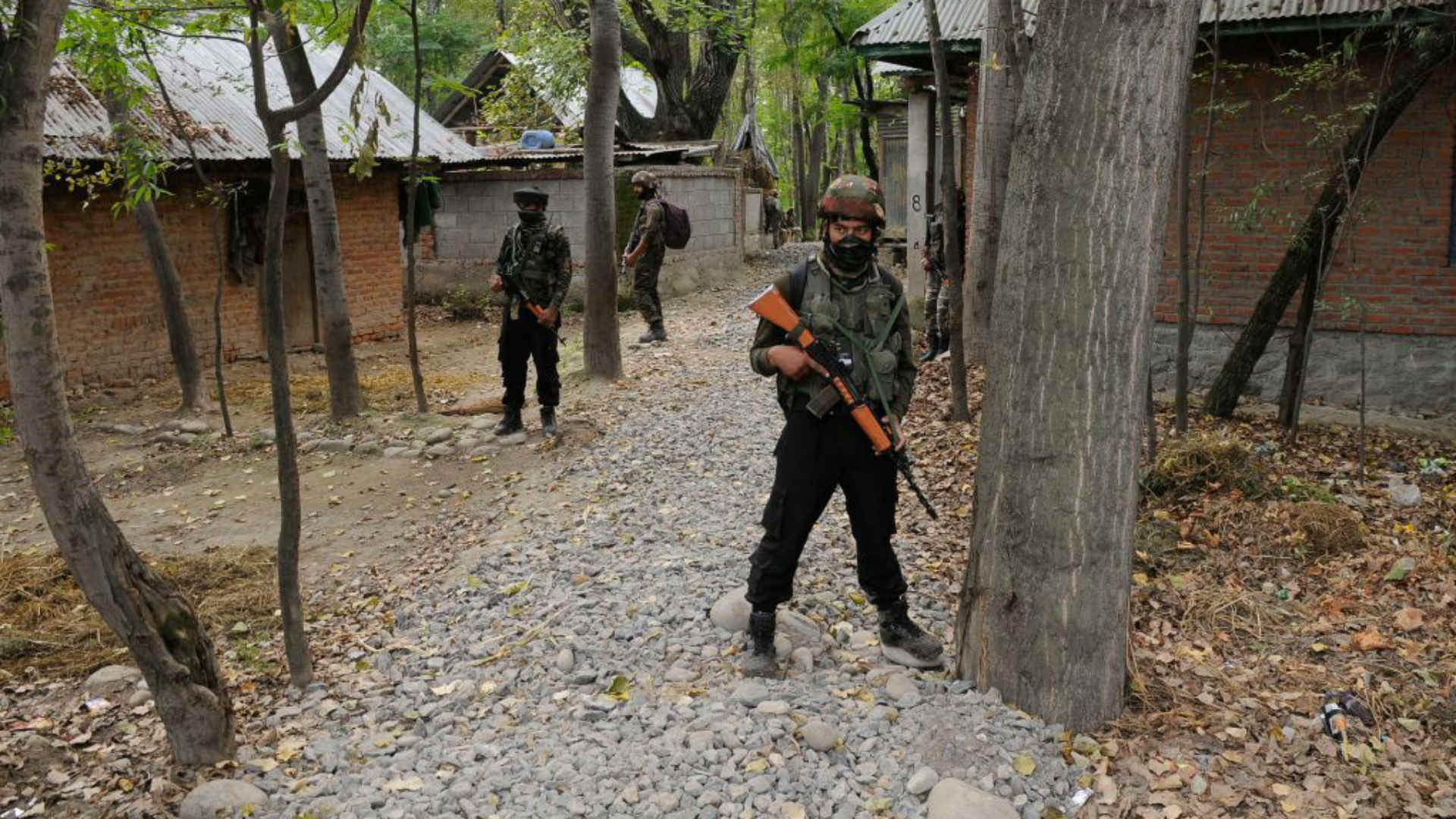
The dispute over Jammu and Kashmir remains unresolved nearly eight decades after the events of October 1947. Although the Government of India maint


PCP need your support that we may provide you better services: click on donate


"Trial of Pakistani Christian Nation" By Nazir S Bhatti
On demand of our readers, I have decided to release E-Book version of "Trial of Pakistani Christian Nation" on website of PCP which can also be viewed on website of Pakistan Christian Congress www.pakistanchristiancongress.org . You can read chapter wise by clicking tab on left handside of PDF format of E-Book.