
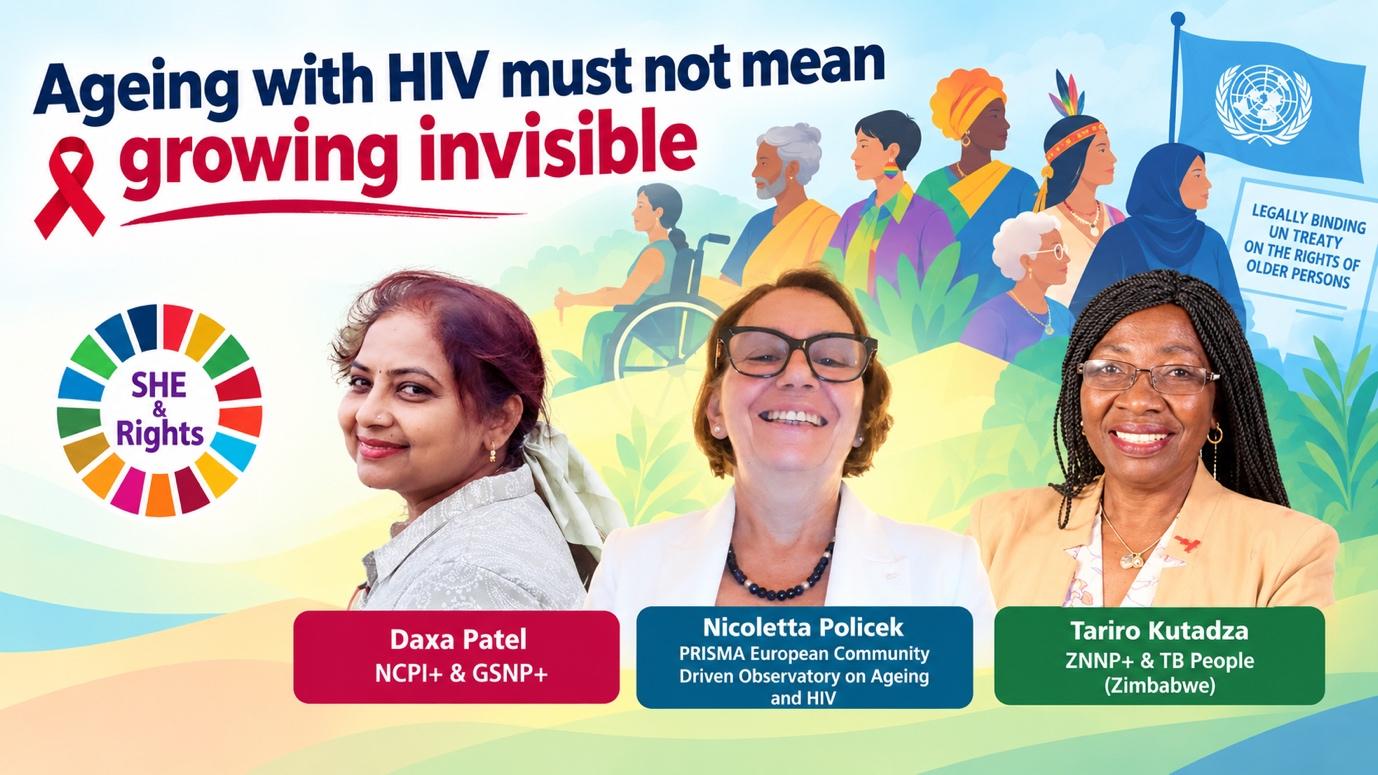
As long-term HIV survivors face stigma, fragmented healthcare and financial insecurity, community leaders call for a legally binding UN treat
Pakistan's journey from a People's Republic to an Islamic Republic. BY Dr. Emanuel Adil Ghouri

Although the overwhelming majority of Muslims were involved in the struggle for the establishment of Pakistan, the second largest force was the Christians, who were smaller in numbers but certainly a strong political unit.It would not be wrong if I said that the establishment of Pakistan would not have been possible without him.Clear evidence of this is that at the time of the Partition of India, the largest province of Punjab was not included in the map of Pakistan, which later became part of Pakistan with three Christian votes, which was a huge political support. In the freedom struggle, Christians had the option of either siding with the Congress or supporting Muhammad Ali Jinnah. At first glance, it seemed that the Congress was a Hindu extremist party that would turn India into a Hindu state after partition, in which the future of minorities would be insecure. On the other hand, Muhammad Ali Jinnah had clear liberal thinking and wanted to make Pakistan a secular state. He openly expressed this at various points during the Pakistan Movement. The Viceroy of India asked Muhammad Ali Jinnah if he wanted a religious state, to which he replied that he wanted a modern democratic state. Similarly, while answering a question from a journalist from the British newspaper Herald, he confirmed that his struggle is for a modern democratic state, a state in which people belonging to all religions can live as equals.
The famous muslim religious scholar of that time, Maulana Maududi, told Jinnah that if you are going to create an Islamic state, then we can go with you, to which Muhammad Ali Jinnah, instead of answering his words, remained silent, which in itself was an answer.
After which the religious parties Majlis-e-Ahrar, Jamaat-e-Islami, Maulana Maududi and Maulana Ali Azhar started opposing him and started calling Jinnah the Greatest Kafir.
Many of Muhammad Ali Jinnah's actions after the struggle for the establishment of Pakistan reflect the fact that he was aspirer for a People's Republic of Pakistan. His historic speech on August 11, 1947, is a clear indication of the People's Republic of Pakistan in which he said that no matter what religion or belief you belong to, you are free to go to your mosques, temples and other places of worship.
Not only this, but when he formed his first cabinet as Governor General after the establishment of Pakistan, we do not see any religious discrimination in it either. In his cabinet, Sir Zafarullah Khan, who was a non-Muslim, was selected for the important post of Foreign Minister.The portfolio of the Law Ministry was given to Jogendra Nath Mandal, and he was also nominated as the interim chairman of the Legislative Assembly. He was also a non-Muslim.Expressing confidence in non-Muslims even in the country's most sensitive military sector, he appointed Mr. Frank Hendry as the Army Chief. Similarly, the second Army Chief, Mr. Douglas Cracy, also belonged to the Christian nation.
The Constitution of Pakistan was provisionally implemented from 14 August 1947 to 1 March 1956. In fact, it was the Indian Act of 1935 in which the distribution of civil rights was not based on color, race, religion and belief, therefore Pakistan remained the People's Republic of Pakistan for 10 years of its initial life, which was the real Pakistan of Muhammad Ali Jinnah. After Jinnah's death, Pakistan became hostage to religious powers that were ideologically opposed to Muhammad Ali Jinnah. In the 1956 constitution, the People's Republic of Pakistan was renamed the Islamic Republic of Pakistan for the first time and Islam was declared the official religion of the country.This was not surprising because in all the major countries of the world, including the United States, Canada, and Europe, the religion of the majority is the official religion of the country.The painful thing here was that the democratic rights of citizens were also divided on the basis of religion.Article 41 of the Constitution prohibits a non-Muslim from becoming the President of a country. Not only this, but Article 43 of the Constitution prohibits a non-Muslim from becoming the Prime Minister, Chairman of the Senate, Speaker of the National Assembly, Chief Minister, or Provincial Governor. Similarly, the post of Army Chief was also declared prohibited for non-Muslims.All these conditions restrict the rights of minorities and make them second-class citizens by questioning their patriotism, which undoubtedly negates their struggle for the establishment of Pakistan.
Christian Political leaders did not join the Congress simply because they feared that Hindus would become extremists and turn India into a Hindu state where minorities would be unsafe.But the result was the opposite: the Hindu state, without giving importance to race, religion, or color, made Dr. Zakir Hussain, Dr. Fakhruddin Ali Ahmed, and Dr. Abul Kalam Azad the president of its state. Not only this, it also appointed George Fernandes as its defense minister and Pakistan is such a democratic country that the Ministry of Minority Affairs has also been abolished in the federal cabinet.Minorities do not even have the democratic right to elect their representatives to parliament through their own votes. The majority Muslim political parties have the power to elect representatives of minorities at their own will.
As a student of political science, I have studied the concept of minority rights in an Islamic state and democracy in Islam. Pakistan's democratic system is in complete contradiction with this. Islam provides its minorities with complete protection of their lives and property, while Pakistani minorities are extremely insecure.
The famous muslim religious scholar of that time, Maulana Maududi, told Jinnah that if you are going to create an Islamic state, then we can go with you, to which Muhammad Ali Jinnah, instead of answering his words, remained silent, which in itself was an answer.
After which the religious parties Majlis-e-Ahrar, Jamaat-e-Islami, Maulana Maududi and Maulana Ali Azhar started opposing him and started calling Jinnah the Greatest Kafir.
Many of Muhammad Ali Jinnah's actions after the struggle for the establishment of Pakistan reflect the fact that he was aspirer for a People's Republic of Pakistan. His historic speech on August 11, 1947, is a clear indication of the People's Republic of Pakistan in which he said that no matter what religion or belief you belong to, you are free to go to your mosques, temples and other places of worship.
Not only this, but when he formed his first cabinet as Governor General after the establishment of Pakistan, we do not see any religious discrimination in it either. In his cabinet, Sir Zafarullah Khan, who was a non-Muslim, was selected for the important post of Foreign Minister.The portfolio of the Law Ministry was given to Jogendra Nath Mandal, and he was also nominated as the interim chairman of the Legislative Assembly. He was also a non-Muslim.Expressing confidence in non-Muslims even in the country's most sensitive military sector, he appointed Mr. Frank Hendry as the Army Chief. Similarly, the second Army Chief, Mr. Douglas Cracy, also belonged to the Christian nation.
The Constitution of Pakistan was provisionally implemented from 14 August 1947 to 1 March 1956. In fact, it was the Indian Act of 1935 in which the distribution of civil rights was not based on color, race, religion and belief, therefore Pakistan remained the People's Republic of Pakistan for 10 years of its initial life, which was the real Pakistan of Muhammad Ali Jinnah. After Jinnah's death, Pakistan became hostage to religious powers that were ideologically opposed to Muhammad Ali Jinnah. In the 1956 constitution, the People's Republic of Pakistan was renamed the Islamic Republic of Pakistan for the first time and Islam was declared the official religion of the country.This was not surprising because in all the major countries of the world, including the United States, Canada, and Europe, the religion of the majority is the official religion of the country.The painful thing here was that the democratic rights of citizens were also divided on the basis of religion.Article 41 of the Constitution prohibits a non-Muslim from becoming the President of a country. Not only this, but Article 43 of the Constitution prohibits a non-Muslim from becoming the Prime Minister, Chairman of the Senate, Speaker of the National Assembly, Chief Minister, or Provincial Governor. Similarly, the post of Army Chief was also declared prohibited for non-Muslims.All these conditions restrict the rights of minorities and make them second-class citizens by questioning their patriotism, which undoubtedly negates their struggle for the establishment of Pakistan.
Christian Political leaders did not join the Congress simply because they feared that Hindus would become extremists and turn India into a Hindu state where minorities would be unsafe.But the result was the opposite: the Hindu state, without giving importance to race, religion, or color, made Dr. Zakir Hussain, Dr. Fakhruddin Ali Ahmed, and Dr. Abul Kalam Azad the president of its state. Not only this, it also appointed George Fernandes as its defense minister and Pakistan is such a democratic country that the Ministry of Minority Affairs has also been abolished in the federal cabinet.Minorities do not even have the democratic right to elect their representatives to parliament through their own votes. The majority Muslim political parties have the power to elect representatives of minorities at their own will.
As a student of political science, I have studied the concept of minority rights in an Islamic state and democracy in Islam. Pakistan's democratic system is in complete contradiction with this. Islam provides its minorities with complete protection of their lives and property, while Pakistani minorities are extremely insecure.
You May Also Like
Every year on 26 October, Accession Day marks a historic moment in Jammu and Kashmir’s history. In 1947, Maharaja Hari Singh signed the Instr
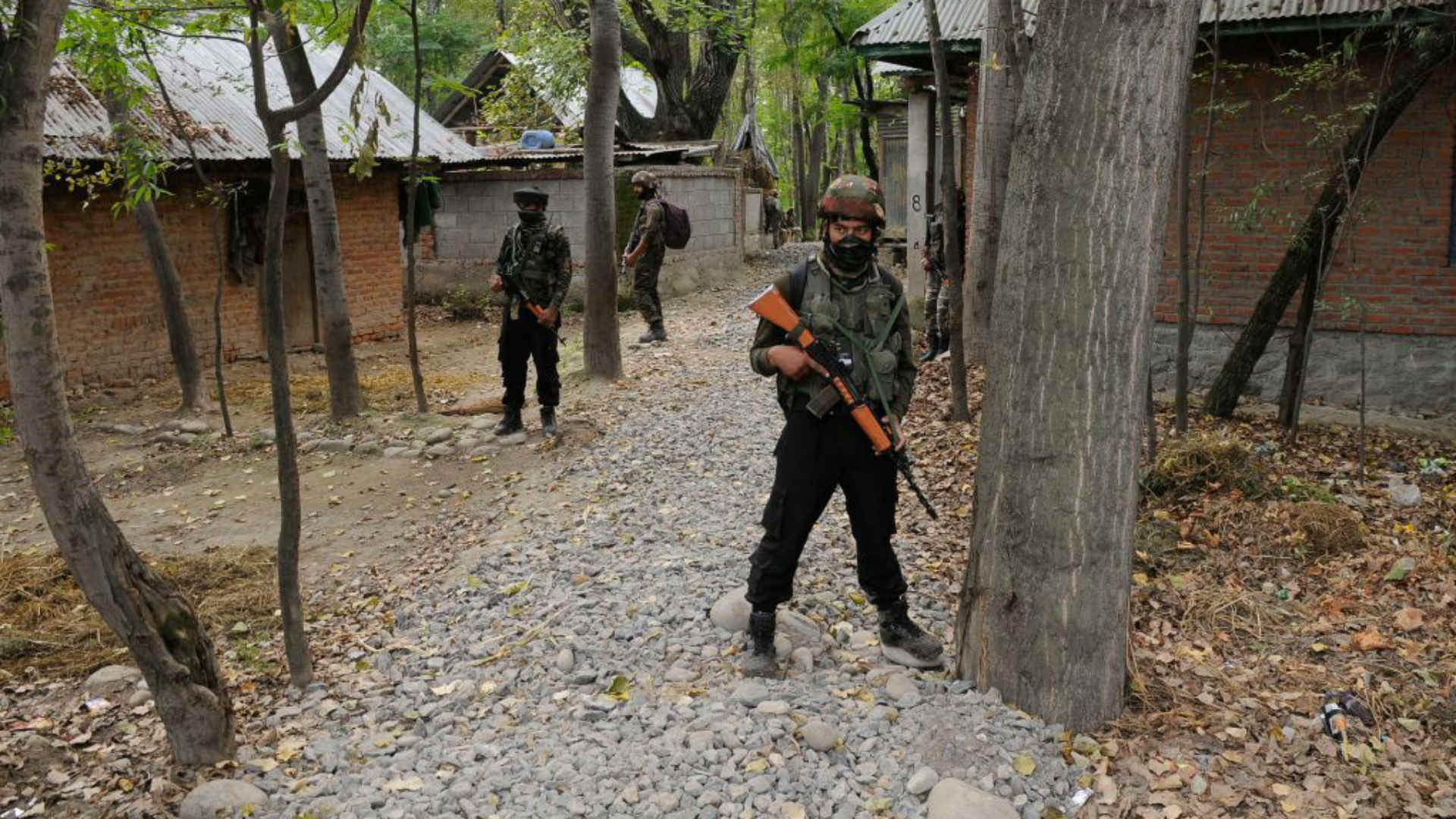
The dispute over Jammu and Kashmir remains unresolved nearly eight decades after the events of October 1947. Although the Government of India maint


PCP need your support that we may provide you better services: click on donate


"Trial of Pakistani Christian Nation" By Nazir S Bhatti
On demand of our readers, I have decided to release E-Book version of "Trial of Pakistani Christian Nation" on website of PCP which can also be viewed on website of Pakistan Christian Congress www.pakistanchristiancongress.org . You can read chapter wise by clicking tab on left handside of PDF format of E-Book.