
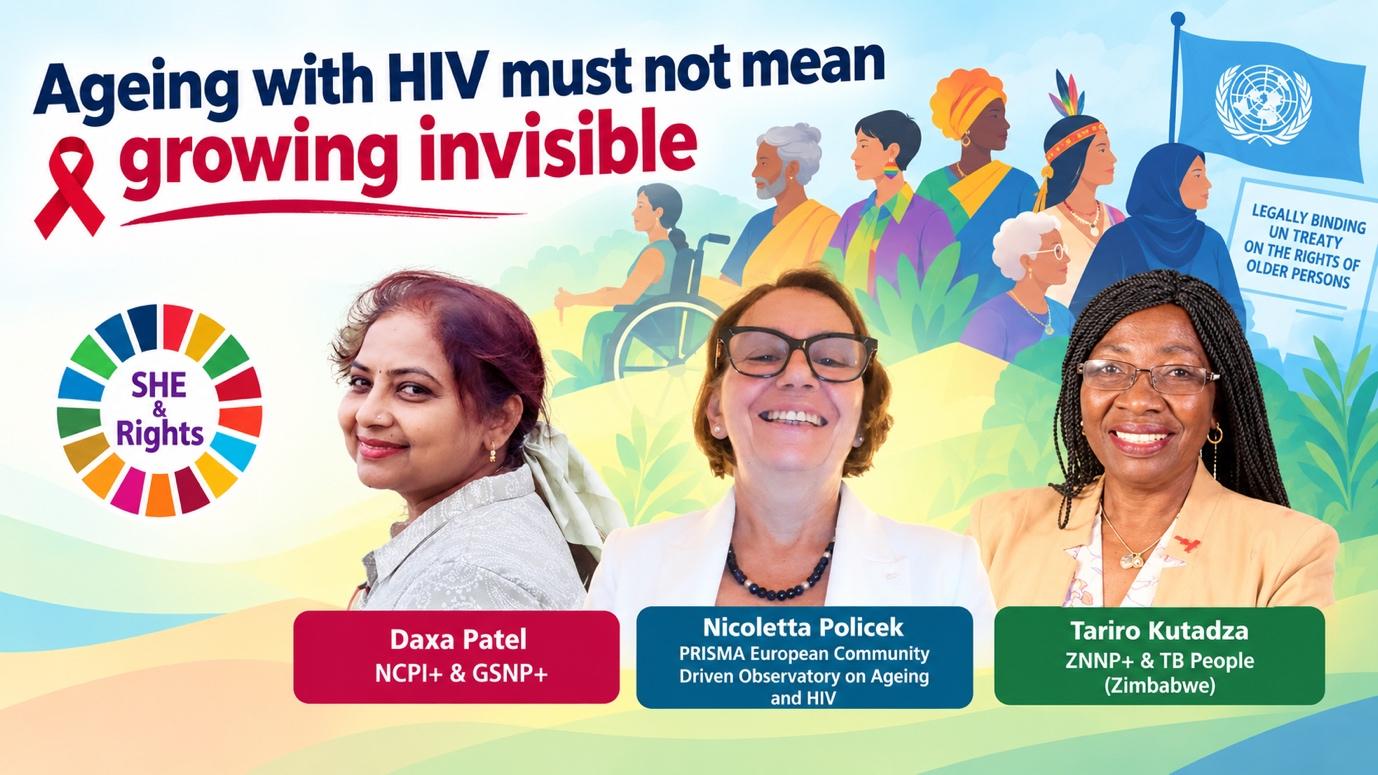
As long-term HIV survivors face stigma, fragmented healthcare and financial insecurity, community leaders call for a legally binding UN treat
A Beacon of Women's Empowerment: Kurdish Women Fighters. By Manish Rai
Without an examination of the Kurds' role in the region, it is impossible to comprehend the rapidly evolving geopolitical dynamics of the Middle East. It is the distinctive character of Kurdish women that warrants greater attention within this narrative. They have transformed the political landscape despite the dual challenges of gender and ethnic oppression. Kurdish women combatants from the Women's Protection Units (YPJ) are a prominent, all-female force actively combating extremist groups like ISIS and defending Kurdish-controlled territory in Syria. Such behavior has resulted in certain women in the YPJ ranks commanding men, as the YPJ is renowned for its battlefield prowess. Despite their military defense, they remain committed to the emancipation of women and the abolition of patriarchal systems. They were established in 2013 and have since then been advocating for gender equality and a greater role for women in society. In the midst of Syria's civil war, Kurdish women in Rojava attained a status that many nations still aspire to: equal partnership in economy, politics, and social life. Their approach, which is founded on the Kurdish slogan "Jin, Jiyan, Azadi" (Woman, Life, Freedom), prioritizes direct democracy and ecological balance while challenging patriarchy. It is important to emphasize that these YPJ women combatants are not new; they are the product of a long line of Kurdish women revolutionaries who have been protesting authoritarian policies and dictatorships for decades. Including a young student named Leyla Qasim, who challenged Saddam Hussein in the 1970s, was convicted in a televised show trial, and executed by hanging, and the politician Hevrin Khalaf, who most recently focused on establishing ethnic bridges between Muslims and Christians in Syria before being apprehended and executed by Salafi extremists in 2019.
Kurdish women in Iraqi Kurdistan, which is adjacent to Syria, made contributions to the Peshmerga forces in new and unprecedented ways during the Kurdish-Iraqi War. Margaret George, an Assyrian Kurd, commanded a diminutive Peshmerga battalion near Akra, and the Kurdistan Women's Federation provided covert support for the war effort. George, a former hospital employee, opted to engage in combat after Jash soldiers attacked her village. Following her demise, she was hailed as the "Joan of Arc of the Peshmerga," a Kurdish hero. She is still referred to as "brilliant," "valiant," and "a powerful guerrilla fighter," and thousands of Peshmerga carried her photograph in honor of her memory. The Peshmerga has permitted women to serve since the 1970s; however, they were officially admitted in 1996 when the Patriotic Union of Kurdistan (PUK) established the first all-female unit. Hundreds of combatants have since joined this unit, with a few advancing to high-ranking positions.
In Kurdish history, women have occupied substantial responsibilities in society, such as leadership positions in the military, politics, and religion. Kara Fatima Khanum, from Marash, southeastern Turkey, and Khanzade Sultan are two notable examples. Following her husband's death in the 1850s, Kara Fatima Khanum assumed the role of chieftain for a sizable tribe in eastern Anatolia. She led 300 of the tribe's most formidable combatants in the Crimean War, aiding the Ottomans in their battle against Russia. While Sultan Murad IV was in power (1623–1640), Khanzade Sultan governed the Harrir and Soran regions, which are located to the east and northeast of Erbil, Iraqi Kurdistan. She directed a force of 40,000–50,000 soldiers and initiated numerous campaigns against Iran. Military organizations in Iraqi Kurdistan and Rojava (Syrian Kurdistan) have expanded the opportunities for women to serve in the armed forces and have generally enhanced women's rights. Women's social status and roles in the Kurdistan Regional Government (KRG)-controlled regions have consistently improved over time, as evidenced by indicators. Women in Iraqi Kurdistan have been particularly assertive in combat, as their participation in the Kurdish national movement and the Iraqi-Kurdish women's movement was initiated simultaneously. I interviewed Major General Osman Resha, the Spokesperson for the Ministry of Peshmerga Affairs, in order to gain a more comprehensive view of the role of women in the Peshmerga forces, which are the official military force of the KRG and the largest Kurdish force. He advised that women in the Peshmerga are active in various capacities and are also taking on leadership positions. He further stated that women's involvement has taken on an institutional and academic form, as evidenced by their enrollment in military colleges to receive scientific and combat training. This implies that women's role in the Peshmerga will grow and improve.
The role of these women warriors has reached its zenith since the emergence of ISIS in 2014. In Western Kurdistan (Rojava), the YPJ were at the forefront of the fighting, while in Southern Kurdistan, female Peshmerga played an active role, making numerous sacrifices to protect their land and human values. The Kurdish women have been at the forefront of Kurdish survival, defending villages and building councils, schools, and communities from the ruins. They have also engaged in combat against ISIS. However, their courageous endeavor cannot be solely labelled as a struggle against Jihadist terrorists; these combatants are taking a stand to defend women's rights and dignity. Many times, the YPG declared that its primary objective was to achieve gender equality. Women are joining this organization to challenge the stereotypes surrounding women in their culture. Female empowerment is exemplified by Kurdish women who serve as combatants and soldiers, setting a precedent for the broader Middle East in a predominantly conservative region.
(The author is an Australian Geopolitical Analyst and Columnist for the Middle East)
Kurdish women in Iraqi Kurdistan, which is adjacent to Syria, made contributions to the Peshmerga forces in new and unprecedented ways during the Kurdish-Iraqi War. Margaret George, an Assyrian Kurd, commanded a diminutive Peshmerga battalion near Akra, and the Kurdistan Women's Federation provided covert support for the war effort. George, a former hospital employee, opted to engage in combat after Jash soldiers attacked her village. Following her demise, she was hailed as the "Joan of Arc of the Peshmerga," a Kurdish hero. She is still referred to as "brilliant," "valiant," and "a powerful guerrilla fighter," and thousands of Peshmerga carried her photograph in honor of her memory. The Peshmerga has permitted women to serve since the 1970s; however, they were officially admitted in 1996 when the Patriotic Union of Kurdistan (PUK) established the first all-female unit. Hundreds of combatants have since joined this unit, with a few advancing to high-ranking positions.
In Kurdish history, women have occupied substantial responsibilities in society, such as leadership positions in the military, politics, and religion. Kara Fatima Khanum, from Marash, southeastern Turkey, and Khanzade Sultan are two notable examples. Following her husband's death in the 1850s, Kara Fatima Khanum assumed the role of chieftain for a sizable tribe in eastern Anatolia. She led 300 of the tribe's most formidable combatants in the Crimean War, aiding the Ottomans in their battle against Russia. While Sultan Murad IV was in power (1623–1640), Khanzade Sultan governed the Harrir and Soran regions, which are located to the east and northeast of Erbil, Iraqi Kurdistan. She directed a force of 40,000–50,000 soldiers and initiated numerous campaigns against Iran. Military organizations in Iraqi Kurdistan and Rojava (Syrian Kurdistan) have expanded the opportunities for women to serve in the armed forces and have generally enhanced women's rights. Women's social status and roles in the Kurdistan Regional Government (KRG)-controlled regions have consistently improved over time, as evidenced by indicators. Women in Iraqi Kurdistan have been particularly assertive in combat, as their participation in the Kurdish national movement and the Iraqi-Kurdish women's movement was initiated simultaneously. I interviewed Major General Osman Resha, the Spokesperson for the Ministry of Peshmerga Affairs, in order to gain a more comprehensive view of the role of women in the Peshmerga forces, which are the official military force of the KRG and the largest Kurdish force. He advised that women in the Peshmerga are active in various capacities and are also taking on leadership positions. He further stated that women's involvement has taken on an institutional and academic form, as evidenced by their enrollment in military colleges to receive scientific and combat training. This implies that women's role in the Peshmerga will grow and improve.
The role of these women warriors has reached its zenith since the emergence of ISIS in 2014. In Western Kurdistan (Rojava), the YPJ were at the forefront of the fighting, while in Southern Kurdistan, female Peshmerga played an active role, making numerous sacrifices to protect their land and human values. The Kurdish women have been at the forefront of Kurdish survival, defending villages and building councils, schools, and communities from the ruins. They have also engaged in combat against ISIS. However, their courageous endeavor cannot be solely labelled as a struggle against Jihadist terrorists; these combatants are taking a stand to defend women's rights and dignity. Many times, the YPG declared that its primary objective was to achieve gender equality. Women are joining this organization to challenge the stereotypes surrounding women in their culture. Female empowerment is exemplified by Kurdish women who serve as combatants and soldiers, setting a precedent for the broader Middle East in a predominantly conservative region.
(The author is an Australian Geopolitical Analyst and Columnist for the Middle East)
You May Also Like
Every year on 26 October, Accession Day marks a historic moment in Jammu and Kashmir’s history. In 1947, Maharaja Hari Singh signed the Instr
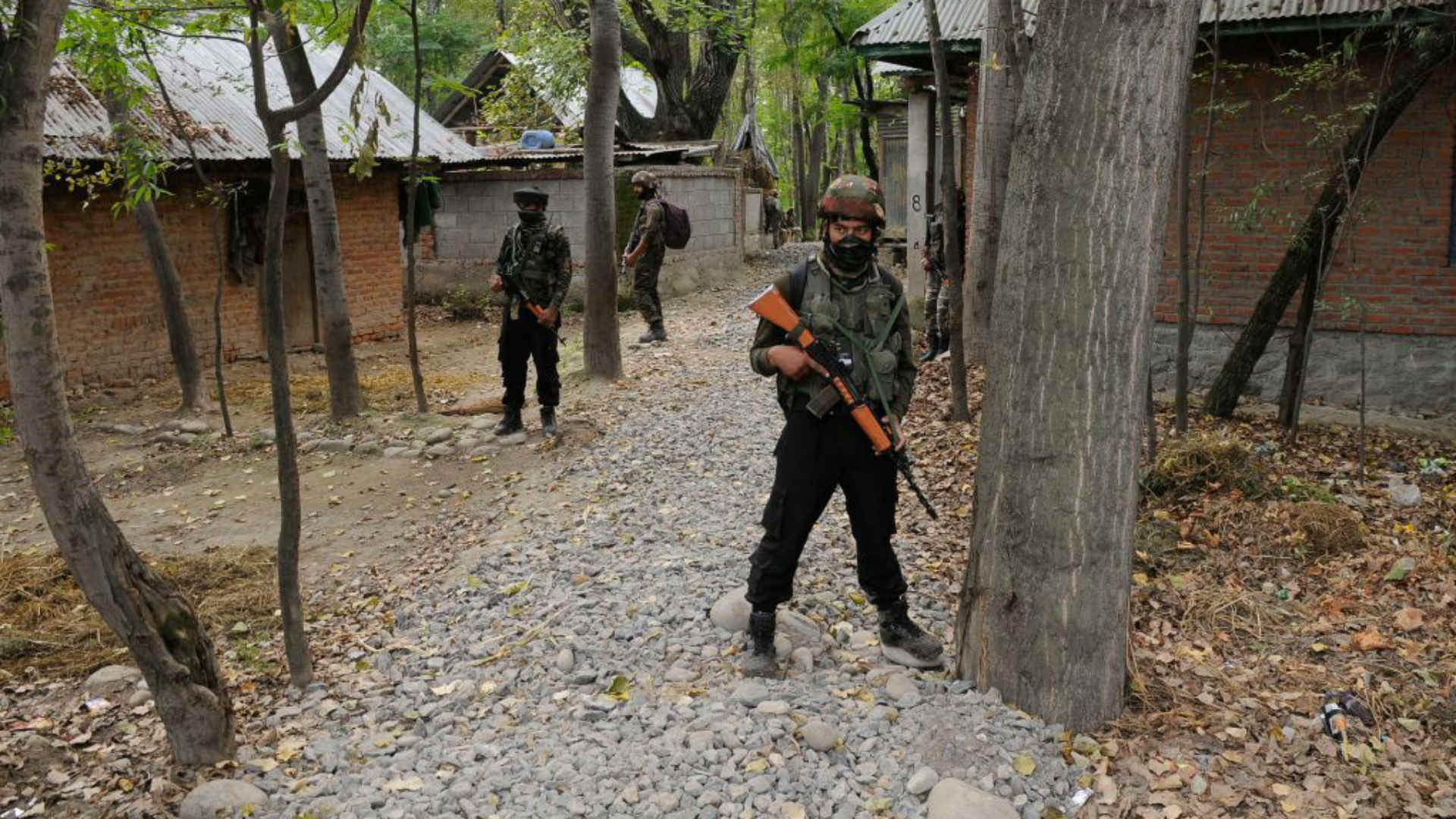
The dispute over Jammu and Kashmir remains unresolved nearly eight decades after the events of October 1947. Although the Government of India maint


PCP need your support that we may provide you better services: click on donate


"Trial of Pakistani Christian Nation" By Nazir S Bhatti
On demand of our readers, I have decided to release E-Book version of "Trial of Pakistani Christian Nation" on website of PCP which can also be viewed on website of Pakistan Christian Congress www.pakistanchristiancongress.org . You can read chapter wise by clicking tab on left handside of PDF format of E-Book.