

As long-term HIV survivors face stigma, fragmented healthcare and financial insecurity, community leaders call for a legally binding UN treat
Kurds: International Betrayal Victims. By Manish Rai
The Sykes-Picot agreement, which established the contemporary Middle East map following World War I, has led to the Kurds being the world's largest stateless population, as we are all aware. Distributed across four nations in the region—Iran, Iraq, Syria, and Turkey. The Kurds have long sought to establish their homeland, "Kurdistan," and have made significant sacrifices and collaborated with various regional and global powers to achieve this goal. However, the powers they collaborated with have consistently betrayed the Kurds. At present, the Kurdish-led Syrian Democratic Forces (SDF) in North and Northeast Syria are the subject of an extensive offensive by Syrian government forces and affiliated militias, with the implicit support of the United States. With few exceptions, most cities and towns fell rapidly as Kurdish-led forces withdrew. In the regions under their control, SDF and its civilian institutions have been working for years to establish a political entity that is multi-religious and multi-ethnic. The project's collapse was a direct result of the abrupt and widespread defections of Arab tribes from SDF and its Autonomous Administration, underscoring the Kurdish inability to redefine social and political relations with Arab communities. Most Arab tribes, having been emancipated from the tyrannical governance of ISIS by Kurdish forces and subsequently leading peaceful and dignified lives in Kurdish-administered areas of northeast Syria, rapidly changed allegiance and allied with the forces of Syrian President Ahmad Al-Shaara. This outcome is ironic. Kurdish forces have been left in a state of shock as a result of this betrayal, as they have lost more than two-thirds of the territory they previously possessed in a mere two weeks.
I conducted a video interview with Nesrin Abdullah, the senior commander of the Kurdish Women Protection Units (YPJ), to obtain additional information regarding the evolving tribal allegiances. While speaking from the besieged city of Kobani, she informed me that not all Arab tribes have joined the Syrian government forces, and a small number of them are still on the side of the SDF. In addition, Commander Nasrin advised that the policy of this government be in alignment with that of Bashar Al-Assad's administration, which was to promote sectarian conflict. Most of the Arab tribes purportedly shifted sides because of this policy. The Kurdish national motto, "No friends but the mountains," is proving to be particularly relevant in the current situation. Particularly, the Syrian Kurds now regard themselves as victims of international betrayal, as they were the most effective US ally in the Syrian conflict against ISIS.
Throughout history, others have perpetrated numerous acts of deception against the Kurds. Following the Ottoman Empire's dissolution at the conclusion of the First World War, the Treaty of Sèvres acknowledged the Kurds' entitlement to their state. Woodrow Wilson, the President of the United States, committed to providing support for its establishment within two years; however, his promise did not transpire. In the aftermath of the Second World War, the Mahabad Republic was briefly established by Kurds in Northwestern Iran, although it never materialized. This state offered them a brief taste of freedom. The Iranian regime promptly suppressed this experiment with the support of the United States and Britain. The Iranian government publicly executed Qazi Muhammad, the elected president of the republic, as well as several other Kurdish leaders. In the early months of 1991, after the first Gulf War ended, the Kurds were once again backstabbed because the United States and its allies did not significantly intervene while Saddam Hussein unleashed brutal retribution against them for their support of the US during the war. This event was reminiscent of those in March 1988, when approximately 5,000 Kurdish civilians were killed in a chemical attack in the town of Halabja within a single day.
Once again, the Syrian conflict betrays them. All parties are currently subjecting Kurds to persecution in the Syrian arena. The Syrian government, Turkish-backed militias, ISIS, and Turkey are all waging an attack on them. The Syrian Kurds have been profoundly disheartened by the outcome. The only assistance being provided is from the fellow Kurdish populace in neighbouring states. For example, the Patriotic Union of Kurdistan (PUK) has dispatched its elite Counter Terrorism Group (CTG) to assist Kurdish forces in Rojava, and the Barzani Foundation has sent substantial humanitarian aid.
It is a prevalent sentiment among Kurds that their partners have abandoned them. They have considered themselves trustworthy allies of the United States for the past ten years. The United States and Western values were genuinely supported by them, and they gained popularity as a result of their cooperation in the struggle against the Islamic State, during which they lost over 12,000 combatants. However, it has become evident to them that the Syrian state has received support from the United States, although it is commanded by a former jihadist terrorist. Currently, a coalition of former militants and significant elements committed to extremist ideologies within its military and administrative structures governs Syria. It is composed of various radical currents, including the Muslim Brotherhood, Tafkiris and Salafism. The atrocities against the Druze and Alawite communities, as well as the Kurds most recently, serve as evidence that Syria is unlikely to achieve stability in the near future. The failure of a local revolt to persist was not the sole cause of Rojava's collapse. We defeated the political proposition that secular and democratic forces in the region could rely on the United States and Western support. Although the discourse of democracy and dignity may have been appealing to an occasional US diplomat and congressman, it held no significance in Washington.
(The author is an Australian Geopolitical Analyst and Columnist for the Middle East and Af-Pak)
I conducted a video interview with Nesrin Abdullah, the senior commander of the Kurdish Women Protection Units (YPJ), to obtain additional information regarding the evolving tribal allegiances. While speaking from the besieged city of Kobani, she informed me that not all Arab tribes have joined the Syrian government forces, and a small number of them are still on the side of the SDF. In addition, Commander Nasrin advised that the policy of this government be in alignment with that of Bashar Al-Assad's administration, which was to promote sectarian conflict. Most of the Arab tribes purportedly shifted sides because of this policy. The Kurdish national motto, "No friends but the mountains," is proving to be particularly relevant in the current situation. Particularly, the Syrian Kurds now regard themselves as victims of international betrayal, as they were the most effective US ally in the Syrian conflict against ISIS.
Throughout history, others have perpetrated numerous acts of deception against the Kurds. Following the Ottoman Empire's dissolution at the conclusion of the First World War, the Treaty of Sèvres acknowledged the Kurds' entitlement to their state. Woodrow Wilson, the President of the United States, committed to providing support for its establishment within two years; however, his promise did not transpire. In the aftermath of the Second World War, the Mahabad Republic was briefly established by Kurds in Northwestern Iran, although it never materialized. This state offered them a brief taste of freedom. The Iranian regime promptly suppressed this experiment with the support of the United States and Britain. The Iranian government publicly executed Qazi Muhammad, the elected president of the republic, as well as several other Kurdish leaders. In the early months of 1991, after the first Gulf War ended, the Kurds were once again backstabbed because the United States and its allies did not significantly intervene while Saddam Hussein unleashed brutal retribution against them for their support of the US during the war. This event was reminiscent of those in March 1988, when approximately 5,000 Kurdish civilians were killed in a chemical attack in the town of Halabja within a single day.
Once again, the Syrian conflict betrays them. All parties are currently subjecting Kurds to persecution in the Syrian arena. The Syrian government, Turkish-backed militias, ISIS, and Turkey are all waging an attack on them. The Syrian Kurds have been profoundly disheartened by the outcome. The only assistance being provided is from the fellow Kurdish populace in neighbouring states. For example, the Patriotic Union of Kurdistan (PUK) has dispatched its elite Counter Terrorism Group (CTG) to assist Kurdish forces in Rojava, and the Barzani Foundation has sent substantial humanitarian aid.
It is a prevalent sentiment among Kurds that their partners have abandoned them. They have considered themselves trustworthy allies of the United States for the past ten years. The United States and Western values were genuinely supported by them, and they gained popularity as a result of their cooperation in the struggle against the Islamic State, during which they lost over 12,000 combatants. However, it has become evident to them that the Syrian state has received support from the United States, although it is commanded by a former jihadist terrorist. Currently, a coalition of former militants and significant elements committed to extremist ideologies within its military and administrative structures governs Syria. It is composed of various radical currents, including the Muslim Brotherhood, Tafkiris and Salafism. The atrocities against the Druze and Alawite communities, as well as the Kurds most recently, serve as evidence that Syria is unlikely to achieve stability in the near future. The failure of a local revolt to persist was not the sole cause of Rojava's collapse. We defeated the political proposition that secular and democratic forces in the region could rely on the United States and Western support. Although the discourse of democracy and dignity may have been appealing to an occasional US diplomat and congressman, it held no significance in Washington.
(The author is an Australian Geopolitical Analyst and Columnist for the Middle East and Af-Pak)
You May Also Like
Every year on 26 October, Accession Day marks a historic moment in Jammu and Kashmir’s history. In 1947, Maharaja Hari Singh signed the Instr
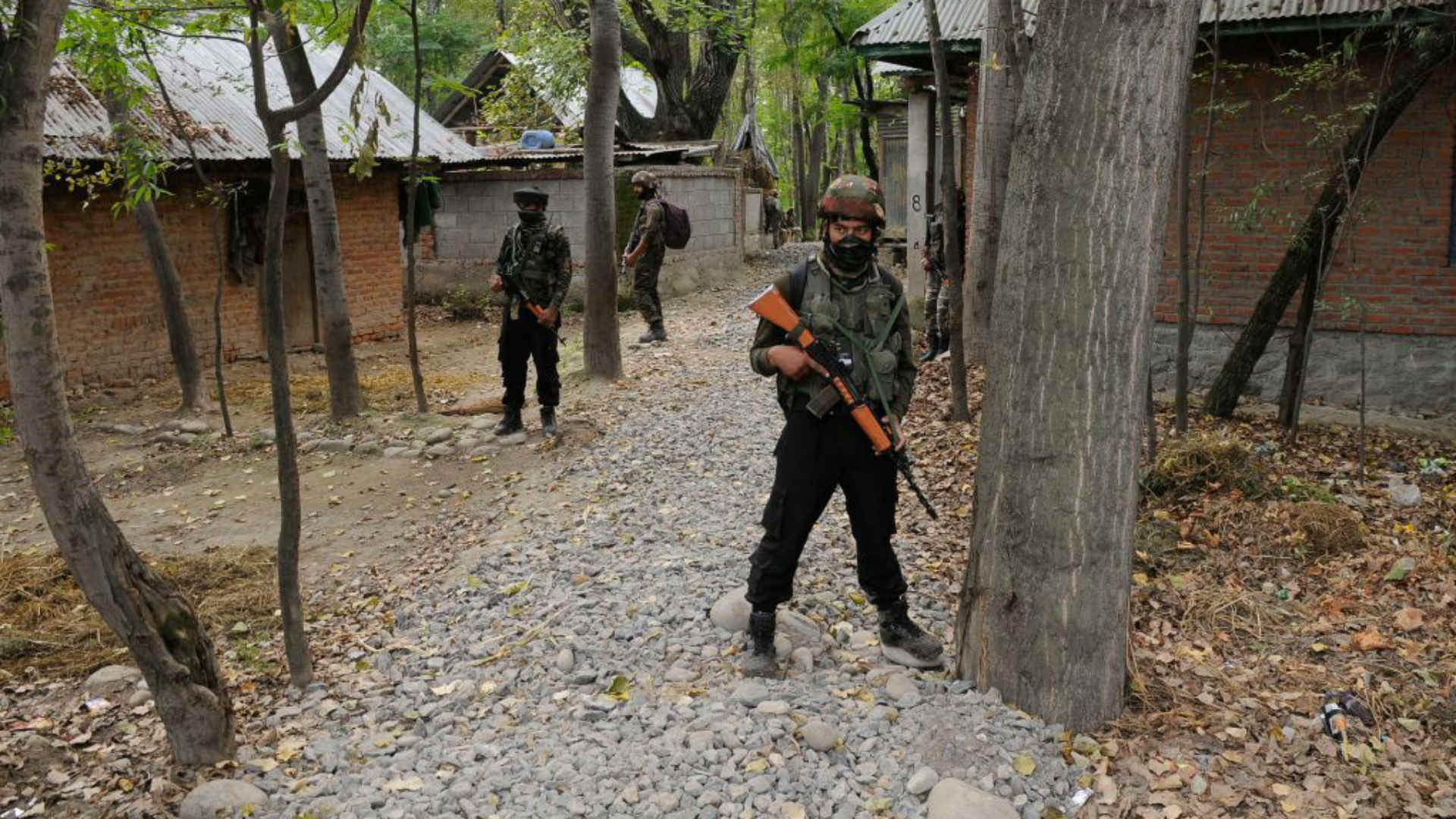
The dispute over Jammu and Kashmir remains unresolved nearly eight decades after the events of October 1947. Although the Government of India maint


PCP need your support that we may provide you better services: click on donate


"Trial of Pakistani Christian Nation" By Nazir S Bhatti
On demand of our readers, I have decided to release E-Book version of "Trial of Pakistani Christian Nation" on website of PCP which can also be viewed on website of Pakistan Christian Congress www.pakistanchristiancongress.org . You can read chapter wise by clicking tab on left handside of PDF format of E-Book.