

As long-term HIV survivors face stigma, fragmented healthcare and financial insecurity, community leaders call for a legally binding UN treat
Evangelism in Afghanistan is a major challenge. By Dr. Emanuel Adil Ghouri
Open Doors, an international organization that provides protection to vulnerable Christians around the world, released a World Watch List in 2025, identifying 10 countries in which the lives of Christians are at serious risk. Afghanistan is included in this list.
It is almost impossible to practice Christianity openly in this country. Those who accept Jesus reportedly "face threats of violence, forced conversion, and imprisonment. Abandoning the traditional religion of one's family or tribe is seen as a serious act of disloyalty Which can lead to social ostracism, "honor killings" by family members, and mental and physical violence by close relatives.
Following Christ here can be punishable by death. According to the law, converting from Islam to another religion is apostasy, punishable by beheading for men and life imprisonment for women. Propagating another religion here is considered a crime. Evangelizing others with the intent to convert is also a serious crime, and violators can face the death penalty.
In August 2010, two Afghans and two aid workers were arrested in the western province of Herat on charges of proselytizing. The two NGO workers were deported from the country and the Afghans were held in prison for a long time. After lengthy negotiations, the government released them in Kabul.In November 2010, another man, Shoaib Asadullah Mousavi, was jailed in the northern city of Mazar-i-Sharif after being accused of giving a New Testament to a friend, who then sent him back. Shoaib Asadullah was released from prison on March 30, 2011.Got a passport and left Afghanistan on April 14, 2011.
Afghanistan faces many difficulties and dangers in proselytizing Christianity due to strict Islamic laws and religious extremism, so foreign missionaries have little access here. One high-profile case involved the kidnapping of 23 South Korean missionaries in 2007, two of whom were killed The had detained aid workers on charges of converting several Afghans to christianty
On August 5, 2010, a team of international medical missionaries, consisting of six Americans, two Afghans, one British and one German, was given the opportunity to work. The doctors began their welfare services in the Nuristan region of Afghanistan.Within a very short time, Hezb-e-Islami and the Taliban killed them in an attack. The doctors were accused of preaching Christianity and spying. Hezb-e-Islami and the Taliban claimed responsibility for the attack. Legend about the evangelization of the Gospel in Afghanistan tells that the Apostle Thomas preached in Bactria (northern Afghanistan). Muslim conquests in the 7th-9th centuries ended this early presence Little remained until the 14th century: the earliest mention refers to Nestorian Christians in Bactria (Balkh) by the end of the 2nd century. In later periods (17th century - 20th century) Armenian Christian merchants settled in Kabul, establishing a community but were expelled in 1771.After independence in 1919, some modernization allowed for small-scale activities, but major changes occurred during and after the Soviet invasion (1979–1989). The current Afghan Church was reestablished in the 1970s with a handful of Afghan Christians.By the time of the first Taliban occupation in 1995-1996, the number of Christians had probably reached 3,000. Unconfirmed estimates put the current Christian population at 15,000 to 20,000. Christian NGOs faced expulsion by the Taliban in 2001, after which they left Afghanistan. The Taliban government does not officially recognize the existence of Afghan Christians and actively suppresses all non-Islamic religious propaganda. Missionary Christian aid workers in Afghanistan face severe violence and persecution from both state authorities (the Taliban) and non-state actors such as militant groups, including abuse, imprisonment, and death threats. Under the current Taliban government, Afghanistan is considered one of the most dangerous places in the world for Christians
The situation has worsened since the Taliban takeover, with the overall evangelization process stagnating. The existing Christians are performing their religious rituals in underground churches.
It is an established fact that due to the Taliban's hardline attitude, it is currently difficult to spread the gospel in Afghanistan, but it cannot be considered impossible. However, the method of preaching needs to change. Currently, millions of Afghan refugees are living in different cities of Pakistan. See details.
Khyber Pakhtunkhwa 662017 Balochistan 220721 Punjab 110350 6 Sindh 40647 Islamabad has 25104 while other cities have 2608. If the message of Jesus is conveyed to these millions of Afghans, the word of God will reach the length and breadth of Afghanistan. It is important that the gospel missnories allience from Europe and America which send millions of dollars to Pakistani ministries oblige them to direct their services towards these Afghans instead of converting existing Christians, because the command is, "Go and make disciples of all nations, baptizing them in the name of the Father, the Son and the Holy Spirit."
It is almost impossible to practice Christianity openly in this country. Those who accept Jesus reportedly "face threats of violence, forced conversion, and imprisonment. Abandoning the traditional religion of one's family or tribe is seen as a serious act of disloyalty Which can lead to social ostracism, "honor killings" by family members, and mental and physical violence by close relatives.
Following Christ here can be punishable by death. According to the law, converting from Islam to another religion is apostasy, punishable by beheading for men and life imprisonment for women. Propagating another religion here is considered a crime. Evangelizing others with the intent to convert is also a serious crime, and violators can face the death penalty.
In August 2010, two Afghans and two aid workers were arrested in the western province of Herat on charges of proselytizing. The two NGO workers were deported from the country and the Afghans were held in prison for a long time. After lengthy negotiations, the government released them in Kabul.In November 2010, another man, Shoaib Asadullah Mousavi, was jailed in the northern city of Mazar-i-Sharif after being accused of giving a New Testament to a friend, who then sent him back. Shoaib Asadullah was released from prison on March 30, 2011.Got a passport and left Afghanistan on April 14, 2011.
Afghanistan faces many difficulties and dangers in proselytizing Christianity due to strict Islamic laws and religious extremism, so foreign missionaries have little access here. One high-profile case involved the kidnapping of 23 South Korean missionaries in 2007, two of whom were killed The had detained aid workers on charges of converting several Afghans to christianty
On August 5, 2010, a team of international medical missionaries, consisting of six Americans, two Afghans, one British and one German, was given the opportunity to work. The doctors began their welfare services in the Nuristan region of Afghanistan.Within a very short time, Hezb-e-Islami and the Taliban killed them in an attack. The doctors were accused of preaching Christianity and spying. Hezb-e-Islami and the Taliban claimed responsibility for the attack. Legend about the evangelization of the Gospel in Afghanistan tells that the Apostle Thomas preached in Bactria (northern Afghanistan). Muslim conquests in the 7th-9th centuries ended this early presence Little remained until the 14th century: the earliest mention refers to Nestorian Christians in Bactria (Balkh) by the end of the 2nd century. In later periods (17th century - 20th century) Armenian Christian merchants settled in Kabul, establishing a community but were expelled in 1771.After independence in 1919, some modernization allowed for small-scale activities, but major changes occurred during and after the Soviet invasion (1979–1989). The current Afghan Church was reestablished in the 1970s with a handful of Afghan Christians.By the time of the first Taliban occupation in 1995-1996, the number of Christians had probably reached 3,000. Unconfirmed estimates put the current Christian population at 15,000 to 20,000. Christian NGOs faced expulsion by the Taliban in 2001, after which they left Afghanistan. The Taliban government does not officially recognize the existence of Afghan Christians and actively suppresses all non-Islamic religious propaganda. Missionary Christian aid workers in Afghanistan face severe violence and persecution from both state authorities (the Taliban) and non-state actors such as militant groups, including abuse, imprisonment, and death threats. Under the current Taliban government, Afghanistan is considered one of the most dangerous places in the world for Christians
The situation has worsened since the Taliban takeover, with the overall evangelization process stagnating. The existing Christians are performing their religious rituals in underground churches.
It is an established fact that due to the Taliban's hardline attitude, it is currently difficult to spread the gospel in Afghanistan, but it cannot be considered impossible. However, the method of preaching needs to change. Currently, millions of Afghan refugees are living in different cities of Pakistan. See details.
Khyber Pakhtunkhwa 662017 Balochistan 220721 Punjab 110350 6 Sindh 40647 Islamabad has 25104 while other cities have 2608. If the message of Jesus is conveyed to these millions of Afghans, the word of God will reach the length and breadth of Afghanistan. It is important that the gospel missnories allience from Europe and America which send millions of dollars to Pakistani ministries oblige them to direct their services towards these Afghans instead of converting existing Christians, because the command is, "Go and make disciples of all nations, baptizing them in the name of the Father, the Son and the Holy Spirit."
You May Also Like

Every year on 26 October, Accession Day marks a historic moment in Jammu and Kashmir’s history. In 1947, Maharaja Hari Singh signed the Instr
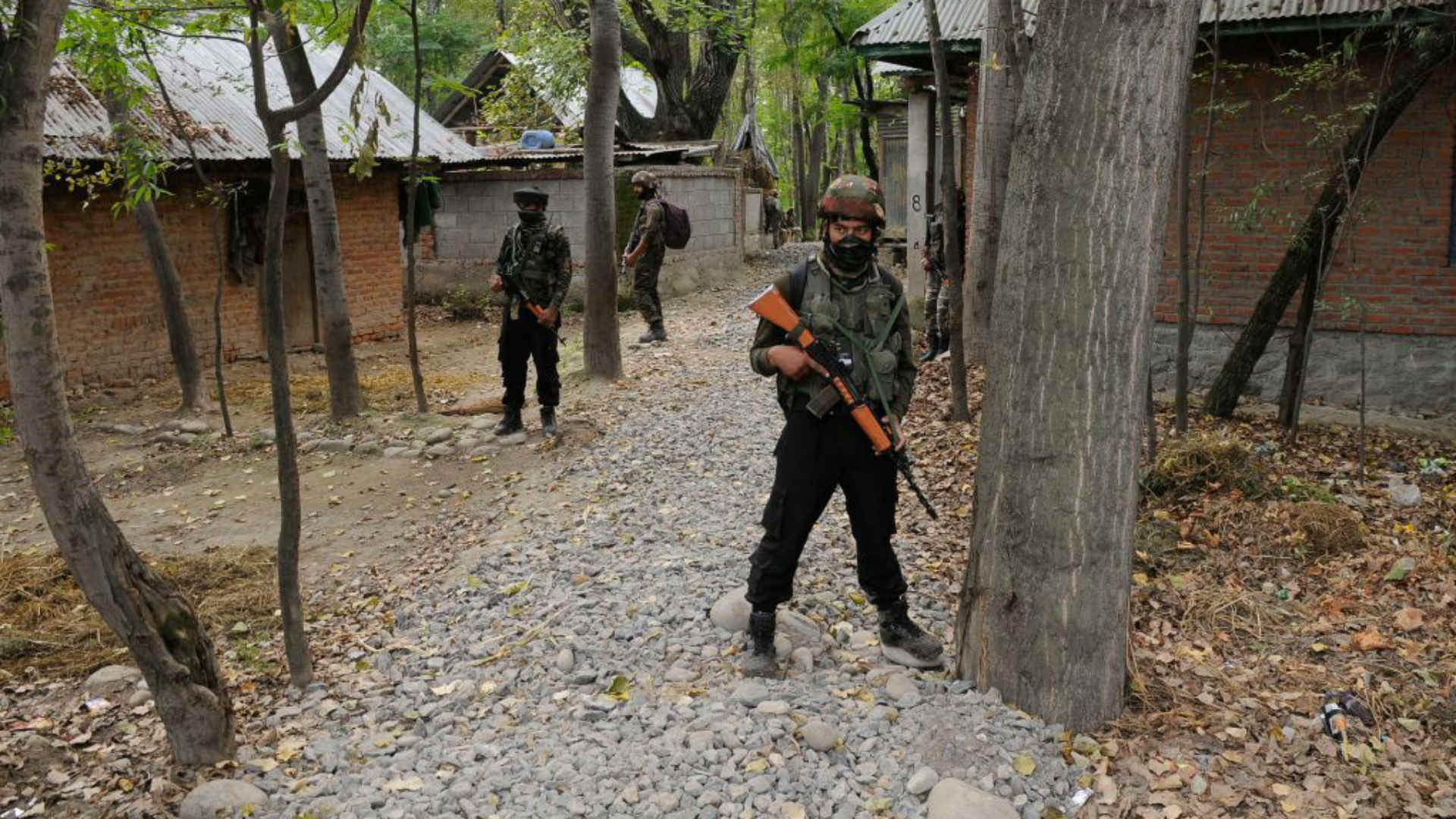
The dispute over Jammu and Kashmir remains unresolved nearly eight decades after the events of October 1947. Although the Government of India maint


PCP need your support that we may provide you better services: click on donate


"Trial of Pakistani Christian Nation" By Nazir S Bhatti
On demand of our readers, I have decided to release E-Book version of "Trial of Pakistani Christian Nation" on website of PCP which can also be viewed on website of Pakistan Christian Congress www.pakistanchristiancongress.org . You can read chapter wise by clicking tab on left handside of PDF format of E-Book.