
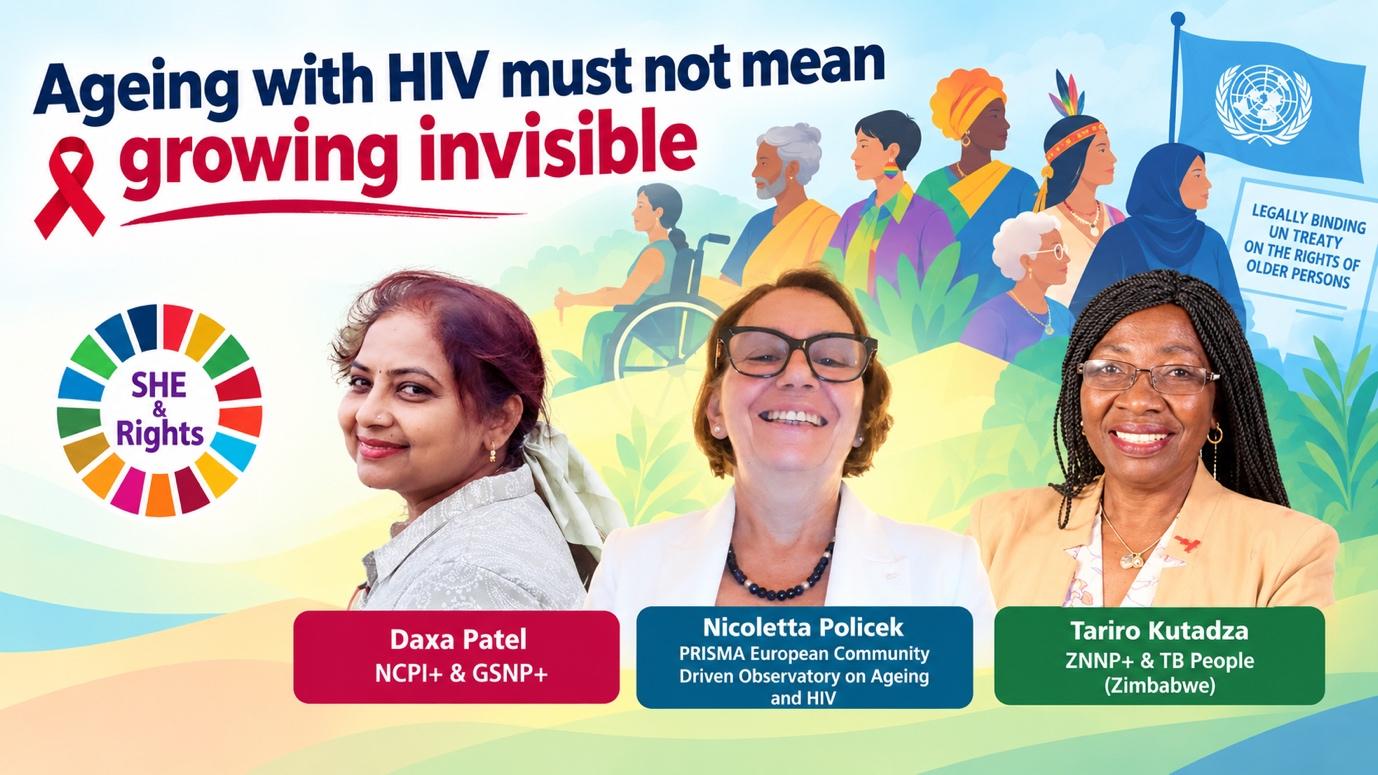
As long-term HIV survivors face stigma, fragmented healthcare and financial insecurity, community leaders call for a legally binding UN treat
No Government Can be Formed in Kurdistan Without PUK Participation. By Manish Rai
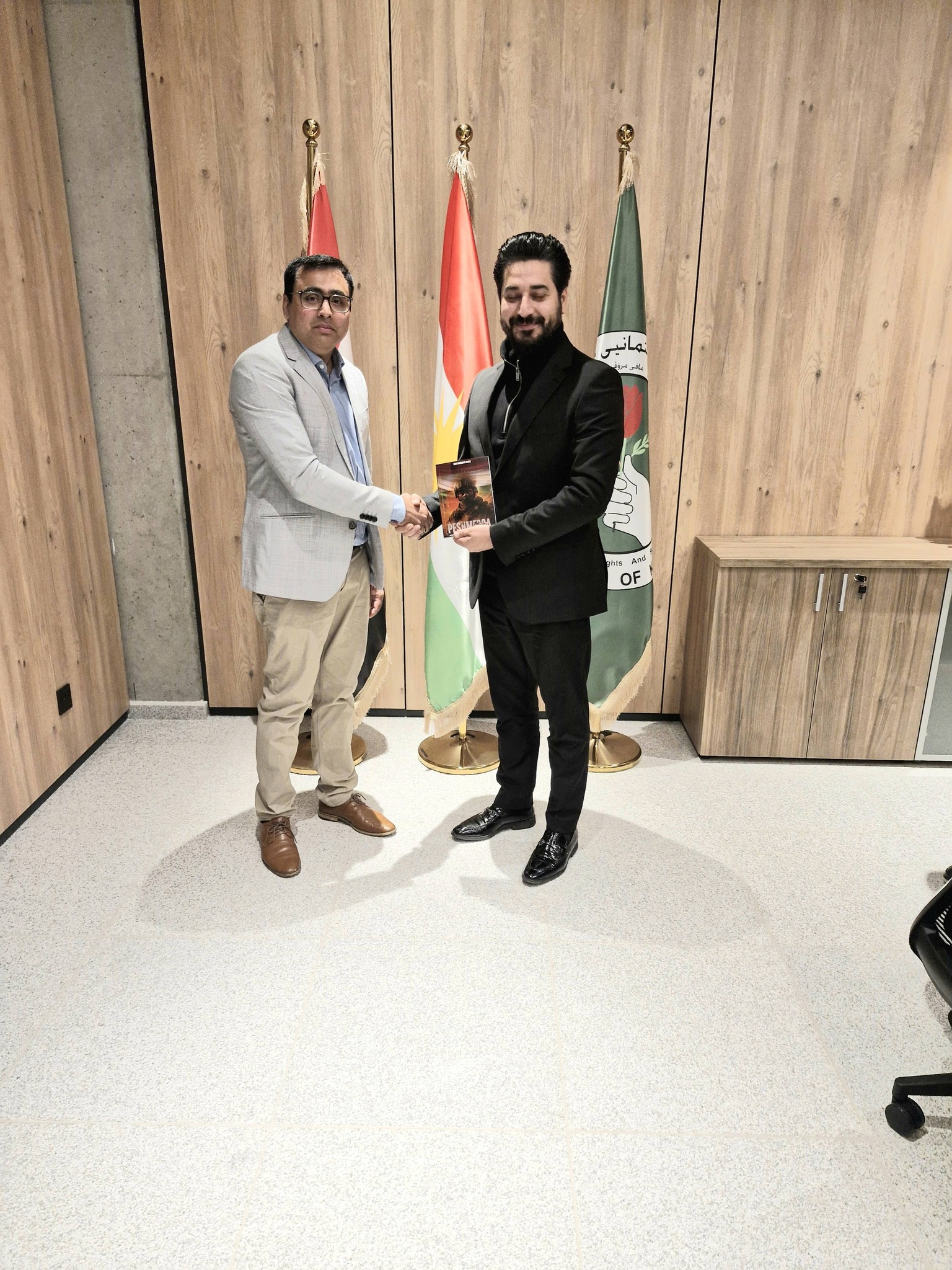
The latest round of negotiations has been launched between the Kurdistan Democratic Party (KDP) and the Patriotic Union of Kurdistan (PUK), the two primary political parties in Iraqi Kurdistan, regarding the formation of the tenth cabinet of the Kurdistan Region. The Kurdistan Region conducted its long-delayed parliamentary elections in October 2024, with the KDP obtaining 39 of the 100 seats and the PUK securing 23. With no party commanding a majority, negotiations for government formation have been ongoing for several months but have recently reached an impasse, allegedly due to disagreements regarding governance procedures and critical appointments. To obtain further information regarding the current negotiations, Manish Rai, a geopolitical analyst based in Sydney, Australia, interviewed Mr. Karwan Gaznay, the spokesperson for PUK, at the party’s headquarters in Sulaymaniyah. In this interview, Mr. Gaznay stated that without PUK's involvement, no government can be established in Kurdistan, and they aim to finalize the discussions with a comprehensive agreement. The detailed interview with Mr. Karwan follows.
Question: It has been over a year since the elections in Kurdistan, yet there remains no indication of government formation. Could you please explain the reasons for the delay in establishing the government?
Gaznay: We, the Patriotic Union of Kurdistan, would like to have a service-based government in all the cities of the Kurdistan Region. We do not want a government that discriminates or differentiates between the cities of the Kurdistan Region under any circumstances, because we believe that our responsibility lies in meeting the needs of all people without any differences.
Additionally, we seek a meaningful partnership in the government across all sectors, particularly in the security, administration, and finance departments. For this reason, we have held several meetings with the KDP and discussed two issues simultaneously and in parallel. First, we drafted a proposal on the governing mechanism and a settled strategy to lead the region for the coming four years, and we have reached conclusions regarding these mechanisms. Second, we discussed the distribution of positions between the two sides. The PUK will not give up any position that is our electoral right, and we will demand positions that align with our slogans, agenda, and the promises we made during the 2024 elections.
Question: There is a rumour that PUK has demanded either the presidency of the KRG or the position of prime minister, and this demand has become the primary obstacle to reaching an agreement, as the KDP is hesitant to relinquish either of these positions. Is this statement accurate?
Gaznay: We do not specify exactly what positions we have asked for, but we seek any position that aligns with our electoral agenda and reflects the votes we gained in the election. In other words, we demand positions that can fulfill the promises we made to our people and enable us to serve the people of Kurdistan in the region.
Question: Recently, some leaders of KDP have stated that if negotiations between KDP and PUK do not yield results promptly, they may consider engaging with other political parties to form the government without PUK. What is your perspective on this matter?
Gaznay: From my humble perspective, it is crystal clear that the KDP cannot form any government whatsoever without a real partnership with the PUK. There are geographical, historical, and electoral realities that cannot be ignored or overlooked. No government will be successful without our participation, and even if one is formed, it will fail.
Question: Do you believe that the ongoing delay in government formation is undermining public confidence in the democratic process as a whole?
Gaznay: The ongoing delay in forming the government does not serve the democratization process. However, we must ask who is responsible for this delay. We once again confirm our desire for the formation of the government, but we must be satisfied with its structure so that we can deliver the best services to our people. I believe that forming a weak government would harm the democratization process even more than delaying the formation of a new government.
Question: Some analysts and observers of the region believe that the recent electoral success of the PUK in Iraq’s legislative elections has emboldened the party and led it to demand a greater share in the government. Have the PUK's demands evolved following Iraq's elections?
Gaznay: In reality, the PUK has achieved great success in the last three elections over a period of two years. These include the Iraqi governorate elections in 2023, the Kurdistan Parliament elections in 2024, and the Iraqi parliamentary elections in 2025. The PUK promised its voters and the people of Kurdistan to restore the balance of power under the leadership of His Excellency President Bafel Talabani, President of the PUK, and we have done so, as no party now has the dominant power to form the government alone. We also promised to bring the governing system back to its rightful path, and we seek to achieve this through the formation of this government.
To answer your question more directly, this election has nothing to do with the success of the Iraqi parliamentary elections. With the results of those elections, we will be the power and voice of our people in Baghdad to secure their constitutional rights. However, with the results of the 2024 Kurdistan elections, we will demand a fair, just, and service-oriented government with real participation in the Kurdistan Region. These are two different elections with different agendas and demands.
Question: Conversely, PUK states that they do not wish to proceed with the formation of the government without a comprehensive agreement. Could you kindly clarify the details of this "comprehensive agreement"?
Gaznay: As previously clarified, by a comprehensive agreement, we mean a settled and written framework that lays the foundation for governing the region. Every political party worldwide has agendas and election plans, and they follow these plans after forming a government. This is how parties and governments are later evaluated and judged. The PUK is no different, and we aim to incorporate our plans and ideas into this comprehensive agreement.
Question: It has been over a year since the elections in Kurdistan, yet there remains no indication of government formation. Could you please explain the reasons for the delay in establishing the government?
Gaznay: We, the Patriotic Union of Kurdistan, would like to have a service-based government in all the cities of the Kurdistan Region. We do not want a government that discriminates or differentiates between the cities of the Kurdistan Region under any circumstances, because we believe that our responsibility lies in meeting the needs of all people without any differences.
Additionally, we seek a meaningful partnership in the government across all sectors, particularly in the security, administration, and finance departments. For this reason, we have held several meetings with the KDP and discussed two issues simultaneously and in parallel. First, we drafted a proposal on the governing mechanism and a settled strategy to lead the region for the coming four years, and we have reached conclusions regarding these mechanisms. Second, we discussed the distribution of positions between the two sides. The PUK will not give up any position that is our electoral right, and we will demand positions that align with our slogans, agenda, and the promises we made during the 2024 elections.
Question: There is a rumour that PUK has demanded either the presidency of the KRG or the position of prime minister, and this demand has become the primary obstacle to reaching an agreement, as the KDP is hesitant to relinquish either of these positions. Is this statement accurate?
Gaznay: We do not specify exactly what positions we have asked for, but we seek any position that aligns with our electoral agenda and reflects the votes we gained in the election. In other words, we demand positions that can fulfill the promises we made to our people and enable us to serve the people of Kurdistan in the region.
Question: Recently, some leaders of KDP have stated that if negotiations between KDP and PUK do not yield results promptly, they may consider engaging with other political parties to form the government without PUK. What is your perspective on this matter?
Gaznay: From my humble perspective, it is crystal clear that the KDP cannot form any government whatsoever without a real partnership with the PUK. There are geographical, historical, and electoral realities that cannot be ignored or overlooked. No government will be successful without our participation, and even if one is formed, it will fail.
Question: Do you believe that the ongoing delay in government formation is undermining public confidence in the democratic process as a whole?
Gaznay: The ongoing delay in forming the government does not serve the democratization process. However, we must ask who is responsible for this delay. We once again confirm our desire for the formation of the government, but we must be satisfied with its structure so that we can deliver the best services to our people. I believe that forming a weak government would harm the democratization process even more than delaying the formation of a new government.
Question: Some analysts and observers of the region believe that the recent electoral success of the PUK in Iraq’s legislative elections has emboldened the party and led it to demand a greater share in the government. Have the PUK's demands evolved following Iraq's elections?
Gaznay: In reality, the PUK has achieved great success in the last three elections over a period of two years. These include the Iraqi governorate elections in 2023, the Kurdistan Parliament elections in 2024, and the Iraqi parliamentary elections in 2025. The PUK promised its voters and the people of Kurdistan to restore the balance of power under the leadership of His Excellency President Bafel Talabani, President of the PUK, and we have done so, as no party now has the dominant power to form the government alone. We also promised to bring the governing system back to its rightful path, and we seek to achieve this through the formation of this government.
To answer your question more directly, this election has nothing to do with the success of the Iraqi parliamentary elections. With the results of those elections, we will be the power and voice of our people in Baghdad to secure their constitutional rights. However, with the results of the 2024 Kurdistan elections, we will demand a fair, just, and service-oriented government with real participation in the Kurdistan Region. These are two different elections with different agendas and demands.
Question: Conversely, PUK states that they do not wish to proceed with the formation of the government without a comprehensive agreement. Could you kindly clarify the details of this "comprehensive agreement"?
Gaznay: As previously clarified, by a comprehensive agreement, we mean a settled and written framework that lays the foundation for governing the region. Every political party worldwide has agendas and election plans, and they follow these plans after forming a government. This is how parties and governments are later evaluated and judged. The PUK is no different, and we aim to incorporate our plans and ideas into this comprehensive agreement.
You May Also Like
Every year on 26 October, Accession Day marks a historic moment in Jammu and Kashmir’s history. In 1947, Maharaja Hari Singh signed the Instr
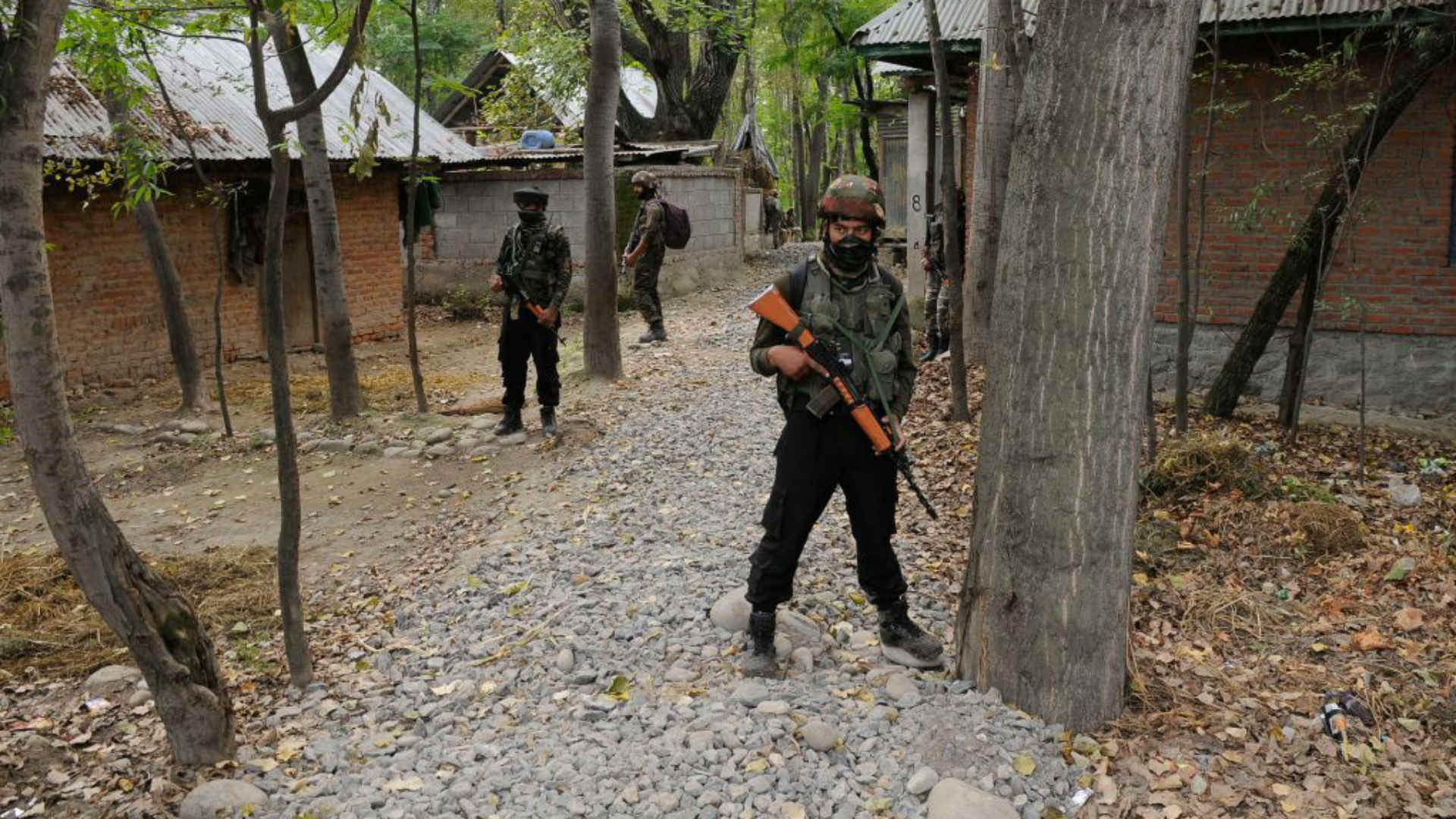
The dispute over Jammu and Kashmir remains unresolved nearly eight decades after the events of October 1947. Although the Government of India maint


PCP need your support that we may provide you better services: click on donate


"Trial of Pakistani Christian Nation" By Nazir S Bhatti
On demand of our readers, I have decided to release E-Book version of "Trial of Pakistani Christian Nation" on website of PCP which can also be viewed on website of Pakistan Christian Congress www.pakistanchristiancongress.org . You can read chapter wise by clicking tab on left handside of PDF format of E-Book.