

As long-term HIV survivors face stigma, fragmented healthcare and financial insecurity, community leaders call for a legally binding UN treat
Russia’s strategic hedging in South Asia. EFSAS
In its recently published study paper, “Russia’s strategic hedging in South Asia”, EFSAS comments on Russia’s strategic relations with the countries of South Asia, deliberating upon the various alliances and oppositions converging and diverging across time, illuminating the balancing strategy Moscow is implementing in the region and arguing that Russia’s growing influence in South Asia should not be neglected considering its economic, military, political and cultural power and opportunity to fill the gaps left out by Washington’s tumultuous withdrawal from Afghanistan.
The paper follows the course of events by comparing Kremlin’s policy towards India, Pakistan and China, before and after the dissolution of the Soviet Union in 1991, analysing the ensuing geopolitical paradigm shifts in Russia’s rapprochement with Islamabad and Beijing. It also explains how Russia is currently establishing itself as a regional power, which successfully sustains positive relations with both India and Pakistan, despite their 70-year long conflict over the disputed territory of Jammu & Kashmir. The Sino-Russian alliance is further analysed in respect to the way it opportunely acts as a hedge against Western influence.
EFSAS describes how Russia is at present acting in the need of the hour by building bridges with all the major players in South Asia, thinking ahead and seeking rapprochement in order to establish itself as a leading regional power. The new paradigmatic shift of Russia’s tilting towards China and Pakistan, while negotiating with the Taliban in Afghanistan, should be seen through the balance of power principle and therefore Russia’s decade-long cordial relationship with India is projected to remain unaltered in the face of those alliances.
EFSAS concludes by arguing that in the current capitalist geopolitical setup, where foreign relations are based on commodity exchange in order to accumulate wealth and influence, Russia has recognised the necessity of building its own capabilities with a competitive advantage in order to regain its status of a Superpower. Russia’s constructive multilateral relations with the countries of South Asia, manifestation of its soft diplomacy in the region, have opened the gates to its substantial regional influence, allowing Moscow to engage with vital new markets and act resolutely with the ongoing conflicts, while maintaining the role of a pacifying force. Hence, the country acts opportunistically and rationally in filling the gap of the power vacuum left out by the US, in pursuit of its national interests.
The paper follows the course of events by comparing Kremlin’s policy towards India, Pakistan and China, before and after the dissolution of the Soviet Union in 1991, analysing the ensuing geopolitical paradigm shifts in Russia’s rapprochement with Islamabad and Beijing. It also explains how Russia is currently establishing itself as a regional power, which successfully sustains positive relations with both India and Pakistan, despite their 70-year long conflict over the disputed territory of Jammu & Kashmir. The Sino-Russian alliance is further analysed in respect to the way it opportunely acts as a hedge against Western influence.
EFSAS describes how Russia is at present acting in the need of the hour by building bridges with all the major players in South Asia, thinking ahead and seeking rapprochement in order to establish itself as a leading regional power. The new paradigmatic shift of Russia’s tilting towards China and Pakistan, while negotiating with the Taliban in Afghanistan, should be seen through the balance of power principle and therefore Russia’s decade-long cordial relationship with India is projected to remain unaltered in the face of those alliances.
EFSAS concludes by arguing that in the current capitalist geopolitical setup, where foreign relations are based on commodity exchange in order to accumulate wealth and influence, Russia has recognised the necessity of building its own capabilities with a competitive advantage in order to regain its status of a Superpower. Russia’s constructive multilateral relations with the countries of South Asia, manifestation of its soft diplomacy in the region, have opened the gates to its substantial regional influence, allowing Moscow to engage with vital new markets and act resolutely with the ongoing conflicts, while maintaining the role of a pacifying force. Hence, the country acts opportunistically and rationally in filling the gap of the power vacuum left out by the US, in pursuit of its national interests.
You May Also Like

Every year on 26 October, Accession Day marks a historic moment in Jammu and Kashmir’s history. In 1947, Maharaja Hari Singh signed the Instr
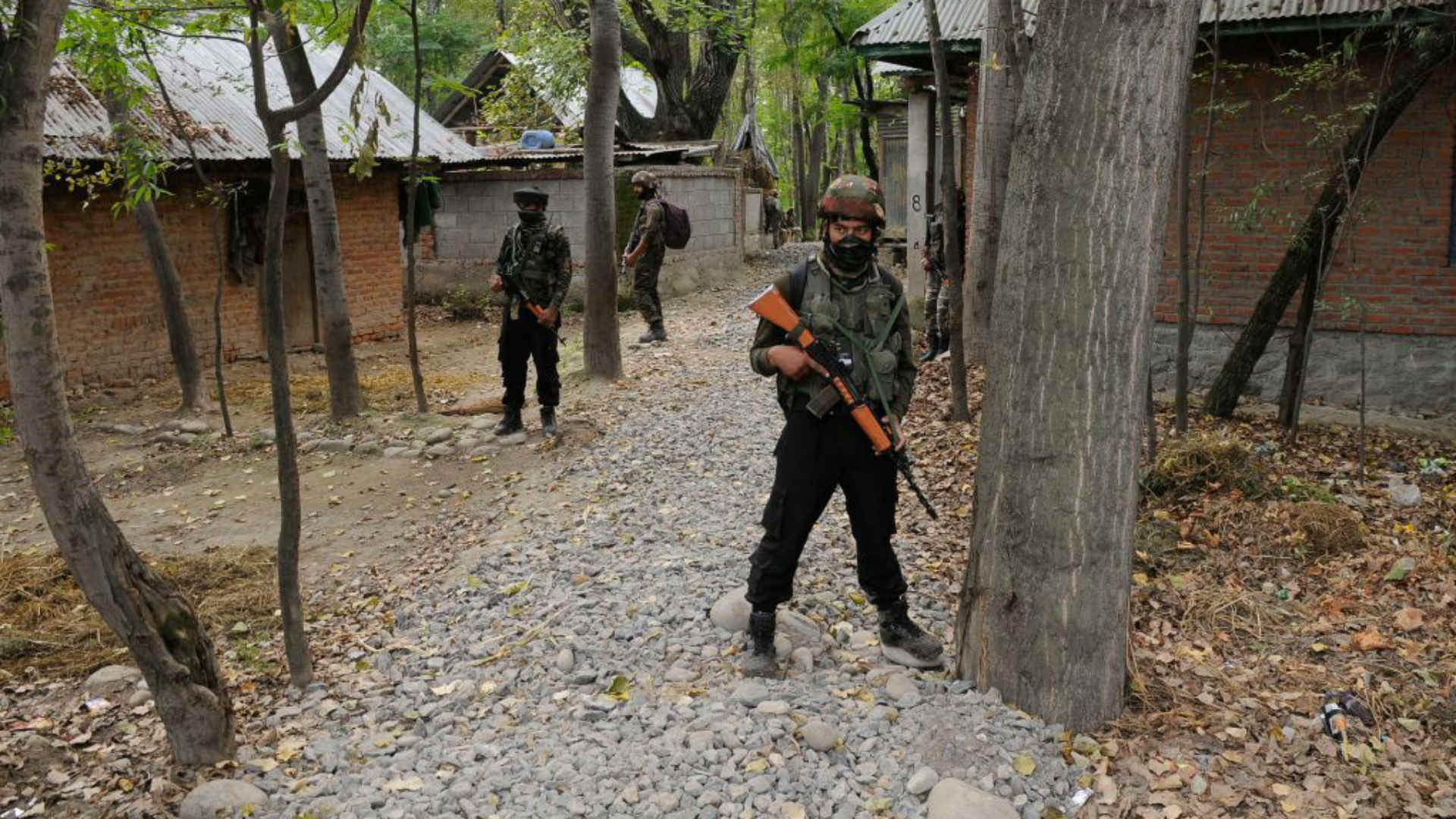
The dispute over Jammu and Kashmir remains unresolved nearly eight decades after the events of October 1947. Although the Government of India maint


PCP need your support that we may provide you better services: click on donate


"Trial of Pakistani Christian Nation" By Nazir S Bhatti
On demand of our readers, I have decided to release E-Book version of "Trial of Pakistani Christian Nation" on website of PCP which can also be viewed on website of Pakistan Christian Congress www.pakistanchristiancongress.org . You can read chapter wise by clicking tab on left handside of PDF format of E-Book.