
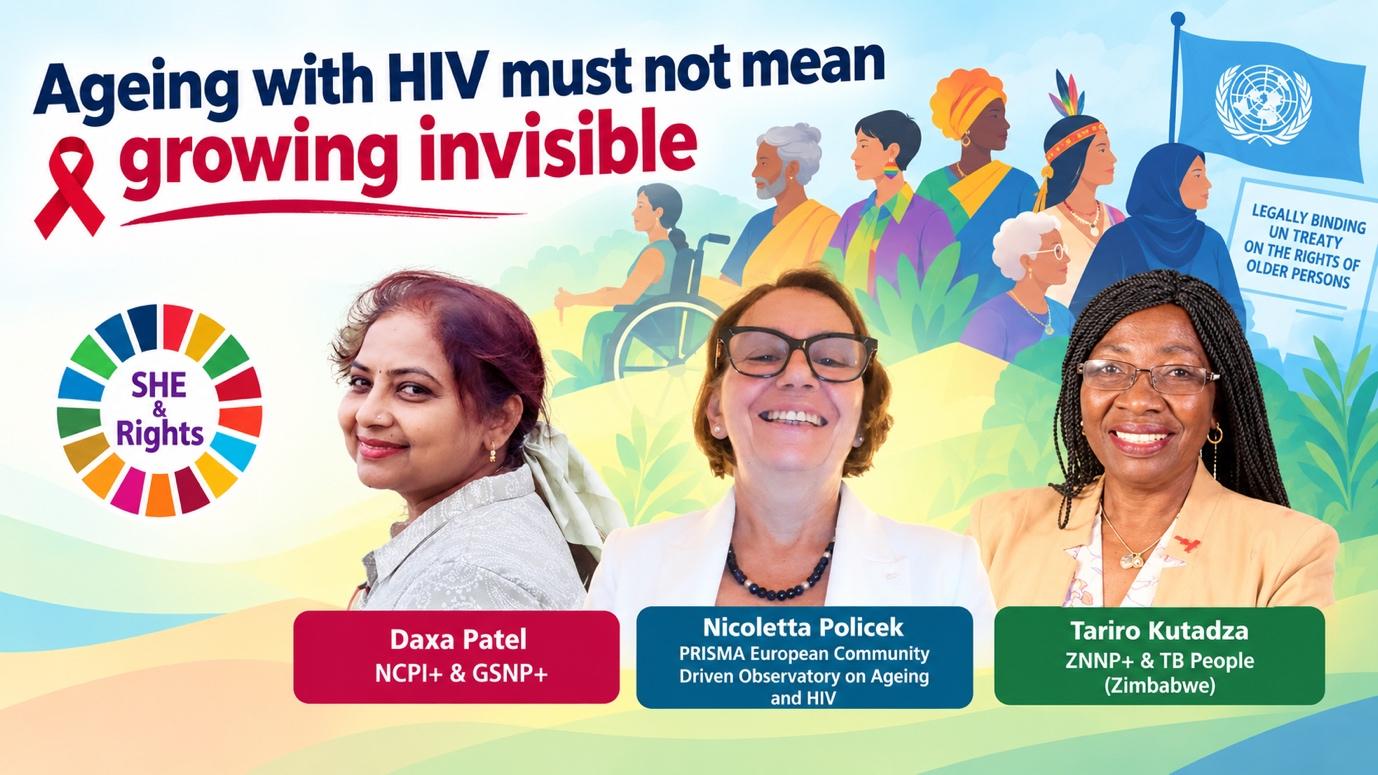
As long-term HIV survivors face stigma, fragmented healthcare and financial insecurity, community leaders call for a legally binding UN treat
Pakistan’s latest IMF bailout will not succeed without major cuts in the defense budget. EFSAS Commentary

In its recently published commentary, “Pakistan’s latest IMF bailout will not succeed without major cuts in the defense budget”, the European Foundation for South Asian Studies (EFSAS) comments on the International Monetary Fund’s (IMF) announcement that it had reached a Staff-Level Agreement with Pakistan for about $6 billion. If approved by the IMF’s Executive Board, it will be the 21st loan that Pakistan has taken from the IMF in the last 60 years, and the 13th bailout since 1988. Pakistan has borrowed over the years an astounding total of $27 billion from the IMF and it has already an existing $5.8 billion debt to the IMF from past programmes.
Prime Minister Imran Khan upon assuming his post last year first implored “friendly countries” to grant billions of dollars in loans because of apprehension of the stringent conditions that the IMF was likely to place in return for a bailout. However, despite managing to receive about $7 billion out of the “friendly countries”, the economic situation of Pakistan showed no sign of improvement. Quite the contrary, inflation spiked to over 8.8%, the Pakistani rupee lost a third of its value over the past year, and foreign exchange reserves depleted to an amount that was barely enough to cover two months of imports. This forced Khan to reconsider his earlier reluctance to fraternize with the IMF.
Pakistan's economy has been in the doldrums with escalating current account and fiscal deficits and uncompetitive low-value exports as well as imported machinery leading to an adverse balance of payments situation. Discontent has been brewing over recent measures Khan's government has taken, including devaluing the Pakistani rupee by about 30% since January 2018, which in turn sent inflation to a five-year high. In April, consumer price inflation stood at 8.8%, up from roughly 3.8% at the same time last year.
In its commentary EFSAS argues that it is no surprise, therefore, that the IMF has predicted that Pakistan’s GDP growth, which was 5.8% in 2018, will slow down to 2.9% in 2019 and hover around 3% in the midterm. The Pakistani rupee on 15 May hit an all-time low of 146.25 rupees against the US dollar amid looming fears of further devaluation.
Yet, as illustrated by EFSAS, although the IMF requires that Pakistan’s primary budget deficit needs to be brought down to 0.6% in the next budgetary year from about 2%, which would imply that the defense budget has to be cut down, given the power dynamics in Pakistan and the country’s track record, it is almost certain that this will not happen and ways will be unearthed by the establishment to circumvent it.
Prime Minister Imran Khan upon assuming his post last year first implored “friendly countries” to grant billions of dollars in loans because of apprehension of the stringent conditions that the IMF was likely to place in return for a bailout. However, despite managing to receive about $7 billion out of the “friendly countries”, the economic situation of Pakistan showed no sign of improvement. Quite the contrary, inflation spiked to over 8.8%, the Pakistani rupee lost a third of its value over the past year, and foreign exchange reserves depleted to an amount that was barely enough to cover two months of imports. This forced Khan to reconsider his earlier reluctance to fraternize with the IMF.
Pakistan's economy has been in the doldrums with escalating current account and fiscal deficits and uncompetitive low-value exports as well as imported machinery leading to an adverse balance of payments situation. Discontent has been brewing over recent measures Khan's government has taken, including devaluing the Pakistani rupee by about 30% since January 2018, which in turn sent inflation to a five-year high. In April, consumer price inflation stood at 8.8%, up from roughly 3.8% at the same time last year.
In its commentary EFSAS argues that it is no surprise, therefore, that the IMF has predicted that Pakistan’s GDP growth, which was 5.8% in 2018, will slow down to 2.9% in 2019 and hover around 3% in the midterm. The Pakistani rupee on 15 May hit an all-time low of 146.25 rupees against the US dollar amid looming fears of further devaluation.
Yet, as illustrated by EFSAS, although the IMF requires that Pakistan’s primary budget deficit needs to be brought down to 0.6% in the next budgetary year from about 2%, which would imply that the defense budget has to be cut down, given the power dynamics in Pakistan and the country’s track record, it is almost certain that this will not happen and ways will be unearthed by the establishment to circumvent it.
You May Also Like

Every year on 26 October, Accession Day marks a historic moment in Jammu and Kashmir’s history. In 1947, Maharaja Hari Singh signed the Instr
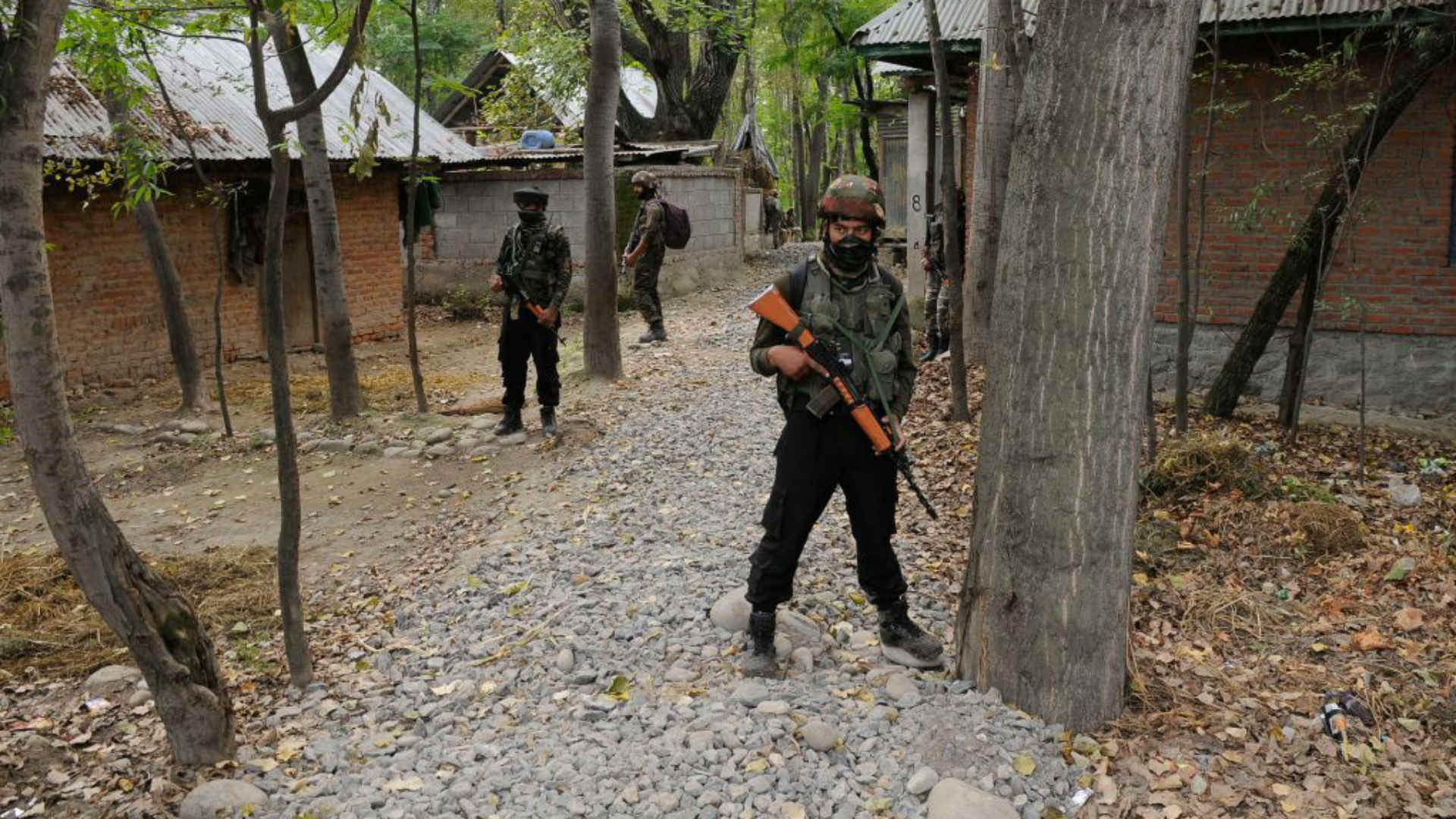
The dispute over Jammu and Kashmir remains unresolved nearly eight decades after the events of October 1947. Although the Government of India maint


PCP need your support that we may provide you better services: click on donate


"Trial of Pakistani Christian Nation" By Nazir S Bhatti
On demand of our readers, I have decided to release E-Book version of "Trial of Pakistani Christian Nation" on website of PCP which can also be viewed on website of Pakistan Christian Congress www.pakistanchristiancongress.org . You can read chapter wise by clicking tab on left handside of PDF format of E-Book.