
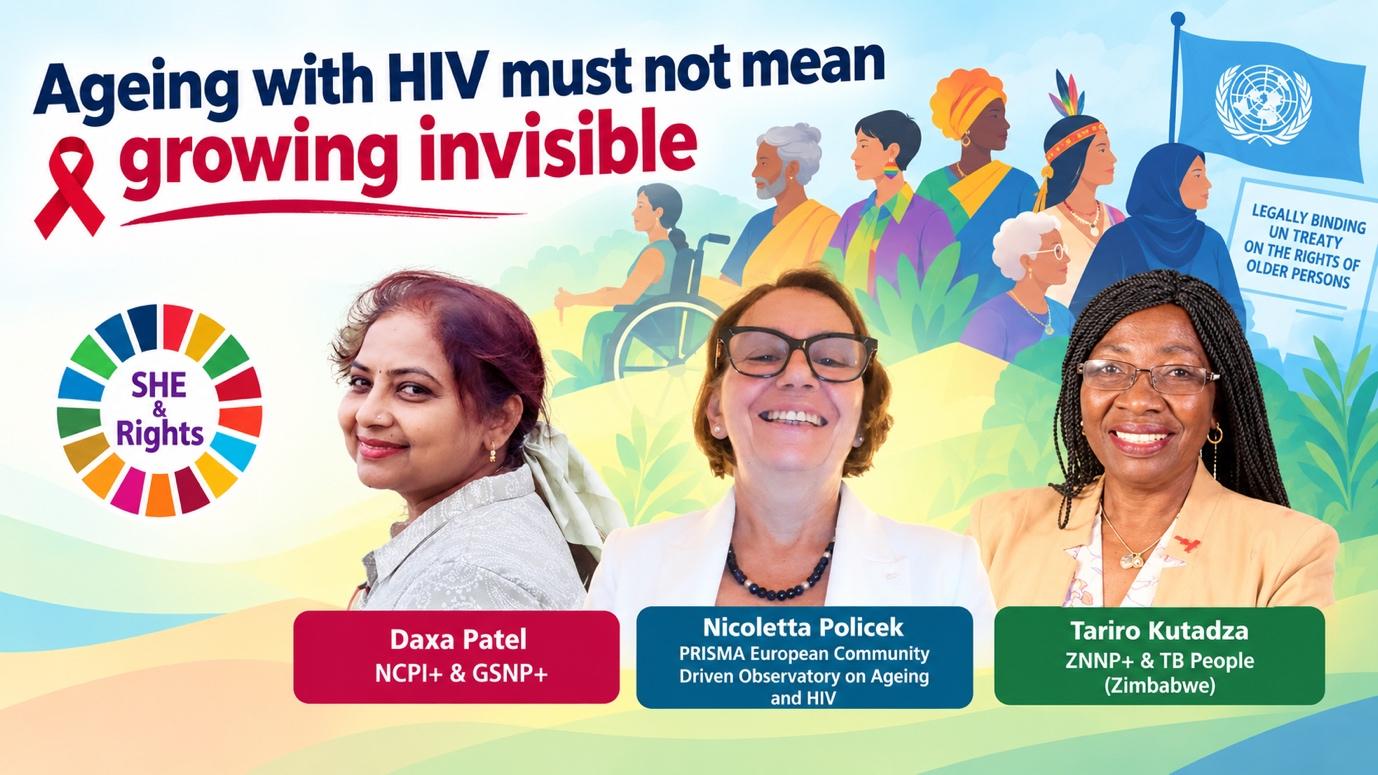
As long-term HIV survivors face stigma, fragmented healthcare and financial insecurity, community leaders call for a legally binding UN treat
Peace: More than absence of War? By Pritam K. Rohila, Ph.D

Most often peace is taken to mean a period of time, when there is no war or fighting. No wonder then that most peace workers spring into action when there is threat of a war breaking out, or when it has already started.
But this is a very limited concept of peace. In fact, peace is very comprehensive and, besides trans-national peace, it also includes personal peace, interpersonal peace, and environmental peace.
Personal peace is experienced when one is physically in good health, and mentally tranquil and stress-free.
Interpersonal peace results when relationships between individuals within a group, and between social groups are harmonious, and reflect compassion, tolerance, empathy, nonviolence, and respect for human rights and justice.
Environmental peace is a consequence of use and management of natural resources in such a way that healthy ecological balance and sustainable environment are maintained.
Once achieved, peace does not remain the same. Its depth and scope keeps changing. And ongoing effort by is required to maintain at the optimal level.
Peace is not a spectator sport. Instead it requires active participation. And more individuals are involved, the better it is.
To be effective the efforts should include activities which can generate appropriate intellectual, muscular, and emotional responses in others.
Peace is never useless. It must be beneficial to all involved.
Therefore, peace must be re-defined.
Hence, to me, peace is a dynamic and multidimensional state of relationships, within and between individuals, groups, nations, and with the environment, which is characterized by compassion, tolerance, empathy, nonviolence, respect and justice, and which leads to optimal benefit to all concerned.
(Dr. Pritam K. Rohila is the Executive Director of the Association for Communal Harmony in Asia (www.asiapeace.org). He can be reached at asiapeace@comcast.net)
But this is a very limited concept of peace. In fact, peace is very comprehensive and, besides trans-national peace, it also includes personal peace, interpersonal peace, and environmental peace.
Personal peace is experienced when one is physically in good health, and mentally tranquil and stress-free.
Interpersonal peace results when relationships between individuals within a group, and between social groups are harmonious, and reflect compassion, tolerance, empathy, nonviolence, and respect for human rights and justice.
Environmental peace is a consequence of use and management of natural resources in such a way that healthy ecological balance and sustainable environment are maintained.
Once achieved, peace does not remain the same. Its depth and scope keeps changing. And ongoing effort by is required to maintain at the optimal level.
Peace is not a spectator sport. Instead it requires active participation. And more individuals are involved, the better it is.
To be effective the efforts should include activities which can generate appropriate intellectual, muscular, and emotional responses in others.
Peace is never useless. It must be beneficial to all involved.
Therefore, peace must be re-defined.
Hence, to me, peace is a dynamic and multidimensional state of relationships, within and between individuals, groups, nations, and with the environment, which is characterized by compassion, tolerance, empathy, nonviolence, respect and justice, and which leads to optimal benefit to all concerned.
(Dr. Pritam K. Rohila is the Executive Director of the Association for Communal Harmony in Asia (www.asiapeace.org). He can be reached at asiapeace@comcast.net)
You May Also Like

Every year on 26 October, Accession Day marks a historic moment in Jammu and Kashmir’s history. In 1947, Maharaja Hari Singh signed the Instr
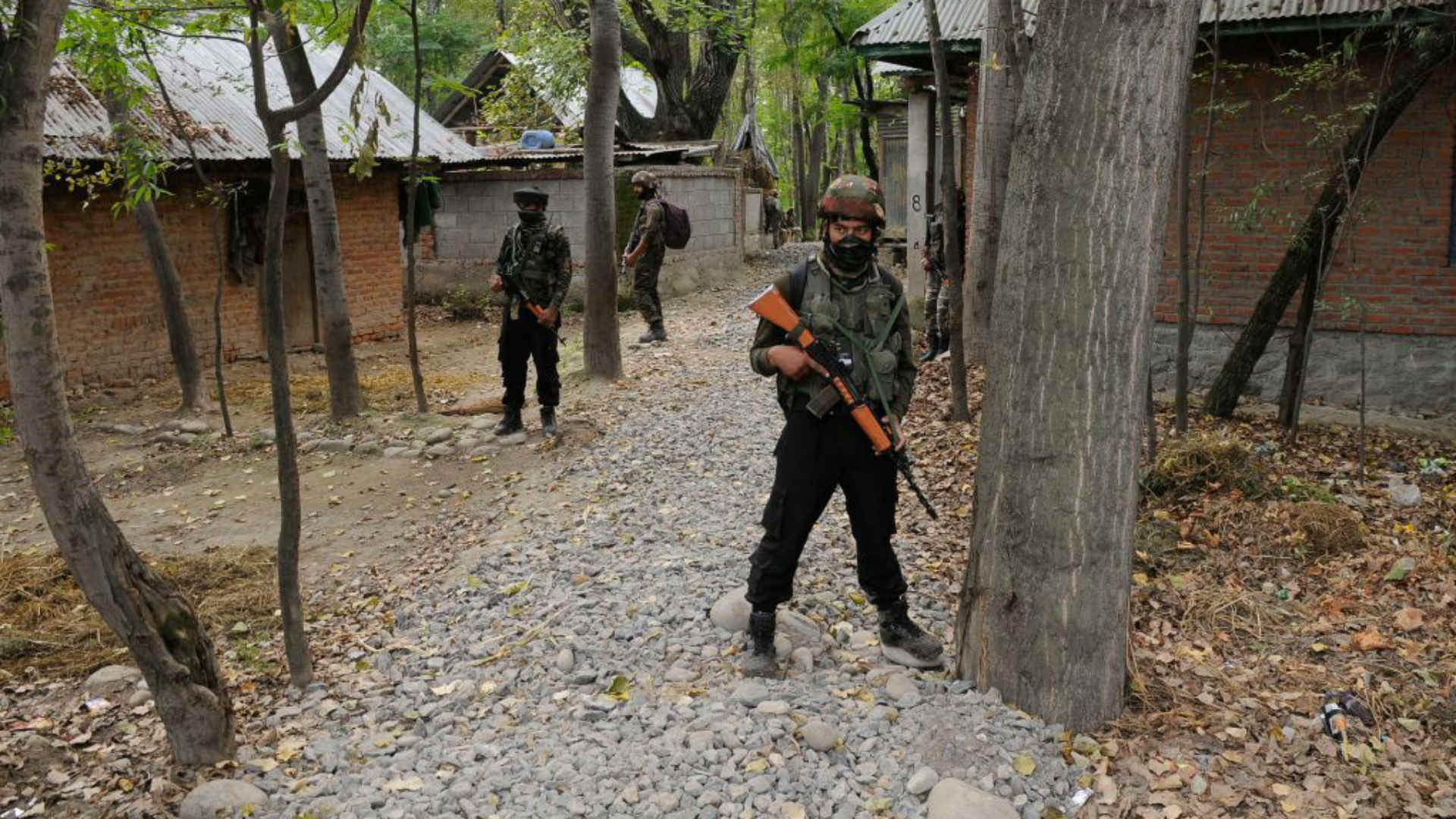
The dispute over Jammu and Kashmir remains unresolved nearly eight decades after the events of October 1947. Although the Government of India maint


PCP need your support that we may provide you better services: click on donate


"Trial of Pakistani Christian Nation" By Nazir S Bhatti
On demand of our readers, I have decided to release E-Book version of "Trial of Pakistani Christian Nation" on website of PCP which can also be viewed on website of Pakistan Christian Congress www.pakistanchristiancongress.org . You can read chapter wise by clicking tab on left handside of PDF format of E-Book.