
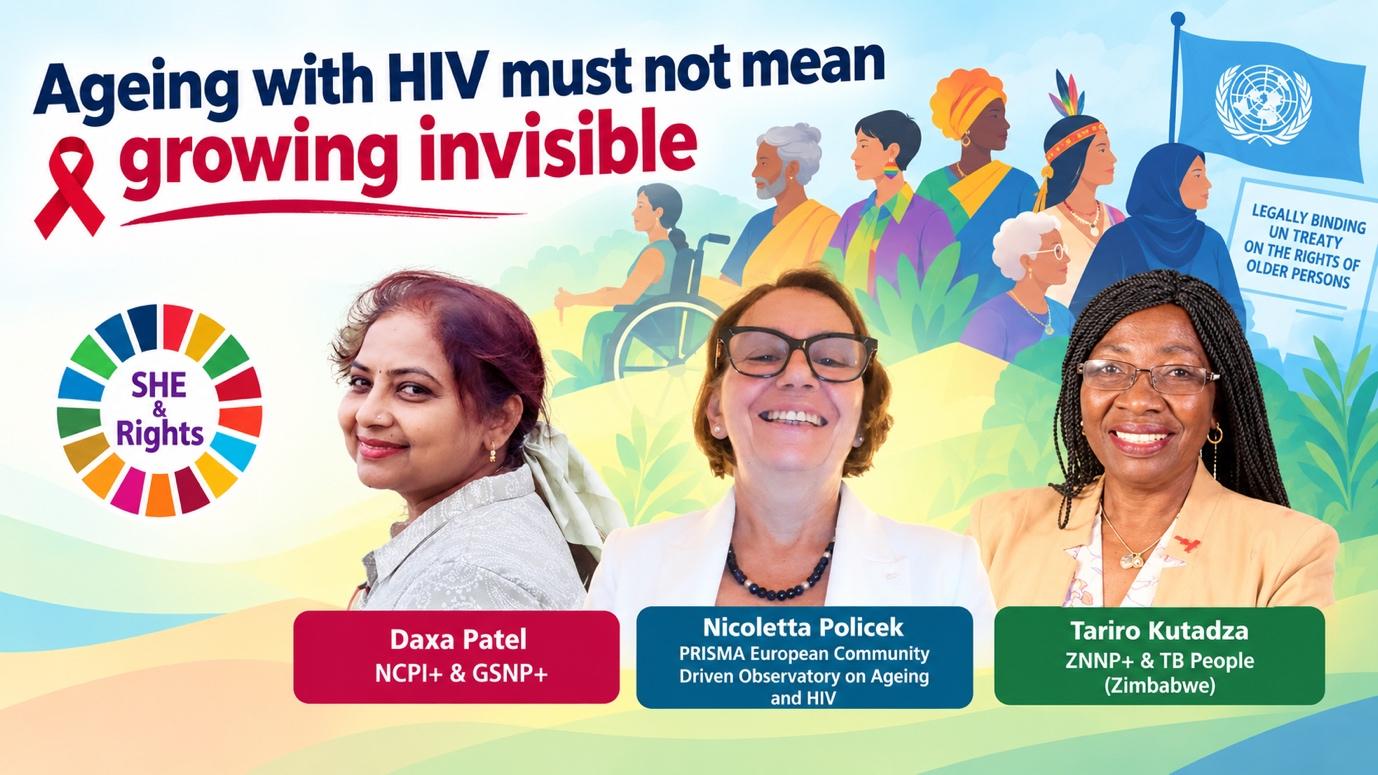
As long-term HIV survivors face stigma, fragmented healthcare and financial insecurity, community leaders call for a legally binding UN treat
National stop TB partnerships improve local responses. By Elisabetta Minelli

National partnerships to stop tuberculosis (TB) bring varied partners together to develop and implement shared action plans to tackle TB. The partnering process allows national partnerships to maximize the efforts of existing state and non-state actors; bring more services and awareness-raising campaigns to the people, where they are; give a unified voice to non-state partners; and serve as a platform to develop funding proposals and implement grants. If you do not already have a national partnership, now is right time to start. The financial crisis, TB-HIV co-infection and the rise of drug-resistant TB are stretching the resources of TB programmes around the world. This makes the case for founding a national partnership through the partnering process all the more compelling.
The partnering process consists of three steps: 1) conduct a workshop to confirm a shared vision between all partners and map the resources that each partner can contribute; 2) develop a shared national TB plan which has clear roles and responsibilities for each partner based on their strengths; 3) mobilize resources and implement a shared national TB plan. The added value of a partnering approach has been verified by existing national partnerships.
Swaziland Stop TB Partnership reports: "Thanks to the partnership, the national manager can focus on performing its core coordination role, while partners’ activities are streamlined through identification of areas of comparative advantage. The coordination of activities with the national TB strategic plan has been implemented and quarterly monitoring and evaluation meetings have been under taken. Through the partnership’s joint planning, additional resources have been secured, mainly from the Global Fund [to Fight AIDS, Tuberculosis and Malaria]."
(The author is the Partnership Officer, Stop TB Partnership, housed in the World Health Organization (WHO) and writes for Citizen News Service - CNS)
The partnering process consists of three steps: 1) conduct a workshop to confirm a shared vision between all partners and map the resources that each partner can contribute; 2) develop a shared national TB plan which has clear roles and responsibilities for each partner based on their strengths; 3) mobilize resources and implement a shared national TB plan. The added value of a partnering approach has been verified by existing national partnerships.
Swaziland Stop TB Partnership reports: "Thanks to the partnership, the national manager can focus on performing its core coordination role, while partners’ activities are streamlined through identification of areas of comparative advantage. The coordination of activities with the national TB strategic plan has been implemented and quarterly monitoring and evaluation meetings have been under taken. Through the partnership’s joint planning, additional resources have been secured, mainly from the Global Fund [to Fight AIDS, Tuberculosis and Malaria]."
(The author is the Partnership Officer, Stop TB Partnership, housed in the World Health Organization (WHO) and writes for Citizen News Service - CNS)
You May Also Like

Every year on 26 October, Accession Day marks a historic moment in Jammu and Kashmir’s history. In 1947, Maharaja Hari Singh signed the Instr

The dispute over Jammu and Kashmir remains unresolved nearly eight decades after the events of October 1947. Although the Government of India maint


PCP need your support that we may provide you better services: click on donate


"Trial of Pakistani Christian Nation" By Nazir S Bhatti
On demand of our readers, I have decided to release E-Book version of "Trial of Pakistani Christian Nation" on website of PCP which can also be viewed on website of Pakistan Christian Congress www.pakistanchristiancongress.org . You can read chapter wise by clicking tab on left handside of PDF format of E-Book.