
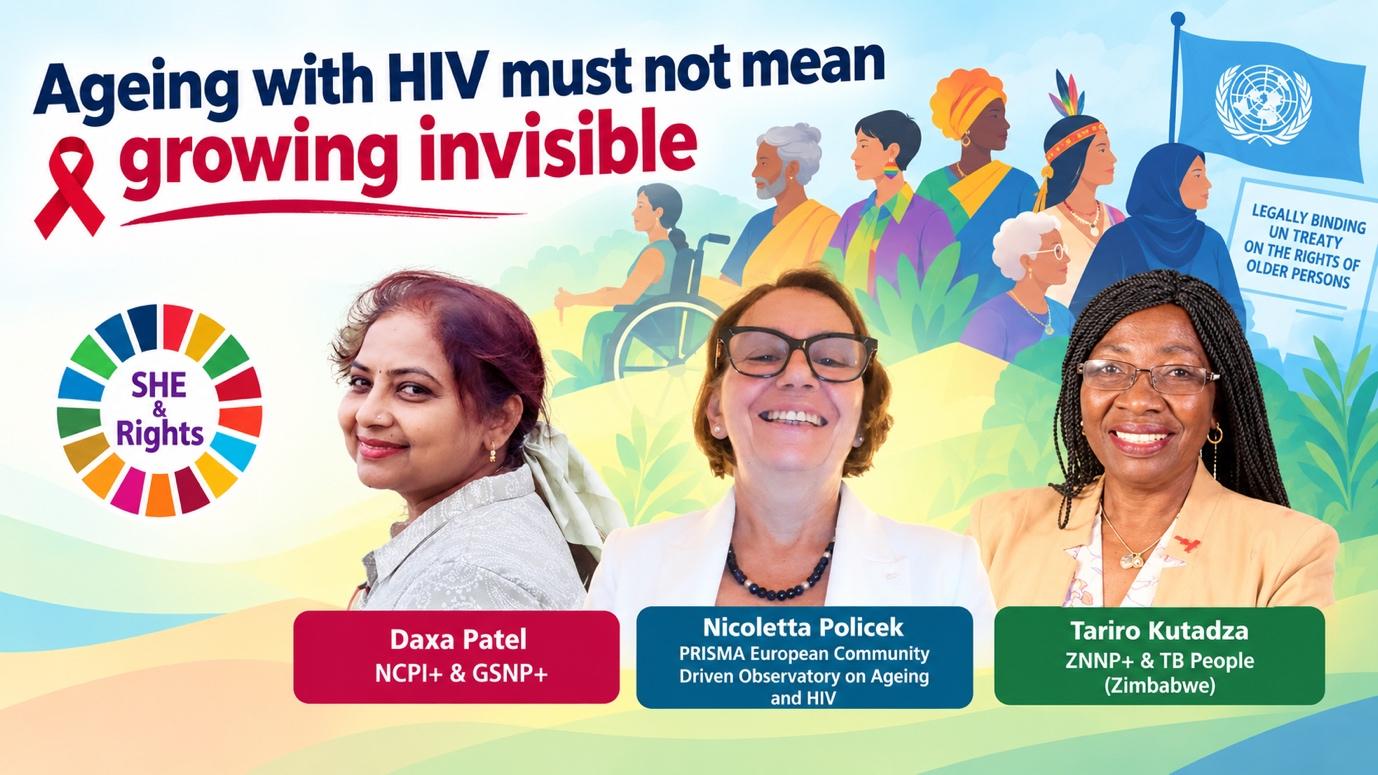
As long-term HIV survivors face stigma, fragmented healthcare and financial insecurity, community leaders call for a legally binding UN treat
Unite The Diverse Voices Of Key Affected Women and Girls. Shobha Shukla

The 10th International Congress on AIDS in Asia and the Pacific (10th ICAAP), which is being convened in Busan from 26th August to 30th August, 2011, promises to promote equal access to prevention, support, treatment and care for all people. It raises our hopes to address the needs and rights of key affected women and girls (who include those living with HIV, female sex workers, female drug users, transgender women, wives/partners of drug users, wives of men-who-have-sex-with-men - MSMs) in HIV programmes.
To ensure universal access to prevention, treatment and care it is essential that there be zero tolerance to gender based violence—mental as well as physical. In many countries the stigma and discrimination suffered by women and girls living with, or vulnerable to, HIV/AIDS results in lack of access to basic/reproductive healthcare services, loss of employment, denial of property rights, and social ostracism. This is particularly true of India and perhaps other countries of the subcontinent, where a common woe of women living with HIV was that they had contracted the disease from their husbands after marriage, and were subsequently thrown out of their in-laws house with no means to sustain them. Their biggest problem, apart from social stigma, is how to fend for themselves and their children. They find it almost impossible to fight court cases to get a share in the family property, despite the law being on their side.
As Paul Causey from Bangkok rightly remarks, "Access to basic legal services is essential to helping PLHIV women and their families obtain what the law provides for them (in most countries) but what society denies them: property ownership, employment opportunities and social protection coverage for basics like health care, food, water and shelter." Paul commented in an online consultation facilitated on key affected women and girls on SEA-AIDS (Asia Pacific regional eForum on HIV/AIDS) by the Asia Pacific Alliance for Sexual and Reproductive Health and Rights (APA) and Citizen News Service (CNS).
So HIV prevention programmes should take a human rights and gender sensitive approach while strengthening community and health systems. There is an urgent need for all countries to de-criminalize drug use and sex work and provide a friendly, safe and supportive healthcare service facility, including reproductive health services, for female injecting drug users (IDUs) and sex workers. Scaling up of gender sensitive harm reduction services for FIDUs and female partners of IDUs needs to be taken up.
Voices from Bangladesh and India in the above-mentioned online consultation lament that "the stigma in general healthcare services for female injecting drug users and female partners of injecting drug users is alarmingly high, and a friendly, safe and supportive healthcare service facility for them is a rare find. So we not only need to scale up harm reduction services but also make them gender sensitive to the needs of female IDUs and female partners of IDUs. There should be a comprehensive strategy of harm reduction, with separate intervention programs for this vulnerable community, specifically in areas where such communities exist."
Voices from Thailand and adjoining areas feel that focusing HIV prevention on sex work is the most cost-effective investment in Asia and the Pacific. The broad consensus achieved at the end of the first ever Regional Consultation on HIV and Sex Work, that took place in Pattaya last year, highlighted the need to address the rights and realities of sex workers from a human rights perspective with a focus on creating an enabling legal and policy environment, decriminalizing sex work, eliminating violence against sex workers, and including sex workers as partners in development and implementation of programmes.
Affected communities from male dominant societies of Nepal and India aver that Community Systems Strengthening can be done by building the capacity of affected women/girls, to make them competent enough to contribute effectively in programmes addressing their community by being involved in designing, implementing, and monitoring HIV policies/ programmes. An Indian voice felt that the challenge in the developing countries is to address the issue of having service providers of the same sex for women, particularly in socio-culturally restricted societies. It is imperative that affected women and girls be involved at each and every process in policy making, designing and delivery of national programmes.
This capacity building would require addressing the gender inequalities that make it harder for women to safeguard their sexual reproductive health. Millions of women live in societies that permit them no role in sexual decision-making, that condone male infidelity and assign the burden of shame associated with infectious diseases to women. Hence it becomes necessary to increase awareness about safe sex and sexually transmitted diseases like HIV/AIDS in not only key affected populations but in women and adolescent girls in general. They need to have access to safe and cheaply available contraceptive methods which they can initiate and use.
Kimberly Whipkey, Global Advocacy Specialist, Technology Solutions Global Program, PATH, rightly feels that, "We have a prevention technology available today - the female condom – which is designed specifically for women to initiate and use, and offers protection from HIV, other STIs, and pregnancy. Unfortunately, female condoms are not making it into the hands of most women, be they married women, migrant women, sex workers, rural women, or adolescents. As advocates, we should urge decision makers to endorse policies and funding that raise awareness of and access to more protection options for women. This also includes building the knowledge and skills of women so that they can use these technologies effectively."
Both HIV and sexual and reproductive ill-health is driven by many common root causes, including gender inequality, poverty and social marginalization of the most vulnerable populations. There is an urgent need to reaffirm the linkages and synergies between HIV and Sexual and Reproductive Health and their inter-relationships within broader issues of public health, development and human rights.
It is hoped that the 10th ICAAP, true to its theme of ‘Diverse Voices, United Action’, will pay heed to the voices of key affected women/girls, and develop a guidance note (to be implemented by all countries of the region) which would address gender-based violence and support the building of leadership in communities, particularly women living with HIV and key affected women. (CNS)
(The author is the Editor of Citizen News Service (CNS). She is a J2J Fellow of National Press Foundation (NPF) USA. She is also the Director of CNS Gender Initiative and CNS Diabetes Media Initiative (CNS-DMI). She has worked earlier with State Planning Institute, UP. Email: shobha@citizen-news.org, website: www.citizen-news.org)
To ensure universal access to prevention, treatment and care it is essential that there be zero tolerance to gender based violence—mental as well as physical. In many countries the stigma and discrimination suffered by women and girls living with, or vulnerable to, HIV/AIDS results in lack of access to basic/reproductive healthcare services, loss of employment, denial of property rights, and social ostracism. This is particularly true of India and perhaps other countries of the subcontinent, where a common woe of women living with HIV was that they had contracted the disease from their husbands after marriage, and were subsequently thrown out of their in-laws house with no means to sustain them. Their biggest problem, apart from social stigma, is how to fend for themselves and their children. They find it almost impossible to fight court cases to get a share in the family property, despite the law being on their side.
As Paul Causey from Bangkok rightly remarks, "Access to basic legal services is essential to helping PLHIV women and their families obtain what the law provides for them (in most countries) but what society denies them: property ownership, employment opportunities and social protection coverage for basics like health care, food, water and shelter." Paul commented in an online consultation facilitated on key affected women and girls on SEA-AIDS (Asia Pacific regional eForum on HIV/AIDS) by the Asia Pacific Alliance for Sexual and Reproductive Health and Rights (APA) and Citizen News Service (CNS).
So HIV prevention programmes should take a human rights and gender sensitive approach while strengthening community and health systems. There is an urgent need for all countries to de-criminalize drug use and sex work and provide a friendly, safe and supportive healthcare service facility, including reproductive health services, for female injecting drug users (IDUs) and sex workers. Scaling up of gender sensitive harm reduction services for FIDUs and female partners of IDUs needs to be taken up.
Voices from Bangladesh and India in the above-mentioned online consultation lament that "the stigma in general healthcare services for female injecting drug users and female partners of injecting drug users is alarmingly high, and a friendly, safe and supportive healthcare service facility for them is a rare find. So we not only need to scale up harm reduction services but also make them gender sensitive to the needs of female IDUs and female partners of IDUs. There should be a comprehensive strategy of harm reduction, with separate intervention programs for this vulnerable community, specifically in areas where such communities exist."
Voices from Thailand and adjoining areas feel that focusing HIV prevention on sex work is the most cost-effective investment in Asia and the Pacific. The broad consensus achieved at the end of the first ever Regional Consultation on HIV and Sex Work, that took place in Pattaya last year, highlighted the need to address the rights and realities of sex workers from a human rights perspective with a focus on creating an enabling legal and policy environment, decriminalizing sex work, eliminating violence against sex workers, and including sex workers as partners in development and implementation of programmes.
Affected communities from male dominant societies of Nepal and India aver that Community Systems Strengthening can be done by building the capacity of affected women/girls, to make them competent enough to contribute effectively in programmes addressing their community by being involved in designing, implementing, and monitoring HIV policies/ programmes. An Indian voice felt that the challenge in the developing countries is to address the issue of having service providers of the same sex for women, particularly in socio-culturally restricted societies. It is imperative that affected women and girls be involved at each and every process in policy making, designing and delivery of national programmes.
This capacity building would require addressing the gender inequalities that make it harder for women to safeguard their sexual reproductive health. Millions of women live in societies that permit them no role in sexual decision-making, that condone male infidelity and assign the burden of shame associated with infectious diseases to women. Hence it becomes necessary to increase awareness about safe sex and sexually transmitted diseases like HIV/AIDS in not only key affected populations but in women and adolescent girls in general. They need to have access to safe and cheaply available contraceptive methods which they can initiate and use.
Kimberly Whipkey, Global Advocacy Specialist, Technology Solutions Global Program, PATH, rightly feels that, "We have a prevention technology available today - the female condom – which is designed specifically for women to initiate and use, and offers protection from HIV, other STIs, and pregnancy. Unfortunately, female condoms are not making it into the hands of most women, be they married women, migrant women, sex workers, rural women, or adolescents. As advocates, we should urge decision makers to endorse policies and funding that raise awareness of and access to more protection options for women. This also includes building the knowledge and skills of women so that they can use these technologies effectively."
Both HIV and sexual and reproductive ill-health is driven by many common root causes, including gender inequality, poverty and social marginalization of the most vulnerable populations. There is an urgent need to reaffirm the linkages and synergies between HIV and Sexual and Reproductive Health and their inter-relationships within broader issues of public health, development and human rights.
It is hoped that the 10th ICAAP, true to its theme of ‘Diverse Voices, United Action’, will pay heed to the voices of key affected women/girls, and develop a guidance note (to be implemented by all countries of the region) which would address gender-based violence and support the building of leadership in communities, particularly women living with HIV and key affected women. (CNS)
(The author is the Editor of Citizen News Service (CNS). She is a J2J Fellow of National Press Foundation (NPF) USA. She is also the Director of CNS Gender Initiative and CNS Diabetes Media Initiative (CNS-DMI). She has worked earlier with State Planning Institute, UP. Email: shobha@citizen-news.org, website: www.citizen-news.org)
You May Also Like

Every year on 26 October, Accession Day marks a historic moment in Jammu and Kashmir’s history. In 1947, Maharaja Hari Singh signed the Instr
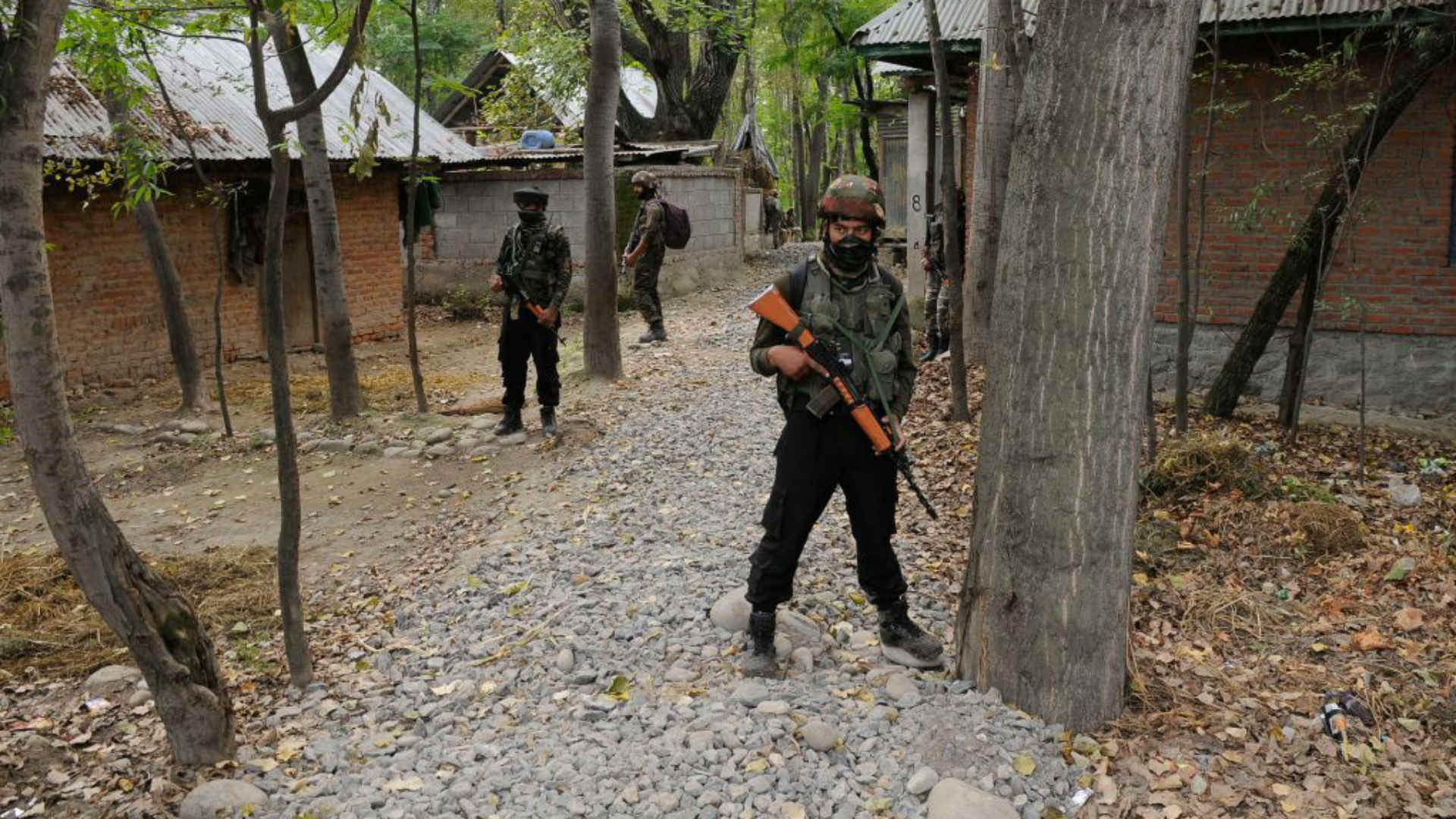
The dispute over Jammu and Kashmir remains unresolved nearly eight decades after the events of October 1947. Although the Government of India maint


PCP need your support that we may provide you better services: click on donate


"Trial of Pakistani Christian Nation" By Nazir S Bhatti
On demand of our readers, I have decided to release E-Book version of "Trial of Pakistani Christian Nation" on website of PCP which can also be viewed on website of Pakistan Christian Congress www.pakistanchristiancongress.org . You can read chapter wise by clicking tab on left handside of PDF format of E-Book.