
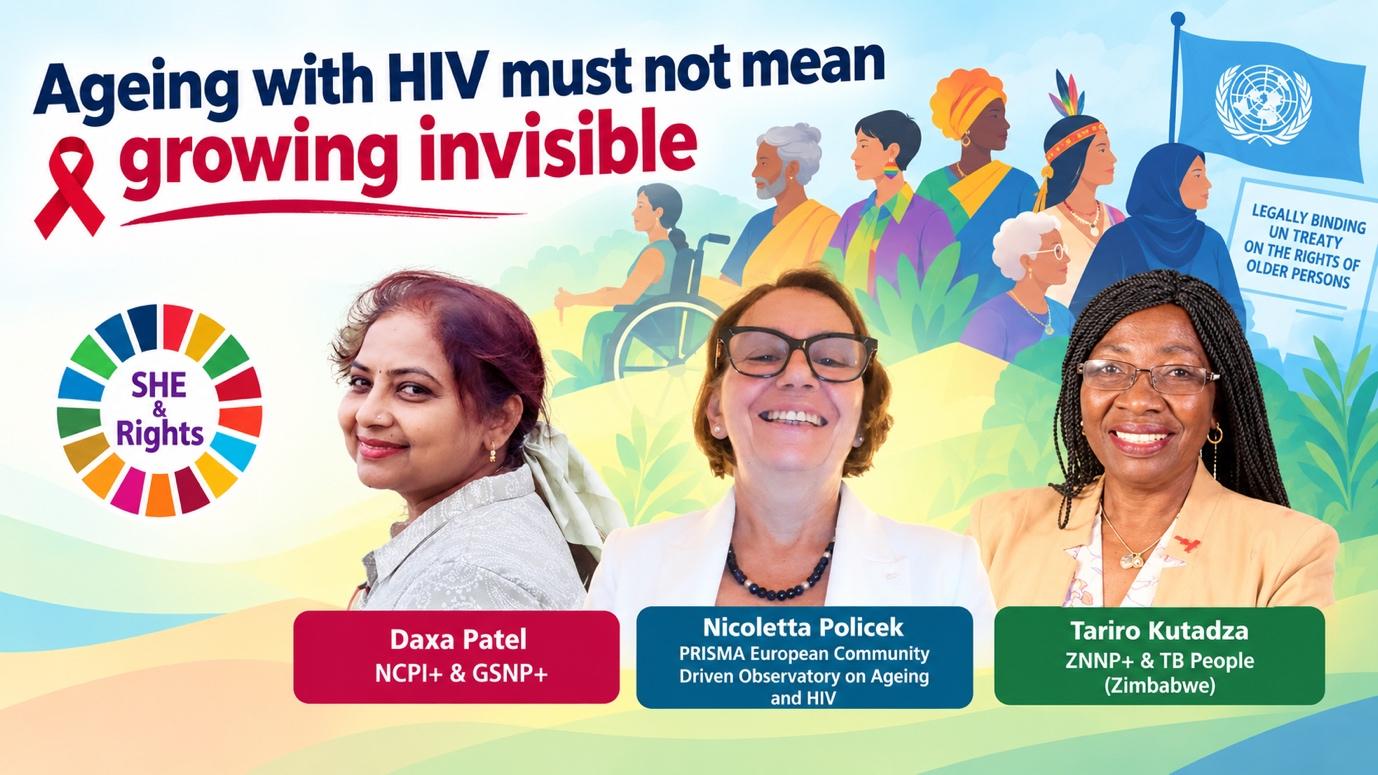
As long-term HIV survivors face stigma, fragmented healthcare and financial insecurity, community leaders call for a legally binding UN treat
North African bloggers get creative to evade censorship. By Sarra Grira

When confronted with free speech as an act of self-expression, authoritarian powers throughout history have tried to assert their legitimacy and remove threats to their rule through censorship. To achieve this, the censor has had to be quicker than the pen.
This task was relatively easy in the days of the printed word. However, today’s Internet revolution – especially blogs and other online social media – has turned the job of censorship into a censor's nightmare.
Gone are the days when newspaper dailies were seized before they hit the stalls and books were branded with the seal of interdiction in the printing shop. Due to email and blogs, words today are less expensive and, more importantly, circulate more easily and quickly to readers around the globe.
The blog is arguably a privileged means of expression: simple, accessible and personal, it serves as a notepad on which anyone can jot down their ideas for everyone to see. Bloggers’ concerns range from the colour of their summer holiday bikinis to local social issues and the fate of the latest political opponent arrested in one’s country. It is here where censorship meets its match.
For example, in Tunisia in November 2009 the arrest of Fatma Al Rihani, who has a blog “Arabica”, stunned the blogosphere and unleashed a wave of solidarity amongst Tunisian Internet users. And in January in Morocco, following a series of arrests of bloggers that had been writing about student demonstrations, Moroccan bloggers expressed their disapproval with a ”week of mourning” for the loss of freedom of speech in Morocco.
But censoring blogs does not always suppress information. Censorship may work in the short term, but the result is the opposite in the long term – thanks in large part to the “magic” of the Internet. Despite the difficulties censorship creates, some blogs soar to untold heights of popularity and countless hits once they return online after having been censored.
And there are other ways that bloggers provide information that censors might try to hide. The Internet offers infinite possibilities.
Two recent developments show bloggers’ innovations in avoiding censorship. First, becoming a “virtual refugee” is increasingly popular in the blogosphere. If your blog is censored, for example, you can request “refugee status” from a fellow blogger who will give you administrator privileges so you can publish your blog post on your friend’s page. Should the ploy become widespread, there would be no alternative at the government level but to decree a total blackout of the national blogosphere which would incite public outcry and make international news.
Second, bloggers circumvent potential censorship by “cross posting“, a manoeuvre that makes it possible to share the same content on several sites or networks. The latest post censored on your blog, for example, can be posted on your Facebook profile page with a link to your Twitter account for an optimal snowball effect in viewership.
To capitalise on these opportunities, Arab Internet users – whether bloggers or not – should increase their much-needed presence on the web. In a recent study by the Arab Network for Human Rights Information (ANHRI), an online site that contains information on human rights and various websites in the Middle East, reported that only a mere 58 million Arabs surf the web. The Maghreb takes the lead, with bloggers from this region accounting for nearly half this total.
There is no doubt that the blog removes barriers to freedom of expression and allows for easy access to and dissemination of information. For this reason alone, let us wish the blog a thriving future.
###
* Sarra Grira is a Tunisian Ph.D. student living in France. She is also a journalist for the online newspaper eMarrakech and blogs at http://www.courantalternatif.blogspot.com>www.courantalternatif.blogspot.com>. This article was written for the Common Ground News Service (CGNews).
This task was relatively easy in the days of the printed word. However, today’s Internet revolution – especially blogs and other online social media – has turned the job of censorship into a censor's nightmare.
Gone are the days when newspaper dailies were seized before they hit the stalls and books were branded with the seal of interdiction in the printing shop. Due to email and blogs, words today are less expensive and, more importantly, circulate more easily and quickly to readers around the globe.
The blog is arguably a privileged means of expression: simple, accessible and personal, it serves as a notepad on which anyone can jot down their ideas for everyone to see. Bloggers’ concerns range from the colour of their summer holiday bikinis to local social issues and the fate of the latest political opponent arrested in one’s country. It is here where censorship meets its match.
For example, in Tunisia in November 2009 the arrest of Fatma Al Rihani, who has a blog “Arabica”, stunned the blogosphere and unleashed a wave of solidarity amongst Tunisian Internet users. And in January in Morocco, following a series of arrests of bloggers that had been writing about student demonstrations, Moroccan bloggers expressed their disapproval with a ”week of mourning” for the loss of freedom of speech in Morocco.
But censoring blogs does not always suppress information. Censorship may work in the short term, but the result is the opposite in the long term – thanks in large part to the “magic” of the Internet. Despite the difficulties censorship creates, some blogs soar to untold heights of popularity and countless hits once they return online after having been censored.
And there are other ways that bloggers provide information that censors might try to hide. The Internet offers infinite possibilities.
Two recent developments show bloggers’ innovations in avoiding censorship. First, becoming a “virtual refugee” is increasingly popular in the blogosphere. If your blog is censored, for example, you can request “refugee status” from a fellow blogger who will give you administrator privileges so you can publish your blog post on your friend’s page. Should the ploy become widespread, there would be no alternative at the government level but to decree a total blackout of the national blogosphere which would incite public outcry and make international news.
Second, bloggers circumvent potential censorship by “cross posting“, a manoeuvre that makes it possible to share the same content on several sites or networks. The latest post censored on your blog, for example, can be posted on your Facebook profile page with a link to your Twitter account for an optimal snowball effect in viewership.
To capitalise on these opportunities, Arab Internet users – whether bloggers or not – should increase their much-needed presence on the web. In a recent study by the Arab Network for Human Rights Information (ANHRI), an online site that contains information on human rights and various websites in the Middle East, reported that only a mere 58 million Arabs surf the web. The Maghreb takes the lead, with bloggers from this region accounting for nearly half this total.
There is no doubt that the blog removes barriers to freedom of expression and allows for easy access to and dissemination of information. For this reason alone, let us wish the blog a thriving future.
###
* Sarra Grira is a Tunisian Ph.D. student living in France. She is also a journalist for the online newspaper eMarrakech and blogs at http://www.courantalternatif.blogspot.com>www.courantalternatif.blogspot.com>. This article was written for the Common Ground News Service (CGNews).
You May Also Like
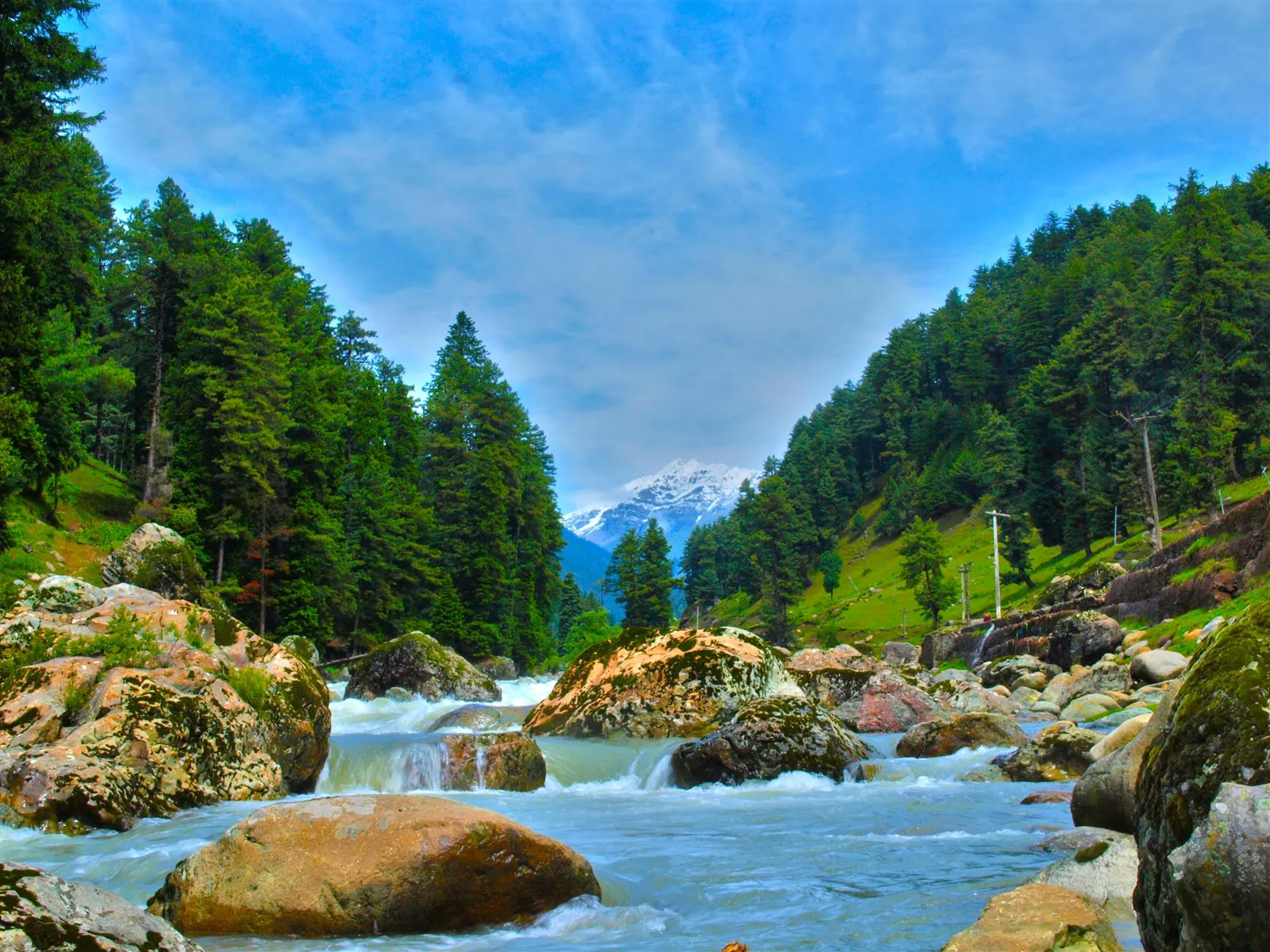
Every year on 26 October, Accession Day marks a historic moment in Jammu and Kashmir’s history. In 1947, Maharaja Hari Singh signed the Instr
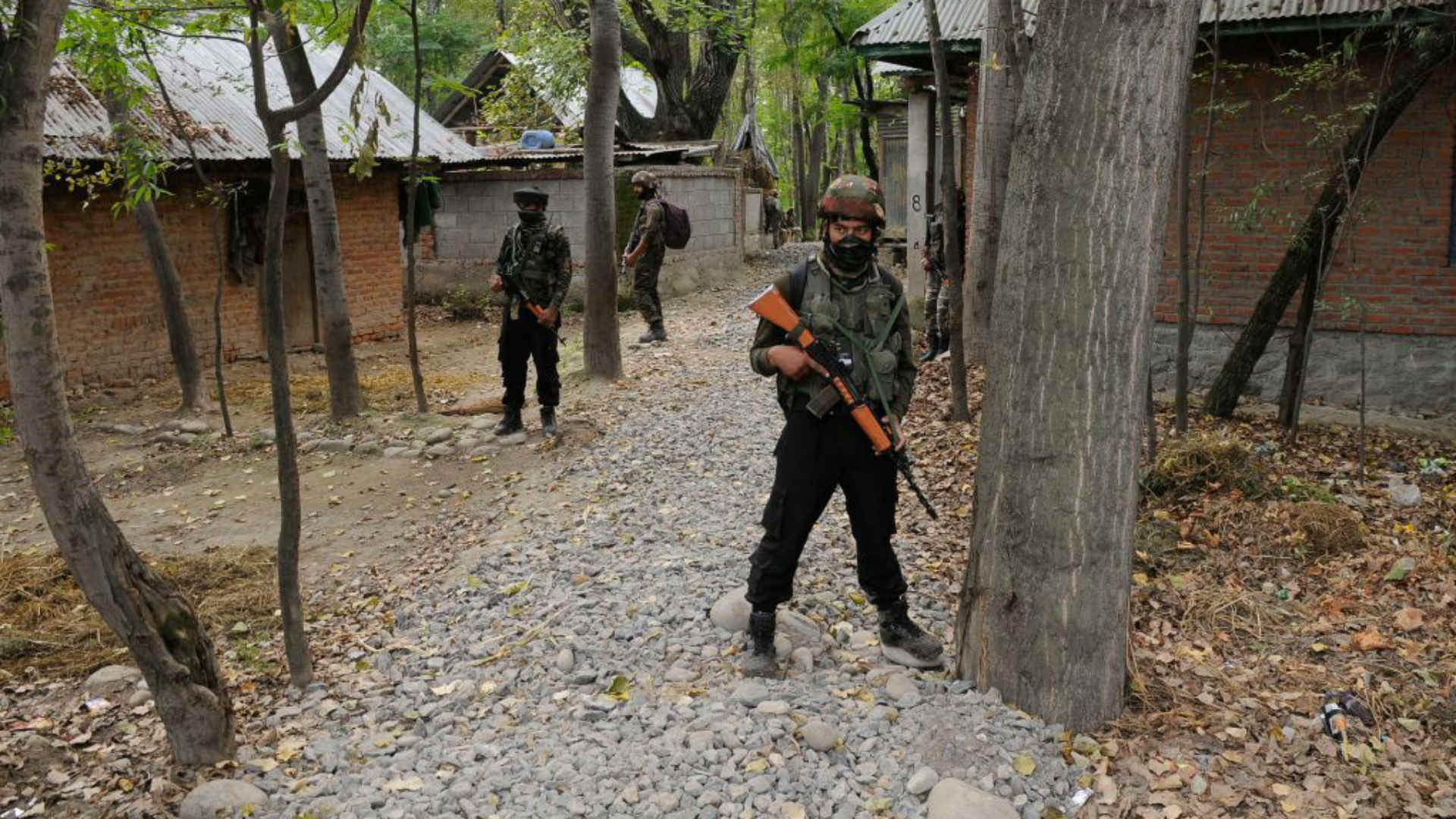
The dispute over Jammu and Kashmir remains unresolved nearly eight decades after the events of October 1947. Although the Government of India maint


PCP need your support that we may provide you better services: click on donate


"Trial of Pakistani Christian Nation" By Nazir S Bhatti
On demand of our readers, I have decided to release E-Book version of "Trial of Pakistani Christian Nation" on website of PCP which can also be viewed on website of Pakistan Christian Congress www.pakistanchristiancongress.org . You can read chapter wise by clicking tab on left handside of PDF format of E-Book.