
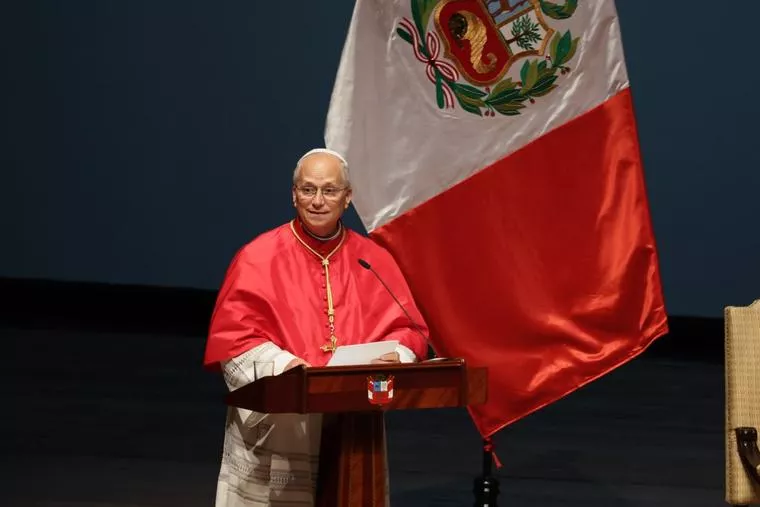
LIMA, Peru: (National Catholic Register) Pope Leo XIV arrived in Peru on Wednesday, Nov. 11, in a spectacular homecoming that drew an estimated thr
Justice must have no religion: ICJ landmark judgment reinforces global call to end the persecution of Christians worldwide
Sardar Mushtaq Gill, Christian human rights defender and lawyer, calls upon the United Nations, governments and international human rights institutions to strengthen protection for persecuted Christians and uphold religious freedom without discrim
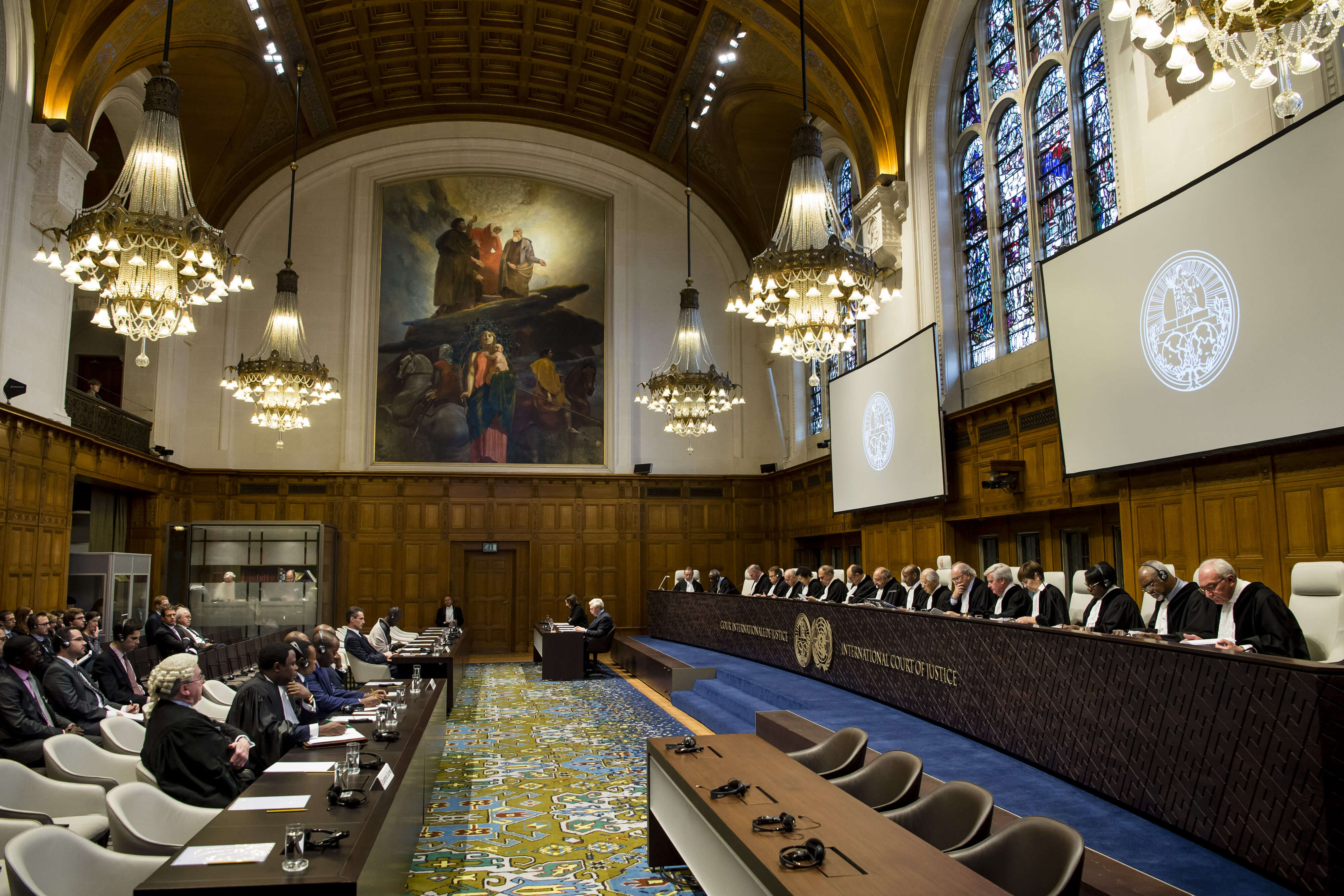
THE HAGUE, NETHERLANDS: The historic judgment delivered by the International Court of Justice (ICJ) on 19 November 2026 in The Gambia v. Myanmar marks an important moment in the international pursuit of justice, accountability and the protection of vulnerable communities.
The Court found that Myanmar committed genocide against the Rohingya population during the 2017 military clearance operations in northern Rakhine State, violating its obligations under the Convention on the Prevention and Punishment of the Crime of Genocide.
The Court also found violations of Myanmar's obligations to prevent and punish genocide and ordered measures concerning investigation, prosecution where warranted, prevention of further violations, guarantees of non-repetition and reparations for Rohingya victims. The judgment reinforces the importance of international accountability for grave human rights violations.
Welcoming the judgment, Sardar Mushtaq Gill, Christian human rights defender and lawyer, expressed solidarity with the Rohingya victims and emphasised that the international community must demonstrate the same commitment when addressing the persecution of Christians around the world.
He stated that international justice must not be selective and that the protection of religious minorities should never depend on political interests, geographical boundaries or religious identity.
"Justice must have no religion. The international community must recognise the suffering of every persecuted community, including Christians who face religious discrimination, violence, restrictions on worship and violations of their fundamental rights."
Christian persecution: A continuing international human rights concern
Despite international commitments to freedom of religion or belief, Christians in several countries reportedly continue to experience discrimination, intimidation, restrictions on religious practices and violence because of their religious identity.
According to international human rights and religious freedom reporting, these concerns include attacks on churches, arbitrary arrests, blasphemy accusations, forced conversions, abductions, forced marriages, killings and restrictions on religious gatherings.
Christian converts from Islam reportedly face particular difficulties in some countries, including social exclusion, family pressure, threats and possible prosecution.
In other regions, extremist organisations have deliberately targeted Christian communities through terrorist attacks, kidnappings, village raids and the destruction of religious institutions.
The United States Commission on International Religious Freedom (USCIRF), in its 2026 Annual Report, identified numerous countries where it considers religious freedom violations sufficiently serious to warrant particular international attention.
Gill called upon the United Nations, national governments and international human rights organisations to strengthen monitoring, documentation, protection and accountability concerning reported abuses against Christians.
Pakistan: Christians facing blasphemy accusations, mob violence and discrimination
Pakistan remains a significant focus of international concern regarding the protection of Christian minorities.
According to human rights organisations, Christians have faced blasphemy accusations, mob violence, attacks on churches, discrimination and reported cases of abduction, forced marriage and alleged forced religious conversion.
The attacks against Christian communities in Jaranwala in August 2023 remain a particularly disturbing example of religious intolerance and collective violence.
Following allegations of blasphemy, mobs attacked churches, Christian homes and properties, leaving families traumatised and communities fearful for their safety.
The Human Rights Commission of Pakistan and other rights organisations have documented the consequences of the violence and called for accountability and protection for affected communities.
Christian women and girls have also been the subject of serious concerns involving reported abductions, coercion, forced marriages and alleged religious conversions.
USCIRF's 2026 Annual Report again recommended that Pakistan be designated a Country of Particular Concern because of what it assessed as particularly severe violations of religious freedom.
Gill urged the Pakistani authorities to strengthen the protection of Christian communities, prevent the misuse of blasphemy laws, investigate mob attacks and ensure that perpetrators are brought before impartial courts.
He also called for stronger legal protection for Christian women and girls against abduction, coercion and forced marriage.
Iran and Afghanistan: Reported restrictions on Christian communities
The situation of Christians in Iran and Afghanistan continues to raise serious international human rights concerns.
According to international religious freedom reporting, Christian converts from Islam and members of independent house churches in Iran have reportedly faced arrests, interrogation, imprisonment and restrictions on religious activities.
Concerns have also been raised about the treatment of Christian communities that operate outside officially recognised religious structures.
In Afghanistan, Christians, particularly converts from Islam, reportedly face extreme vulnerability under the Taliban's interpretation and enforcement of religious rules.
International religious freedom organisations have documented concerns about the risks of intimidation, violence and punishment facing individuals who practise Christianity.
USCIRF's 2026 Annual Report recommended that both Iran and Afghanistan be designated Countries of Particular Concern.
Gill called upon the international community to maintain attention on the situation of Christians in these countries and advocate for their right to practise their religion peacefully without fear of persecution.
Saudi Arabia: Religious freedom and restrictions on Christian worship
The situation of Christians in Saudi Arabia deserves continued international attention.
According to USCIRF's May 2026 country update, the Saudi government continues to impose significant restrictions on religious freedom, affecting Christians, Shi'a Muslims and other religious dissenters.
Public non-Muslim worship is restricted, and Christians do not have the same freedom to establish public churches as Muslim religious institutions enjoy.
Although certain private Christian gatherings have reportedly been permitted under restrictive conditions, concerns remain about the ability of Christians to organise and practise their religion openly.
In its 2026 Annual Report, USCIRF recommended that the United States designate Saudi Arabia as a Country of Particular Concern.
This is a recommendation by the independent US commission and should be distinguished from a separate final designation by the US government.
Gill called upon Saudi authorities to review restrictions on peaceful Christian worship and provide greater protection for Christian residents and foreign workers who wish to practise their faith.
He emphasised that religious freedom should include the right to conduct peaceful religious gatherings, establish appropriate places of worship and express one's beliefs without discrimination.
Qatar: Christian worship and the need for equal religious protection
Qatar has permitted certain recognised Christian denominations to conduct public worship within the government-approved Mesaymeer Religious Complex in Doha.
However, according to USCIRF's 2026 reporting, restrictions remain for unregistered religious groups and certain religious activities.
Concerns have also been raised about the treatment of converts from Islam, the monitoring of religious activities and limitations affecting religious communities without official recognition.
USCIRF recommended that Qatar be placed on its Special Watch List because of what it assessed as serious religious freedom violations.
This recommendation is an assessment by USCIRF and should not be confused with a separate final decision by the US government.
Gill urged Qatar to strengthen legal protections for Christian communities and ensure that peaceful religious activities are respected without unnecessary restrictions.
He emphasised that recognition of certain churches should not prevent other Christian communities from seeking equal treatment and appropriate opportunities to practise their faith.
International religious funding and the principle of reciprocity
Gill also highlighted the importance of transparency in international religious and charitable funding.
Saudi Arabia has historically supported Islamic educational institutions, mosque construction, scholarships, religious literature and Islamic organisations in various Western and Asian countries.
Historical research and media investigations have reported substantial expenditure on international Islamic educational and religious initiatives over several decades. However, estimates vary, and historical figures should not be presented as verified current expenditure.
Qatar also maintains significant international charitable activities. According to its official 2024 Regulatory Authority for Charitable Activities Annual Report, external financial transfers by charitable associations and private foundations amounted to approximately QAR 1.17 billion.
The report identifies these transfers as funding for charitable projects and humanitarian assistance. They should not be represented as expenditure exclusively on Islamic religious propagation.
Gill stressed that international religious and charitable activities should operate transparently and respect the religious freedom of all communities.
He raised the question of reciprocity in religious freedom: if Muslim communities living as minorities in Western countries and Asian nations are entitled to establish mosques, conduct religious gatherings and promote their faith peacefully, Christians living in Muslim-majority countries should also enjoy meaningful opportunities to practise their religion.
He clarified that his position is not directed against Islam, Muslims or peaceful Islamic charitable and educational activities.
Rather, it is a call for equal treatment under internationally recognised human rights principles.
"Religious freedom cannot be a one-directional principle. The rights enjoyed by Muslims as minorities in Western and Asian countries must also be respected for Christians living in Saudi Arabia, Qatar and other countries where religious restrictions remain a concern. Every individual deserves equal protection and the freedom to practise their religion peacefully."
Nigeria: Christian communities facing killings, abductions and displacement
Nigeria remains one of the most serious areas of concern regarding violence against Christian communities.
In northern and central regions, Christian populations have reportedly experienced killings, abductions, attacks on churches, destruction of villages and forced displacement.
Extremist organisations, including Boko Haram and the Islamic State West Africa Province (ISWAP), have committed serious atrocities against civilian populations, including Christians and Muslims.
In a statement issued on 8 June 2026, United Nations human rights experts raised concerns about credible reports of killings, abductions, sexual violence, forced conversion, forced marriage and other violations affecting Christian and other religious minority women and girls in Nigeria.
The experts specifically highlighted concerns about the security situation in northern Nigeria and the Middle Belt, including the activities of armed extremist groups and inadequate protection for vulnerable communities.
USCIRF's 2026 Annual Report also documented serious religious freedom concerns in Nigeria.
Among the particularly disturbing incidents was the June 2025 attack in Yelwata, Benue State. USCIRF reported that at least 100 men, women and children were killed, many of whom were internally displaced people sheltering at a Catholic mission.
The continued captivity of Leah Sharibu, who was abducted by Boko Haram in 2018, remains a deeply troubling example of the vulnerability of Christian schoolgirls.
Gill called upon the Nigerian government and international partners to strengthen civilian protection, investigate reported attacks independently, secure the release of abducted people and ensure accountability for perpetrators.
He also stressed that responsibility must be established through credible evidence and that no entire ethnic or religious population should be collectively blamed for the actions of particular individuals or armed organisations.
Christian persecution across other African nations
Beyond Nigeria, Christian communities in Burkina Faso, Mali, the Democratic Republic of the Congo, Somalia and Mozambique have also reportedly experienced serious violence associated with extremist insurgencies and armed groups.
In eastern Democratic Republic of the Congo, the Allied Democratic Forces, associated with Islamic State's Central African Province, have been linked to deadly attacks against civilian populations.
In the Sahel region, extremist violence has contributed to insecurity, displacement and the destruction of communities.
In northern Mozambique, insurgent attacks have reportedly forced families to abandon their homes, livelihoods and places of worship.
These developments require sustained international monitoring, humanitarian assistance and accountability.
Gill urged African governments, the United Nations and international human rights organisations to strengthen protection for Christian communities and other vulnerable civilian populations.
He called for impartial investigations into attacks against churches, religious leaders and Christian villages, with those responsible brought before competent courts in accordance with the law.
Christian women and girls: The need for stronger international protection
Gill expressed particular concern about the reported vulnerability of Christian women and girls in countries where religious minorities face discrimination and violence.
According to reports by international human rights organisations, concerns include abduction, forced marriage, sexual violence, coercion and alleged forced religious conversion.
In Pakistan and Nigeria, Christian women and girls have been the subject of specific concerns raised by international human rights experts and religious freedom organisations.
The United Nations experts' June 2026 statement on Nigeria highlighted the particular risks faced by Christian and other religious minority women and girls.
Gill called for stronger legal safeguards, independent investigations, effective access to justice and appropriate protection for survivors.
He emphasised that women and girls belonging to religious minorities must be able to exercise their fundamental rights without fear of violence, coercion or discrimination.
International law and the protection of persecuted Christians
International law establishes important protections for Christians and all other religious communities.
Article 18 of the Universal Declaration of Human Rights protects freedom of thought, conscience and religion.
Article 18 of the International Covenant on Civil and Political Rights protects the right to have or adopt a religion or belief and to manifest it individually or collectively, in public or private, subject to the limitations permitted by international law.
The Genocide Convention establishes obligations to prevent and punish genocide. International humanitarian and criminal law also provide protections against attacks on civilians and other serious crimes where the relevant legal requirements are met.
Gill called upon governments to implement these obligations and ensure that religious minorities receive equal protection under the law.
He emphasised that reported religious persecution must be investigated through credible and independent processes, with appropriate remedies for victims and accountability for those responsible.
An appeal to the United Nations and international community
Sardar Mushtaq Gill called upon the United Nations, governments, international human rights institutions and religious freedom organisations to:
Support the full implementation of the ICJ judgment concerning the Rohingya population.
Strengthen international monitoring and documentation of reported persecution against Christians worldwide.
Promote the protection of Christian minorities in Pakistan, Iran, Afghanistan, Saudi Arabia, Qatar and other countries where religious freedom concerns have been documented.
Demand impartial investigations into reported killings, abductions, forced marriages and attacks on churches.
Strengthen legal protection for Christian women and girls facing coercion, sexual violence and alleged forced conversion.
Ensure accountability for individuals and extremist organisations responsible for attacks against Christian communities.
Encourage transparency in international religious funding and equal treatment of religious minorities across national borders.
Support displaced Christian families and survivors of religious violence through appropriate humanitarian and legal assistance.
Challenge religious extremism, discrimination and incitement to violence, irrespective of the religious or ideological justification offered.
Promote international cooperation between Christian, Muslim and other religious communities in defence of fundamental human rights.
He further appealed to religious leaders, lawyers, human rights defenders and civil society organisations to stand together against religious persecution.
A Christian human rights defender’s commitment to universal justice
Sardar Mushtaq Gill emphasised that his lifetime commitment to defending Christians does not mean ignoring the suffering of people belonging to other religions.
The ICJ judgment concerning the Rohingya provides an important reminder that the protection of human dignity must extend to everyone.
He maintained that defending the rights of Christians and other religious minorities is a matter of fundamental human rights, not religious hostility.
His position is that governments must respect the religious freedom of their populations, protect vulnerable communities and ensure that individuals are not discriminated against because of their beliefs.
He called for a consistent international approach in which the persecution of Christians receives serious attention alongside other grave human rights violations.
JUSTICE MUST HAVE NO RELIGION
The international community must not remain silent when Christians are reportedly murdered, abducted, imprisoned or driven from their homes because of their religious beliefs.
The concerns affecting Christian communities in Pakistan, Iran, Afghanistan, Nigeria and other African countries deserve sustained international attention.
Documented restrictions on Christian worship in Saudi Arabia and Qatar also deserve continued scrutiny through credible international human rights mechanisms.
The protection of persecuted Christians is not an attack on Islam or any other religion. It is a defence of fundamental human rights, equality and the dignity of every individual.
Concluding his appeal, Gill reaffirmed:
“Justice must have no religion. Human dignity must have no borders. Religious freedom must have no double standards.
The international community must stand against the persecution of Christians wherever credible evidence establishes that it occurs. No Christian should be denied the right to worship, no religious community should be abandoned because of its identity, and no perpetrator should enjoy impunity.
Human rights are universal. Religious freedom is universal. The protection of persecuted Christians must receive the serious and sustained international attention it deserves.”
By Sardar Mushtaq Gill | Human Rights Defender & Lawyer | Founder & International Advocacy Director, LEAD Ministries
You May Also Like
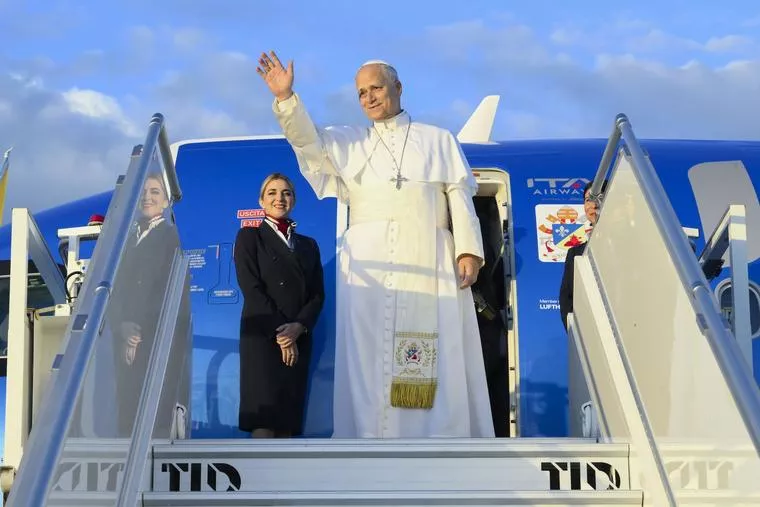
Vatican City: (National Catholic Register) The book Stories in Flight: 80 Years of Air Transport in Italy recounts stories of flying with the popes
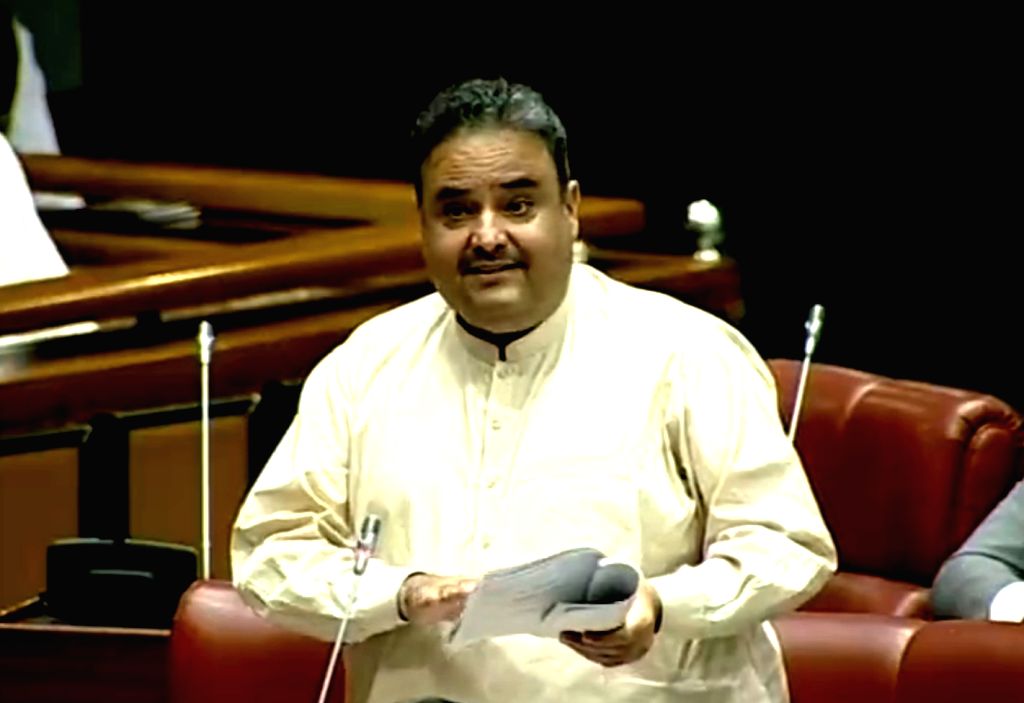
ISLAMABAD, Pakistan: Sardar Mushtaq Gill, Human Rights Defender, Lawyer, Founder and International Advocacy Director of LEAD Ministries, has strong


PCP need your support that we may provide you better services: click on donate


"Trial of Pakistani Christian Nation" By Nazir S Bhatti
On demand of our readers, I have decided to release E-Book version of "Trial of Pakistani Christian Nation" on website of PCP which can also be viewed on website of Pakistan Christian Congress www.pakistanchristiancongress.org . You can read chapter wise by clicking tab on left handside of PDF format of E-Book.