

Lahore: Forced Conversion to Islam for Marriage Is a Serious Human Rights Concern. No religion, tradition, or social practice can justify coercion,
Rwadari Tehreek Pakistan urges the Punjab Chief Minister to frame rules under the Child Marriage Restraint Act 2026
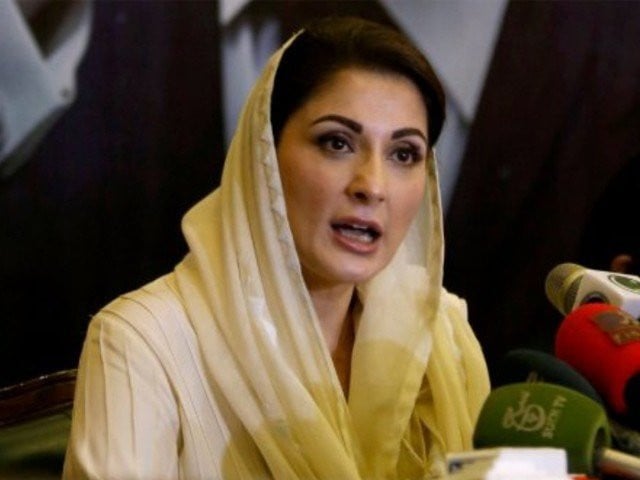
LAHORE: Rwadari Tehreek Pakistan has written an open letter, signed by its Chairman Mr. Samson Salamat, to Chief Minister Punjab Maryam Nawaz Sharif, urging the Government of Punjab to frame and notify the rules under the Punjab Child Marriage Restraint Act 2026 without any further delay. The letter appreciates the Government of Punjab for enacting this historic legislation in April 2026, establishing 18 years as the minimum age of marriage for both boys and girls.
Rwadari Tehreek Pakistan, in its position paper issued on May 11, 2026, had called for comprehensive rules that clearly operationalize the prohibition of marriage under 18 years, with no exceptions. However, the letter points out that the rules for this newly enacted law have not yet been framed, which is essential for its effective enforcement.
Until the law is fully operationalized through comprehensive and well-defined rules, forced and underage marriages and forced conversions will continue unabated, and the heaviest price will continue to be paid by girls from marginalized communities, including minority girls. Without rules, a Nikah registrar has no clear duty of age verification, a police officer has no SOP to follow, and a court has no protocol to decide within the time the law allows.
Rwadari Tehreek Pakistan noted that the recent case of Maria Shahbaz in Lahore, whose NADRA record according to the review petition gives her date of birth as October 7, 2012, shows what happens when the protection of a child depends on discretion and not on clear procedure.
Chairman Rwadari Tehereek has respectfully urged the Chief Minister to frame and notify the rules on an urgent basis, and suggests that they include the following:
· No marriage to be solemnized without verified CNICs or NADRA Form-B, and the Nikah registration system to be linked with NADRA to block entries where either party is under 18.
· Clear procedures for the cancellation of licenses, disqualification and penalties for Nikah registrars, parents or guardians and facilitators who violate the age limit.
· SOPs to treat child marriage as a cognizable, non-bailable and non-compoundable offence, so that out-of-court settlements are not possible.
· Fast-track protocols for trial within the legally mandated 90 days, age to be determined through verified documents and not physical appearance, a child’s forced statement or coerced consent not to decide custody or protective orders, and delayed reporting to remain admissible.
· A child marriage, once proved, to be declared null and void, including where it follows a religious conversion of a person under 18.
· Mechanisms to determine and enforce accountability for judges who validate or endorse child marriages.
· Task forces of the Punjab Police and the Child Protection and Welfare Bureau to stop the transportation of children for marriage.
· Complaint cells, helplines and protection services, community-level monitoring through district administrations, and awareness campaigns involving religious leaders, educators and the media.
The central question, Rwadari Tehreek Pakistan stressed upon, remains the same: when there is a law, why do child marriages still exist? The answer lies in implementation, and every day without rules is a day on which children remain exposed to the practice the law prohibits.
Chairman Rwadari Tehreek expressed his confidence that, with the Chief Minister’s kind attention and initiatives, Punjab will set a strong precedent in eliminating child marriage through decisive implementation, ensuring that no child remains unprotected merely because a law was enacted but its rules were not framed.
You May Also Like
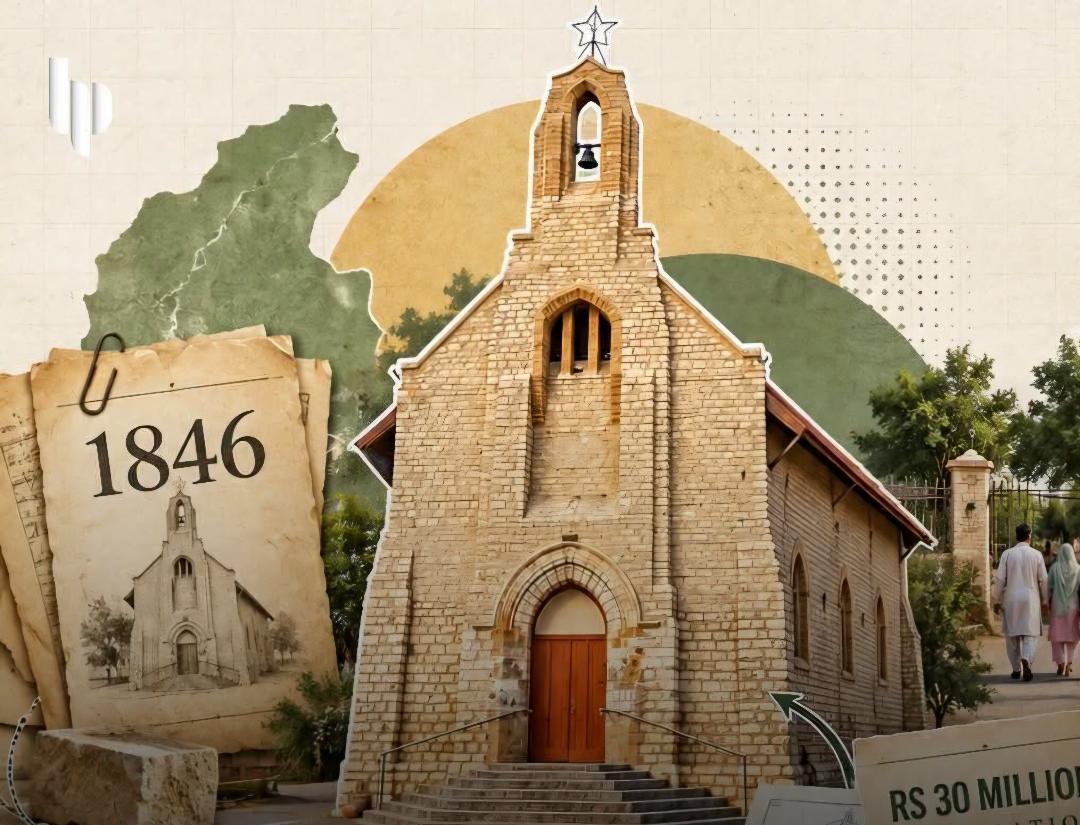
Kotri: The first church in Sindh, the historic Church of Kotri, has been preserved as a historical heritage after 180 years; Deputy Speaker
Pakistan came into being on August 14, 1947 as a result of the division of India which had strong diverse multireligious and multicultural backgrou


PCP need your support that we may provide you better services: click on donate


"Trial of Pakistani Christian Nation" By Nazir S Bhatti
On demand of our readers, I have decided to release E-Book version of "Trial of Pakistani Christian Nation" on website of PCP which can also be viewed on website of Pakistan Christian Congress www.pakistanchristiancongress.org . You can read chapter wise by clicking tab on left handside of PDF format of E-Book.