
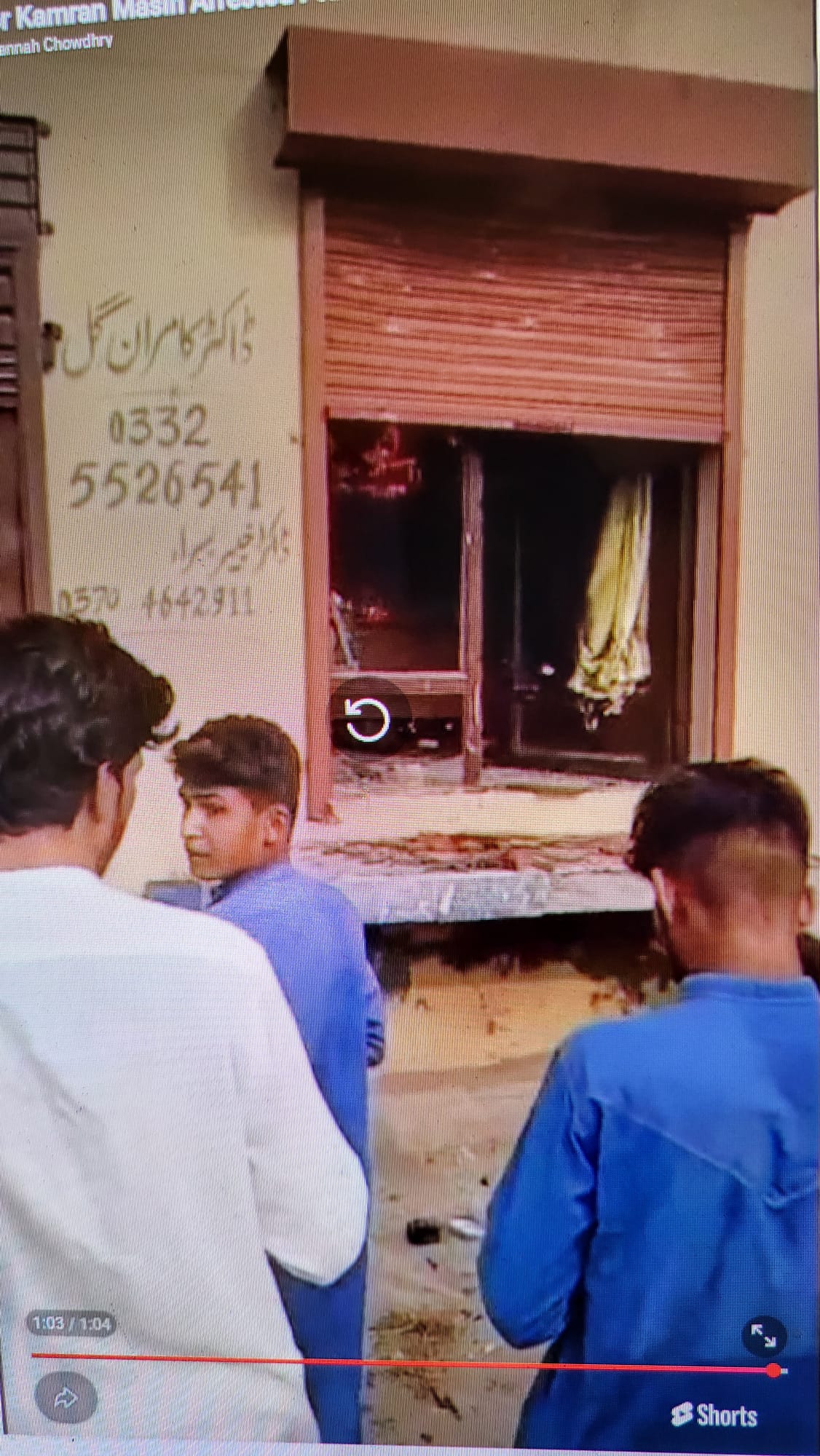
Narang Mandi: A Christian doctor, Kamran Masih, was reportedly arrested on 9 October 2026 following a blasphemy accusation in Narang Mandi village,
Sardar Mushtaq Gill Condemns Mob Attack in Narang Mandi, Calls for Repeal of Blasphemy Laws and International Action to Protect Pakistan’s Christians
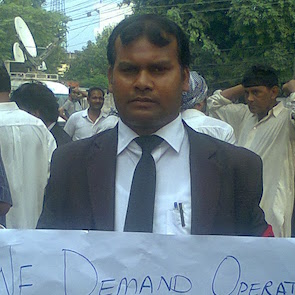
NARANG MANDI, PAKISTAN — October 10, 2026 — Sardar Mushtaq Gill, founder of LEAD Ministries, has strongly condemned the reported mob attack on October 9, 2026, in Gharyal Kalan, Narang Mandi, Punjab Province, Pakistan. According to the information provided, hundreds of people gathered following Friday prayers at a local mosque and attacked and set fire to the house and clinic of Kamran Masih Gill, who had been arrested by police on October 8 in connection with a blasphemy-related allegation.
Sardar Mushtaq Gill questioned why the mob resorted to violence when the accused was already in police custody and the matter was subject to legal proceedings. He emphasized that allegations must be investigated through lawful procedures and cannot justify attacks on property, threats to public safety, or violence against innocent people.
The incident has renewed concerns about the vulnerability of Pakistan’s Christian minority, particularly when allegations against one individual expose family members and entire communities to threats, intimidation, and displacement.
Gill has renewed his longstanding call for the repeal of Sections 295-C and 295-B of Pakistan’s Penal Code, arguing that blasphemy laws and their potential misuse raise serious concerns about religious freedom, equal citizenship, and the safety of religious minorities. He has also called for international monitoring, legal reform, and stronger protection for Christians in Pakistan.
Mob Attack Despite Police Arrest Raises Serious Questions
The reported arson in Gharyal Kalan raises urgent questions about preventive policing and the authorities’ ability to protect vulnerable communities. Gill stressed that police custody and ongoing legal proceedings should prevent individuals from taking the law into their own hands.
He called for an impartial investigation, accountability for those responsible for violence and destruction, and appropriate protection and assistance for affected residents.
Gill warned that blasphemy-related allegations can expose entire Christian communities to danger, even when only one person is accused. Families and neighbors who have no involvement in an allegation may face threats, attacks on homes and businesses, intimidation, and forced displacement because of their religious identity.
He emphasized that an allegation against one individual must never justify collective punishment. Every citizen deserves equal protection under the law, and no family should be forced to abandon its home because of its faith.
Karachi: Christian Families Trapped Amid Quran Desecration Allegation
According to reports, on July 9, 2026, a protest erupted in Qazafi Colony, Baldia Town, Karachi, after an envelope containing a burnt page of the Quran was allegedly sent to Waleed General Store. The envelope reportedly also contained photographs of 40-year-old Catholic Azeem Javaid and his mother, along with an image of her national identity card.
Several hundred Muslims, including religious party activists, reportedly gathered near Javaid’s street, leaving approximately 10 to 15 Christian families trapped inside their homes. Protesters allegedly threw stones at police vehicles, prompting the Sindh government to deploy additional police and paramilitary Rangers.
The incident raised serious concerns about the safety of Christian residents amid unverified religious allegations. The identity and motives of those responsible for sending the envelope require investigation, and authorities must ensure that innocent families are not targeted.
Gujranwala: Christian Families Flee Following Allegations Against US-Based Pastor
According to reports, in early July 2026, more than two dozen Christian families fled Jhulan village in Gujranwala Division, Punjab Province, amid fears of violence following allegations against US-based Pastor Sajeel Robin over social media videos reportedly considered offensive to Islam and the Prophet Muhammad.
Mosque loudspeaker announcements allegedly intensified tensions on July 3, prompting police from Kot Ladha station to advise Christian residents to leave temporarily for their safety. Many families reportedly fled with only the belongings they could carry.
Reports stated that the pastor’s father, Robin Masih, and maternal uncle, Shamaun Masih, were taken into protective custody, while his brother, Nabeel Robin, reportedly went into hiding to avoid arrest.
Local police and some Muslim residents reportedly helped defuse tensions through negotiations with clerics, preventing further escalation.
The incident illustrates how allegations against a person living abroad can place relatives and entire communities at risk, forcing innocent families to leave their homes out of fear. It also underscores the importance of preventive policing, community cooperation, and timely protection for threatened residents.
July–October 2026: Continuing Blasphemy Allegations and Fears of Mob Violence Against Christians
Between July and October 2026, reports concerning Pakistan’s Christian minority have continued to raise concerns about blasphemy-related accusations, arrests, threats, public protests, and the risk of mob violence.
The incidents in Karachi and Jhulan illustrate how allegations involving religious sensitivities can endanger entire communities. In Karachi, Christian families were reportedly trapped inside their homes as a crowd gathered following an alleged act of Quran desecration. In Jhulan, more than two dozen families reportedly fled amid fears of attacks following allegations against a pastor living in the United States.
Reports during this period also described blasphemy-related arrests involving Christians in Punjab, raising concerns about due process, legal vulnerability, and the wider consequences for accused individuals and their families. Allegations must be distinguished from proven offences, and every accused person is entitled to a fair legal process.
Although not every blasphemy allegation leads to mob violence, the threat of public hostility can create fear even before an attack occurs. Families may fear for their lives, homes, businesses, and livelihoods despite having no involvement in the original allegation.
The reported October 9 attack in Gharyal Kalan brings these concerns into sharp focus. According to the information provided, a mob attacked and set fire to Kamran Masih Gill’s house and clinic despite his reported arrest the previous day. More than 35 Christian families were reportedly forced to flee amid the resulting insecurity.
Sardar Mushtaq Gill argues that these developments demonstrate the need for sustained international monitoring, effective police protection, accountability for perpetrators of mob violence, and meaningful legal reform. Christians should not have to live in fear that an accusation against one person could threaten the safety of an entire community.
A Pattern of Fear, Displacement, and Insecurity
Taken together, the reported incidents in Narang Mandi, Karachi, and Jhulan illustrate recurring concerns about the consequences of blasphemy-related allegations for Pakistan’s Christian minority.
In Narang Mandi, the reported attack occurred despite the accused having been arrested, and more than 35 Christian families were reportedly forced to flee. In Karachi, approximately 10 to 15 Christian families were reportedly trapped inside their homes as a crowd gathered nearby. In Jhulan, more than two dozen Christian families reportedly fled amid fears of violence linked to allegations against a pastor living abroad.
These incidents raise questions about the effectiveness of existing protection mechanisms and the ability of authorities to prevent collective retaliation.
The consequences extend beyond immediate physical danger. Fear of violence can disrupt education, employment, religious practice, economic stability, and the ability of families to remain safely in their homes. Even the threat of an attack can force people to abandon their possessions and livelihoods.
Gill argues that Pakistani authorities must move beyond responding after violence occurs and establish effective safeguards against threats, mob violence, forced displacement, and collective punishment. He also recognizes the importance of timely intervention by police and community members, as reportedly occurred in Jhulan.
Sardar Mushtaq Gill Renews Call for Repeal of Sections 295-C and 295-B
Sardar Mushtaq Gill has renewed his longstanding demand for the repeal of Sections 295-C and 295-B of Pakistan’s Penal Code.
Section 295-C addresses derogatory remarks regarding the Prophet Muhammad and prescribes the death penalty for the offence under that provision. Section 295-B concerns the desecration of the Quran and prescribes life imprisonment under the provision.
Gill argues that these laws and their potential misuse create serious risks for religious minorities when allegations are exploited, accused individuals are treated as guilty before due process, or accusations provoke extrajudicial violence against entire communities.
He maintains that the possibility of severe legal consequences, combined with the threat of mob retaliation, contributes to fear and insecurity among Christians.
Through LEAD Ministries, Gill has advocated religious freedom, equal citizenship, and the protection of vulnerable communities. He argues that laws and religious accusations must not be used to justify discrimination, intimidation, or violence against Christians or any other religious minority.
His call for repeal is rooted in concerns about the wider consequences of these provisions, particularly when accusations provoke collective hostility. He has urged Pakistani lawmakers and the government to pursue meaningful legal reform, establish safeguards against malicious accusations, and strengthen protection for people threatened with religiously motivated violence.
LEAD Ministries maintains that no law, accusation, or interpretation of religious principles should be used to justify attacks on innocent people or the collective punishment of an entire community.
Appeal to International Observers and Human Rights Organizations
Sardar Mushtaq Gill has urged the United Nations, international human rights organizations, religious freedom monitoring bodies, foreign diplomatic missions, and other international observers to give sustained attention to the safety and protection of Pakistan’s Christian minority.
He has called for independent monitoring of blasphemy-related incidents, impartial investigations into attacks on Christian communities, accountability for perpetrators, and effective protection for families threatened with violence or displacement.
Gill emphasized that international engagement should extend beyond statements issued after incidents. It should include continued dialogue with Pakistani authorities, scrutiny of protection mechanisms, support for affected families, and advocacy for legal reforms consistent with religious freedom and equal protection under the law.
He urged international observers to examine the reported incidents in Narang Mandi, Karachi, and Jhulan alongside other documented cases to assess the risks facing Christians and identify practical measures to prevent further violence.
Particular attention should be given to displaced families, including their immediate safety, access to shelter, recovery of property, and ability to return home without fear of renewed attacks.
Gill stressed that protection must be preventive rather than merely reactive. Authorities should respond when credible threats emerge rather than waiting until homes are burned, families are displaced, or violence has already occurred.
No Christian Family Should Have to Live in Fear
Sardar Mushtaq Gill’s condemnation of the reported attack in Gharyal Kalan, Narang Mandi, reflects LEAD Ministries’ longstanding concerns about blasphemy-related violence and the insecurity experienced by Pakistan’s Christian minority.
The reported incidents in Karachi and Jhulan further illustrate the consequences religious accusations can have for innocent people: families trapped inside their homes, residents fleeing with only essential belongings, and communities living with uncertainty about their safety and future.
The wider concerns reported between July and October 2026 reinforce the need for comprehensive protection, accountability for mob violence, and meaningful legal reform.
Gill has renewed his call for the repeal of Sections 295-C and 295-B and urged international observers to monitor the treatment of Christians in Pakistan, press for effective safeguards, and support measures that protect the rights and dignity of every citizen.
For LEAD Ministries, the issue extends beyond individual allegations or isolated incidents. It concerns whether every Christian family can live safely in its home without fear that an accusation against one person could expose an entire community to violence or forced displacement.
The central message is clear: An allegation against one individual must never become a justification for endangering an entire community. No family should be forced to flee its home because of its religious identity, and no Christian should have to live in constant fear that an accusation against another person could put their life, home, or future at risk.
Justice must be individual, and protection under the law must be equal for all. The law must safeguard the religious sentiments, beliefs, and freedoms of every person, ensuring that allegations of blasphemy or disputes over interpretations of religious texts are addressed through fair, impartial, and lawful procedures—not used to justify discrimination, intimidation, mob violence, or persecution under particular interpretations or applications of Islamic Sharia. No individual or community should be denied justice because of their religious identity or beliefs.
Religious freedom must be upheld, human dignity respected, and the rule of law applied equally to everyone without discrimination.
You May Also Like
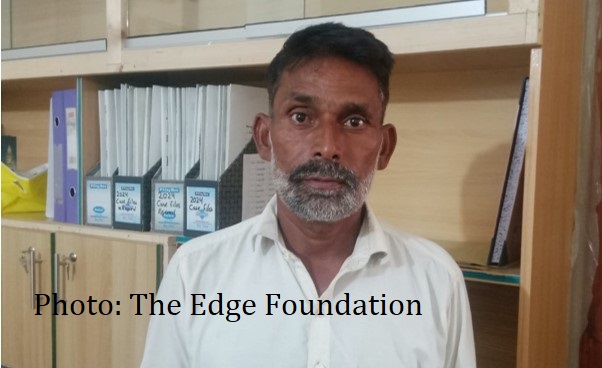
LAHORE, Pakistan: A Christian farmworker who says he was trapped by debt, paid low wages and prevented from attending church has been freed followi
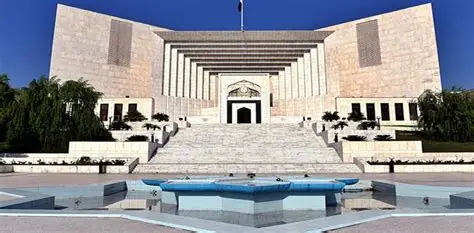
ISLAMABAD, Pakistan: The Supreme Court of Pakistan has upheld the death sentence of Christian man Qaiser Ayub in a long-running blasphemy case whil


PCP need your support that we may provide you better services: click on donate


"Trial of Pakistani Christian Nation" By Nazir S Bhatti
On demand of our readers, I have decided to release E-Book version of "Trial of Pakistani Christian Nation" on website of PCP which can also be viewed on website of Pakistan Christian Congress www.pakistanchristiancongress.org . You can read chapter wise by clicking tab on left handside of PDF format of E-Book.