
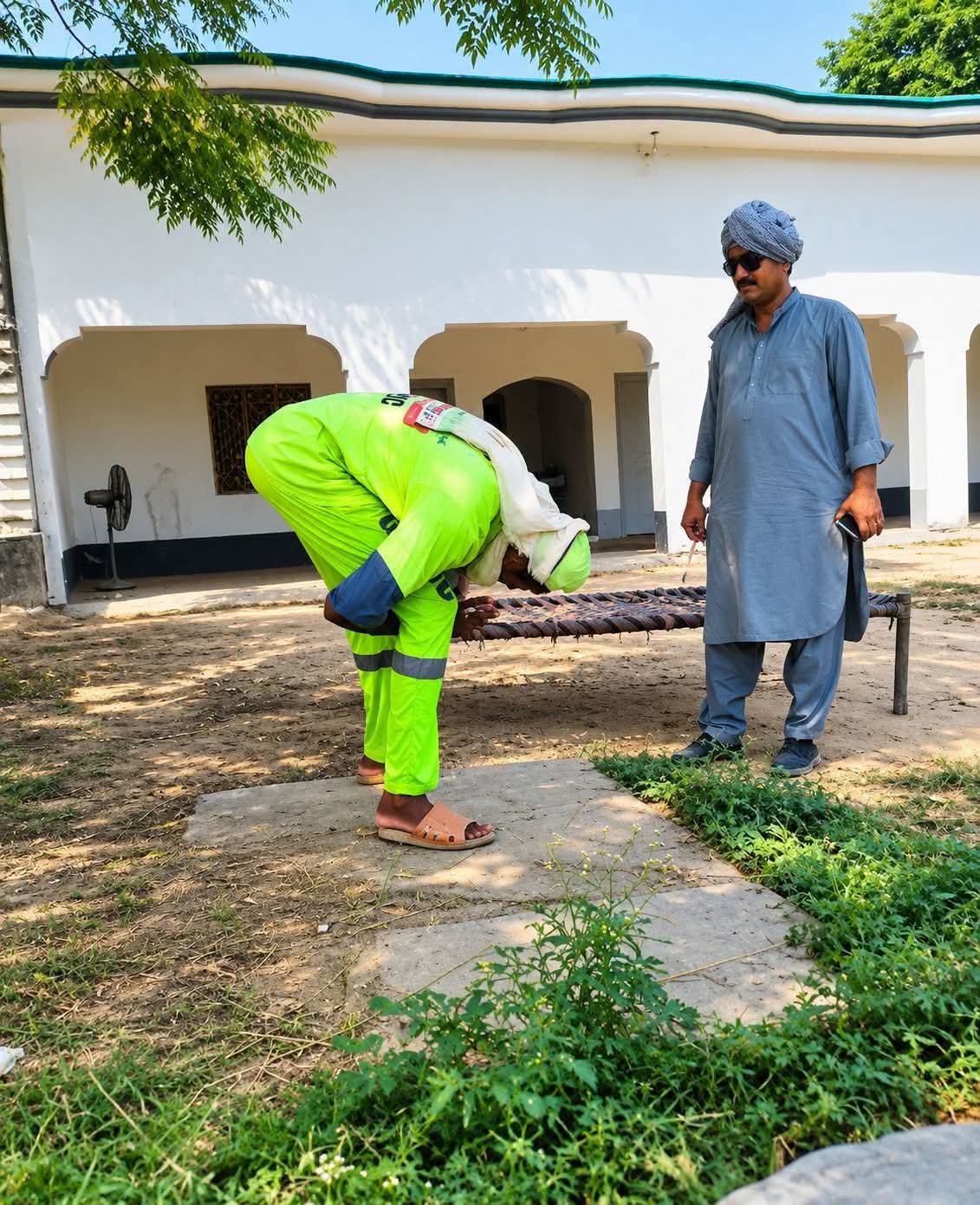
WAZIRABAD, PUNJAB — LEAD Ministries has expressed deep concern over reports of the alleged humiliation and mistreatment of sanitation workers
When Poverty and State Failure Deny Access to Justice, Vulnerable Christians in Pakistan Suffer Twice—First Through Violence, Then Through the Denial of Justice. By Sardar Mushtaq Gill
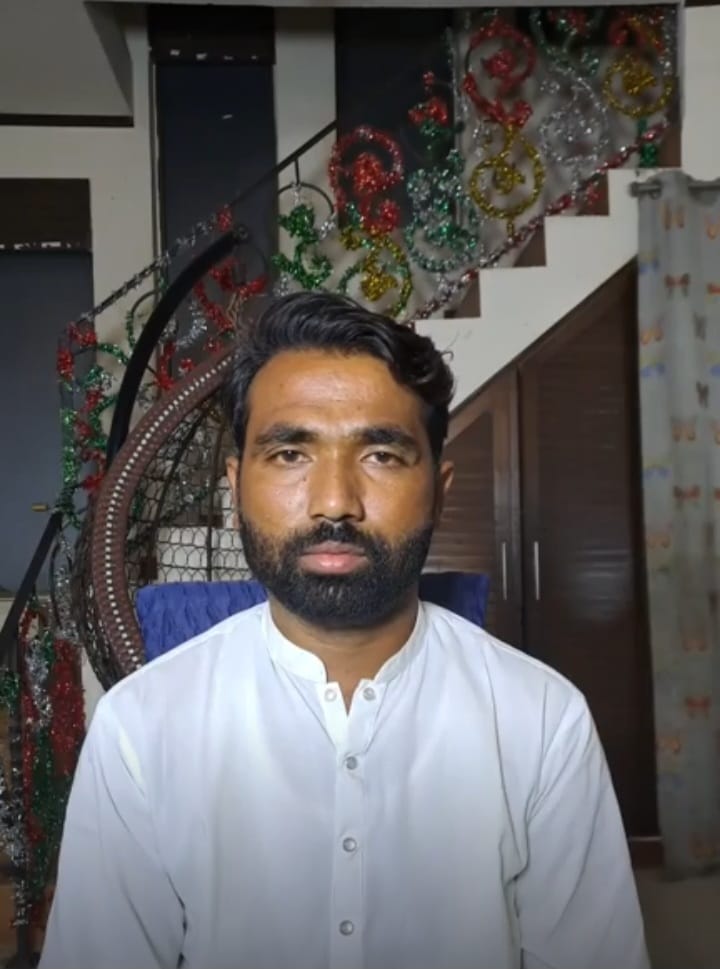
CHICHAWATNI, PAKISTAN: For the family of slain Christian man Ashram Masih, the pain of losing a loved one has been compounded by another harsh reality: the struggle to pursue justice when they lack the financial resources and support needed to navigate the justice system.
Ashram Masih was reportedly shot dead by unidentified assailants in a village within the jurisdiction of Ghaziabad Police Station in Chichawatni. Although a case was registered, his family says that those responsible have yet to be brought to justice.
For Ashram’s family, the tragedy did not end with his death. His son is now appealing for help, saying that the family cannot afford the expenses involved in pursuing justice for his father.
For a grieving family already struggling financially, travelling to police offices, following up on an investigation, seeking legal assistance, and repeatedly calling for action can become an overwhelming burden.
This raises a fundamental human-rights question: What happens when a vulnerable family has the right to justice but lacks the resources to pursue it?
Justice should never depend on wealth, influence, religious identity, or social status. Equal protection under the law is a fundamental principle, and no family should have to choose between mourning a loved one and finding the means to demand accountability for that loved one’s death.
For vulnerable Christian communities in Pakistan, the struggle can be particularly difficult when poverty, social marginalization, and limited access to legal and institutional support intersect. When victims and their families cannot effectively pursue their cases, the consequences can extend far beyond the original act of violence.
The denial or absence of effective accountability can deepen fear, insecurity, and distrust while leaving already vulnerable families feeling abandoned by the institutions responsible for protecting them.
Pastor Imran Amanat, leader of LEAD Ministries, has called for justice to be delivered without delay and urged authorities to ensure an effective, transparent, and impartial investigation into Ashram Masih’s killing.
“Justice should be delivered without delay,” Pastor Amanat said, emphasizing that every human life deserves equal protection under the law.
For Ashram’s son and his family, the demand is not for special treatment. They are asking for what every bereaved family should be able to expect: a serious investigation, accountability for those responsible, and justice for their loved one.
A Wider Struggle for Vulnerable Christians
Ashram Masih’s case also reflects broader concerns raised by human-rights advocates about the vulnerability of Christians and other marginalized communities in Pakistan.
LEAD Ministries continues to document and raise awareness about violence, discrimination, bonded labor, alleged misuse and abuse of blasphemy laws, forced conversions and marriages, and other forms of persecution affecting vulnerable Christians.
Through human-rights reporting and advocacy, the organization seeks to amplify marginalized voices and draw attention to abuses and injustices that might otherwise remain overlooked. Its work focuses on promoting justice, religious freedom, human dignity, and equal protection under the law.
For communities living in situations of vulnerability, credible documentation and public reporting can play an important role in bringing alleged abuses to wider attention, encouraging accountability, and urging relevant authorities to respond through lawful, transparent, and impartial mechanisms.
The issue is not simply whether a case is registered. Justice requires that victims are able to pursue their cases, that investigations are conducted credibly, and that those responsible for crimes are held accountable through due process.
Justice Must Not Be a Privilege
For families living in poverty, the financial burden of pursuing justice can become another form of suffering. Transportation costs, legal assistance, repeated visits to government offices, and the need to follow up on investigations can place enormous pressure on families already struggling to survive.
No victim should be forced to bear the financial cost of seeking protection and accountability alone.
No grieving family should be left without meaningful access to justice because it lacks money, influence, or connections.
And no vulnerable Christian family should have to wonder whether its religious identity or economic circumstances will affect its ability to receive equal protection under the law.
As Ashram Masih’s family mourns, the Christian community continues to call for a credible and transparent investigation, accountability for those responsible, and meaningful measures to protect vulnerable citizens from violence and further harm.
The authorities now have an opportunity to demonstrate that justice and human dignity are not privileges reserved for the powerful. For vulnerable Christians in Pakistan, access to justice must be a fundamental right—not an impossible demand.
You May Also Like
Pakistan: The emotional statement regarding minorities—in which he described them as the "crown on the head"—made after assum
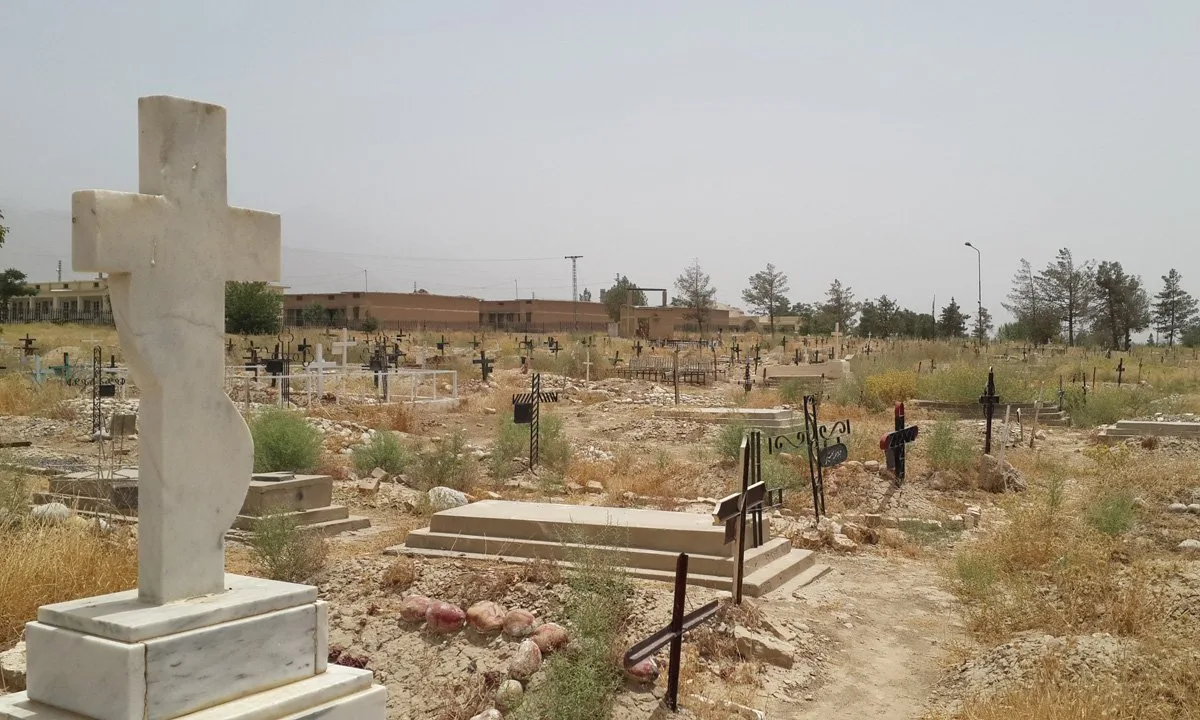
ISLAMABAD — A long-running dispute over land designated for a Christian cemetery in Islamabad has raised concerns about the protection of min


PCP need your support that we may provide you better services: click on donate


"Trial of Pakistani Christian Nation" By Nazir S Bhatti
On demand of our readers, I have decided to release E-Book version of "Trial of Pakistani Christian Nation" on website of PCP which can also be viewed on website of Pakistan Christian Congress www.pakistanchristiancongress.org . You can read chapter wise by clicking tab on left handside of PDF format of E-Book.