
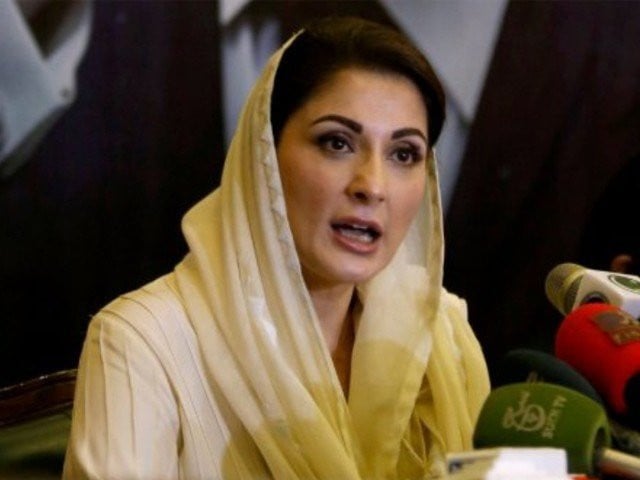
LAHORE: Rwadari Tehreek Pakistan has written an open letter, signed by its Chairman Mr. Samson Salamat, to Chief Minister Punjab Maryam Nawaz Shari
Constitutional Protection and Minorities. By Khalid Shahzad
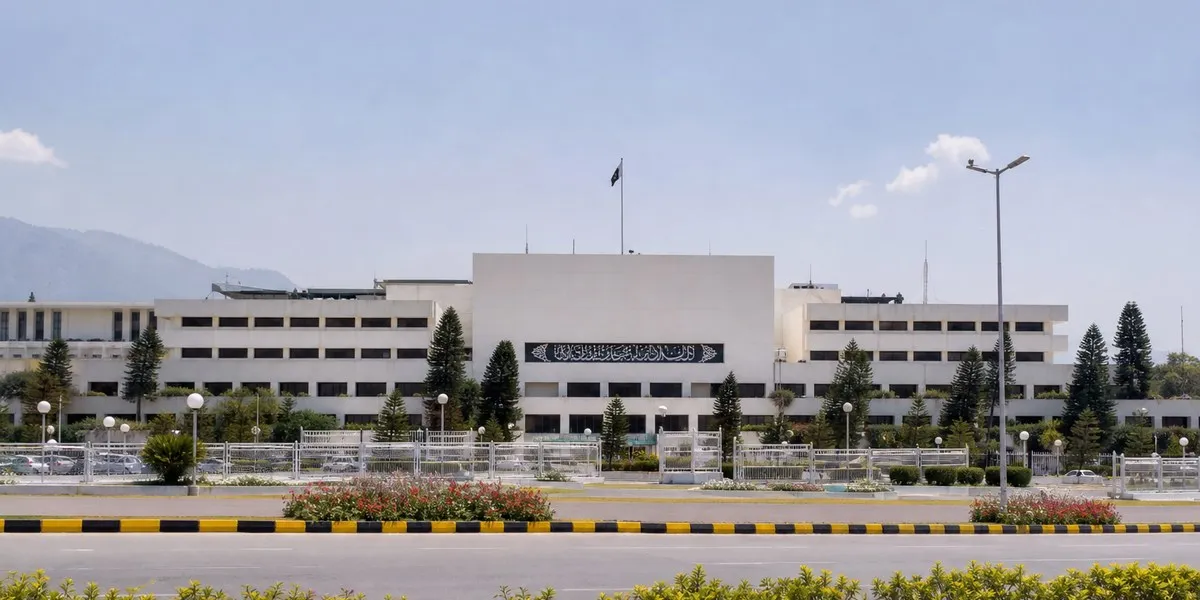
Pakistan: The emotional statement regarding minorities—in which he described them as the "crown on the head"—made after assuming office in Punjab had sparked a new sense of hope. However, the gap between the eloquent statements emanating from the corridors of power and the bitter realities on the ground appears to be widening rather than narrowing over time. For Pakistan's minorities, the question is not new: do the rulers' promises truly guarantee a safe and equitable future, or are they—as in the past—merely a matter of fleeting political sympathy and empty reassurances? Minority communities in Punjab, particularly the Christian and Hindu communities, have long been struggling for basic human rights and social protection. On one hand, grave and sensitive issues such as the underage marriage of minority girls and
forced conversions show no signs of abating; on the other, serious questions have arisen regarding the implementation of the legally mandated 5% minority quota in employment opportunities and government jobs.
A recent development has further reinforced these concerns. According to an official response issued by the Punjab Emergency Services (PERA Force) on September 25, 2026, the minority quota was listed as "Nil" (zero) for the recruitment of 1,000 new personnel—comprising 500 Sergeants and 500 Sergeant Drivers. This implies that not a single one of the 1,000 positions was reserved for minority candidates. According to officials from the force, the recruitment process was completed following a formal procedure: a summary was prepared, reviewed by relevant government wings and departments, and ultimately, formal approval was obtained from the Chief Minister of Punjab. It is precisely this aspect that renders the matter highly sensitive and concerning.
A fundamental constitutional question now arises: was the 5% minority quota—applicable to this recruitment of 1,000 positions—either directly or indirectly exempted or abolished through the Chief Minister's approval? If so, what is the constitutional and legal basis for this decision? Article 36 of the Constitution of Pakistan guarantees the protection of the legitimate rights and interests of minorities. Similarly, the landmark 2014 Supreme Court of Pakistan judgment (the Justice Tassaduq Hussain Jillani case) serves as a foundational document regarding the protection of minority rights, quotas, and religious freedom. Under constitutional and legal interpretation, the minority quota in government employment is not merely an administrative concession but a legal entitlement. If a government authority or force is permitted to bypass or suspend the 5% quota through special approvals, it sets a dangerous precedent.
This raises the concern that other institutions might, in the future, cite administrative reasons to gradually render the quota ineffective, ultimately paving the way for its complete abolition. Regrettably, this unequal treatment of minorities is not limited to Punjab; the situation in Khyber Pakhtunkhwa (KPK) appears no different. Since 2022, the implementation of reserved seats for minorities within KP’s emergency service (Rescue 1122) has either been stalled, or—in a clear act of injustice—individuals other than non-Muslims have been recruited against these designated positions.
However, the High Court played a pivotal role in restoring the confidence of the minority community in KP. Taking notice of the illegal recruitments made by the Director General of Rescue 1122, the Peshawar High Court ruled that these appointments—made in violation of the minority quota—be declared null and void, and that the rightful minority candidates be granted employment in accordance with the 2022 regulations and merit. This bold verdict by the Peshawar High Court has instilled a renewed sense of hope within the minority community regarding the rule of law and the judiciary's commitment to fairness.
Similarly, an assessment of the situation in Sindh and at the federal level reveals that the government's silence regarding issues faced by minorities in education and public sector employment is causing deep frustration. The mere existence of a quota on paper is insufficient unless it is strictly implemented. It is frequently observed that the majority of seats reserved under the minority quota are either left vacant or restricted to menial roles—such as sweepers or sanitary workers—while minorities are denied their due share in administrative and bureaucratic positions. When the state's top leadership describes minorities as the "crown on the head" (a cherished asset), it implies that this priority should not be confined to mere rhetoric but must be reflected in policy formulation and implementation. When the minority quota is reduced to "zero" out of 1,000 vacancies, the hollowness of government claims becomes immediately apparent. The Punjab government, and Chief Minister Maryam Nawaz in particular, should take immediate notice of the absence of a minority quota in the recent recruitment for the paramilitary force. A transparent inquiry must be conducted to determine under what legal authority the 5% quota was disregarded and on what grounds the relevant summaries were approved. The journey toward protecting minorities begins not with flowery words, but with concrete actions, adherence to constitutional rights, and the provision of equal employment opportunities. Just as the courts can deliver justice, it is the duty of elected governments to move beyond treating minorities as mere political slogans; instead, they must recognize them as equal citizens of the state and safeguard their legitimate rights.
You May Also Like

Lahore: Forced Conversion to Islam for Marriage Is a Serious Human Rights Concern. No religion, tradition, or social practice can justify coercion,

Kotri: The first church in Sindh, the historic Church of Kotri, has been preserved as a historical heritage after 180 years; Deputy Speaker


PCP need your support that we may provide you better services: click on donate


"Trial of Pakistani Christian Nation" By Nazir S Bhatti
On demand of our readers, I have decided to release E-Book version of "Trial of Pakistani Christian Nation" on website of PCP which can also be viewed on website of Pakistan Christian Congress www.pakistanchristiancongress.org . You can read chapter wise by clicking tab on left handside of PDF format of E-Book.