
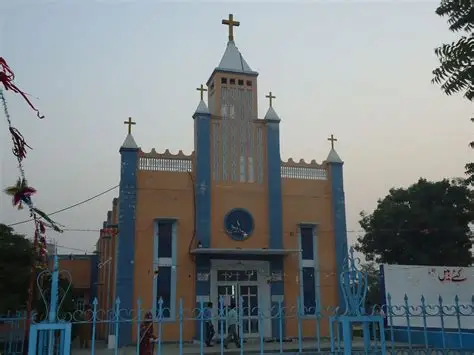
OKARA, PUNJAB, PAKISTAN: The reported disruption of a Christian worship service at Nazareth Town Church, Parish, Okara Cantt, has raised serious co
Verdict in Sri Lanka Church Attack Case Reflects High Judicial Standards. By Dr. Emanuel Adil Ghouri
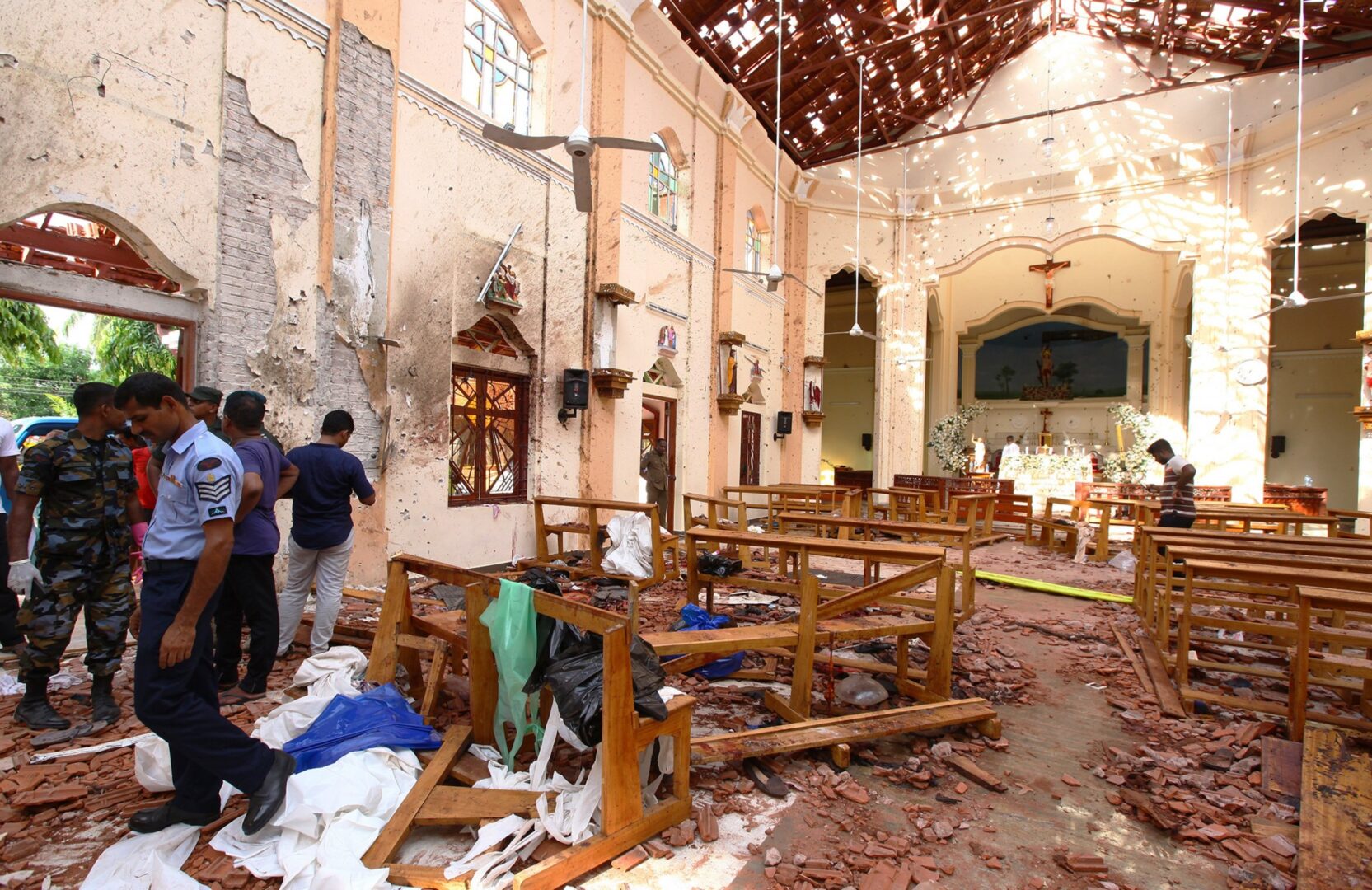
Pakistan: In Sri Lanka, the vast majority—approximately 70 percent—are followers of Buddhism, while the Christian community constitutes about 7.4 percent of the total population, numbering over 1.5 million. Here, the criterion for citizenship is humanity rather than race, ethnicity, or religion. Thanks to a robust judicial system, all citizens enjoy equal rights and have equal access to justice. History records that on April 21, 2019—Easter Sunday—eight simultaneous explosions occurred across various cities in Sri Lanka, targeting churches; these blasts resulted in 279 deaths and left more than 500 people injured. The prosecution filed over 23,000 charges in connection with this case.
On September 22, 2026, a three-judge bench of the High Court convicted 14 defendants on all charges, including murder, conspiracy to commit terrorism, and possession of firearms and explosives under the Anti-Terrorism Act. The convicts were handed lengthy prison sentences (each exceeding 200 years). The court also ordered the confiscation of the convicts' assets and properties.
As I watched this news in the international media, numerous questions regarding Pakistan's justice system arose in my mind. During the Jaranwala incident on August 16, 2023, twenty-six churches were burned down and hundreds of homes were demolished in a single day—spanning from 4:00 AM to 6:00 PM—all while the police were present. Although hundreds of suspects were arrested at the scene, not a single one of those involved in the arson and destruction was punished; all were released after a few months. This judicial outcome made it abundantly clear to me why Pakistan ranks 130th out of 143 countries in the global index for the rule of law and judicial systems, according to the latest report by the World Justice Project (WJP).
In Pakistan, those who burn down churches and the homes of Christians are never punished; instead, the accused invariably exploit flawed investigations to secure acquittal in court. I am presenting details of attacks on certain churches where no individual involved in the arson and destruction has ever been convicted. Information published on various websites has been utilized to recount the details of these incidents.
The history of attacks on churches in Pakistan is largely linked to the post-9/11 (2001) climate, the wave of terrorism, and mob violence triggered by local allegations of blasphemy. According to human rights organizations, several major terrorist attacks on churches have occurred over the past few decades. Details of the major and significant attacks on churches are provided below.
1. St. Dominic Church, Bahawalpur (October 28, 2001) This was the first major attack on a church in Pakistan following the 9/11 attacks in the United States. During Sunday services in Bahawalpur, armed terrorists on motorcycles entered the church and opened indiscriminate fire, resulting in the deaths of 16 people, including a Muslim police guard and children.
2. Protestant International Church, Islamabad (March 17, 2002) The church, located in Islamabad's Diplomatic Enclave, was attacked with hand grenades during the Sunday service. Five people—including an American woman and her daughter—were killed, and dozens were injured in the attack
3. All Saints Church, Peshawar (September 22, 2013) This was the deadliest and bloodiest attack on the Christian community and a church in the history of Pakistan. Two suicide bombers blew themselves up at the church—located near Peshawar's historic Kohati Gate—following the Sunday service. More than 80 people were killed and over 120 were injured in this tragedy.
4. Youhanabad Church Bombings, Lahore (March 15, 2015) Two churches—the Catholic Church and Christ Church—located in Youhanabad, the area with the largest Christian population in Lahore, were simultaneously targeted during Sunday worship services. Security guards stopped the suicide bombers at the entrances, forcing them to detonate their explosives outside. Between 15 and 19 people were killed and approximately 70 were injured in the incident. Jamaat-ul-Ahrar, a Taliban faction, claimed responsibility for the attack.
5. Bethel Memorial Methodist Church, Quetta (December 17, 2017) • A few days before Christmas, two suicide bombers stormed this church, located at Imdad Chowk in Quetta. Thanks to the timely response by police and security guards, one attacker was killed at the entrance, while the other blew himself up. Nine people were killed and more than 50 were injured in the attack. ISIS (IS) claimed responsibility for the assault.
6. Sangla Hill Incident (November 2005): Following an accusation of blasphemy, a large, enraged mob attacked and damaged three churches, including the Kent, Catholic, and Salvation Army churches. •
7. Badami Bagh (Joseph Colony), Lahore (March 2013): Following an alleged incident of blasphemy, an enraged mob stormed a Christian neighborhood and set fire to more than 100 homes, as well as churches.
No one was convicted for the incidents described above, which emboldened the perpetrators of such crimes. Furthermore, no strategy was devised to prevent similar occurrences in the future. While deep sorrow is invariably expressed following such tragedies—accompanied by assurances that the government will protect the lives and property of minorities and prevent future incidents—each subsequent tragedy proves to be even more severe than the last.
You May Also Like
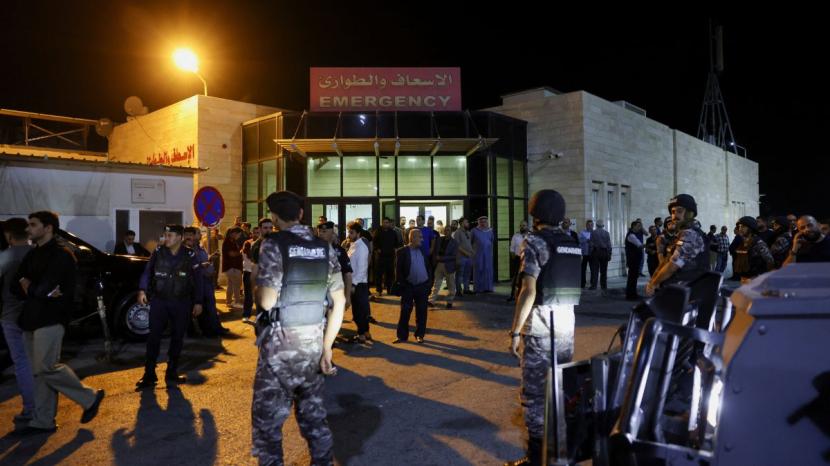
JORDAN: Sardar Mushtaq Gill, a human rights defender, lawyer and founder of LEAD Ministries, has strongly condemned the reported extremist attack o
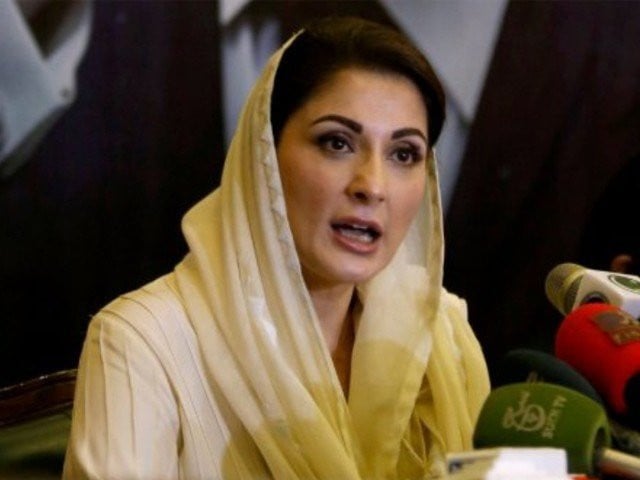
LAHORE: Rwadari Tehreek Pakistan has written an open letter, signed by its Chairman Mr. Samson Salamat, to Chief Minister Punjab Maryam Nawaz Shari


PCP need your support that we may provide you better services: click on donate


"Trial of Pakistani Christian Nation" By Nazir S Bhatti
On demand of our readers, I have decided to release E-Book version of "Trial of Pakistani Christian Nation" on website of PCP which can also be viewed on website of Pakistan Christian Congress www.pakistanchristiancongress.org . You can read chapter wise by clicking tab on left handside of PDF format of E-Book.