

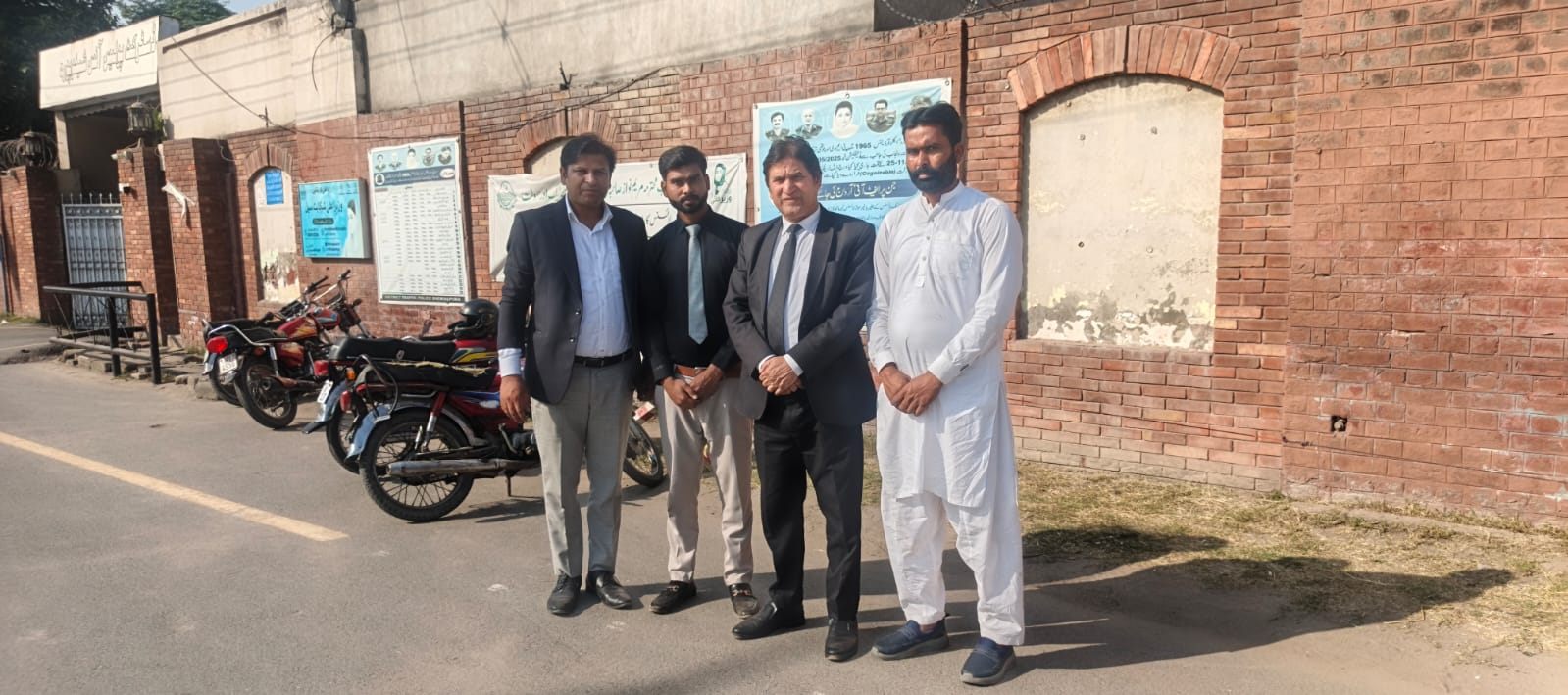
SHEIKHUPURA, PAKISTAN: Fear and anxiety have reportedly gripped the Christian community in Nizam Pura, Sheikhupura, following an alleged attack on
National Commission for Religious and Linguistic Minorities decision likely to affect pending SC rulings on government benefits for Dalit Christians and Dalit Muslims

NEW DELHI, INDIA – May 22, 2007: The National Commission for Religious & Linguistic Minorities' oft-delayed report was released and the findings could drastically change life for India's Dalit (formerly called "untouchables") community. If the government accepts the Commission's recommendations, decades of religious-based discrimination against the lowest-strata in India's society will be reversed.
The Commission said a clause in a 1950 law should be dropped to delink status from religion. The clause had restricted government benefits to Scheduled Castes who are Hindu, Sikh or Buddhist. The Commission's decision was based on a two-year study of the socio-economic and educational condition of Dalit Christians and Dalit Muslims.
The Supreme Court of India has repeatedly postponed judgments on cases brought by a Dalit Christian and a Dalit Muslim while the report was pending. The plaintiffs had asked for Scheduled Caste status. Scheduled Caste status brings special government benefits to Indians from Dalit, tribal, and low-caste background such as reserved places in education institutions and government jobs.
Dr. Joseph D'souza, President, All India Christian Council, said, "Finally, the Mishra Commission Report is before India's Prime Minister and the government. It calls for Dalit Christian and Muslim reservation which was denied since the Order of 1950. It is high time that the government of India reverses the 1950 law which discriminated against Dalits on the basis of religion."
The "Constitution (Scheduled Caste) Order" of 1950 only awarded government benefits to Hindus. It was later amended to included Sikhs and Buddhists in 1956 and 1990, respectively.
The Mishra Commission (www.ncrlm.com), a five-member commission under the chairmanship of retired Supreme Court Justice Ranganath Mishra, was appointed by the government in March 2005 and officially called the National Commission for Religious & Linguistic Minorities. Its mandate was to examine criteria for defining "backwardness" among people of Scheduled Caste origin who had converted to religions other than Hinduism, Sikhism and Buddhism. It was to suggest necessary constitutional, legal and administrative changes. Its tenure, originally for six months, had been repeatedly extended to May 15, 2007. The report was submitted and has now become public.
Members of the All India Christian Council had testified before the panel several times in 2006, notably in hearings at Delhi and Mumbai.
"We are one step closer to justice for all Dalits. It is our hope that the Government does not come up with any more delay tactics at the next hearing of the Supreme Court case brought by a Dalit Christian scheduled for July 19th," said D'souza.
The Supreme Court of India hearing, which has already been postponed multiple times, was most recently delayed on April 3, 2007. The case was originally filed in 2004.
The case asks the Indian government to restore Scheduled Caste status to Dalit Christians and thereby allow them to receive national government benefits guaranteed them by the Indian Constitution. There is a similar case filed by a Dalit Muslim.
Hindu Nationalists, including most upper-caste communities, have opposed the restoration of Scheduled Caste status to all Dalits. They argued that it would encourage religious conversions of Hindus since exclusion of Dalit converts from Scheduled Caste benefits acted as a deterrent. One of the five panel members, Ms. Asha Das, issued a dissenting opinion and said that giving Scheduled Caste status to Christians and Muslims would amount to inserting caste in religions which don`t recognize caste.
However, various studies conducted by the Mishra Commission involving leading social scientists, politicians, and academicians indicated that Dalits continue to suffer caste-based discrimination, irrespective of their religion. In particular, Dalit Christians – even after their conversion – suffer social discrimination and remain in the same educational and economic condition as before.
You May Also Like

Phoolnagar, Punjab, Pakistan: “I Want My Daughter Back”: Christian Parents Beg for Justice After 16-Year-Old Samina Is Allegedly Abduct
Sheikhupura, Punjab: Christian Doctor Arrested on Blasphemy Allegations as Mob Burns His Clinic and Attacks His Home in Pakistan
Christia


PCP need your support that we may provide you better services: click on donate


"Trial of Pakistani Christian Nation" By Nazir S Bhatti
On demand of our readers, I have decided to release E-Book version of "Trial of Pakistani Christian Nation" on website of PCP which can also be viewed on website of Pakistan Christian Congress www.pakistanchristiancongress.org . You can read chapter wise by clicking tab on left handside of PDF format of E-Book.