
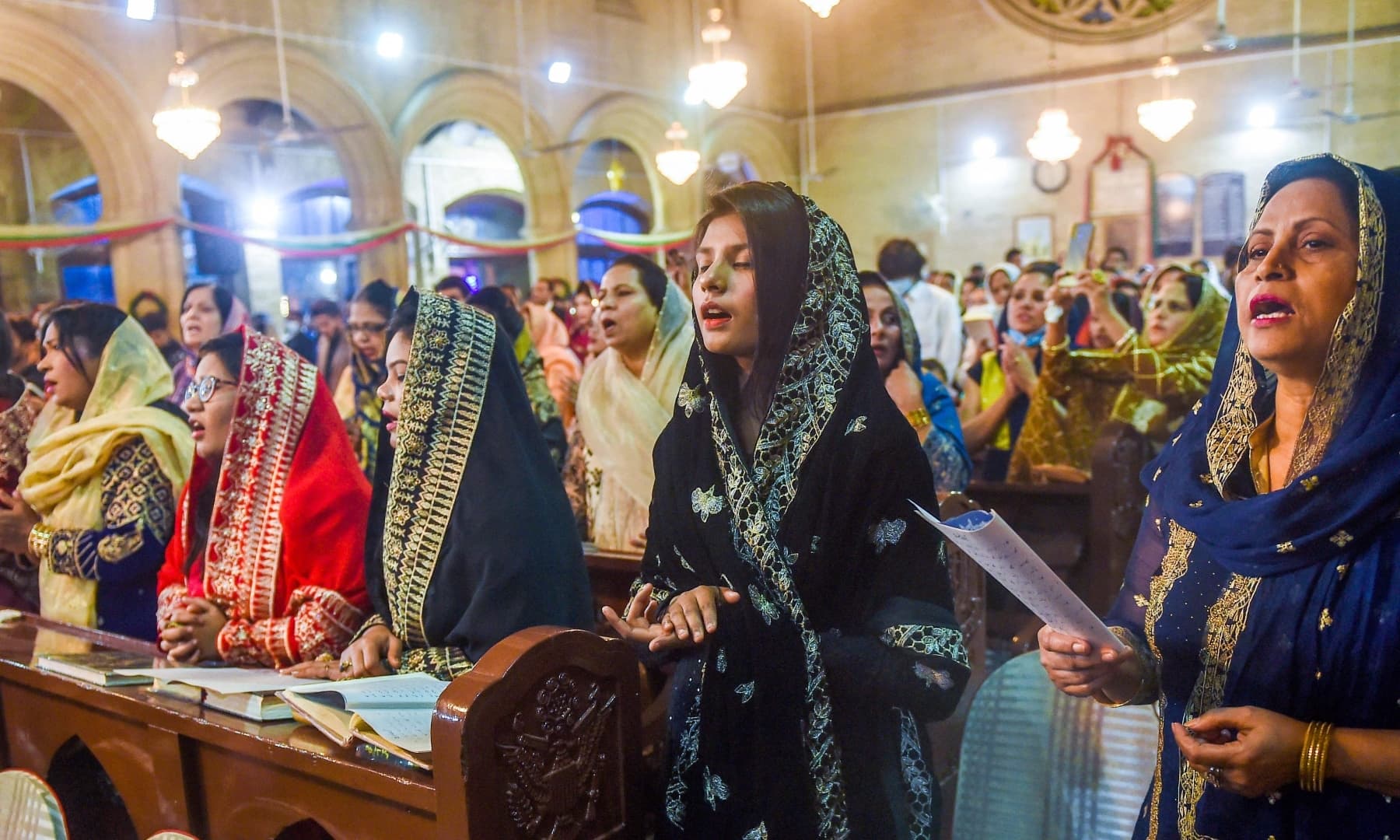
FAISALABAD, Pakistan: A Christian woman from an exceptionally vulnerable family in Faisalabad is pursuing justice after allegedly fighting off a ne
Kashmir’s third straight summer threatens to unleash nuclear winter. By Robert Terpstra

Currently the world’s most intractable problem lies in what most correspondents call ‘war’s most beautiful paradise’. The description appears at first to be an oxymoron, unfortunately this is the state that is Kashmir.
Srinagar in summer. Muzaffarabad in mid-winter. Many visiting the region will vehemently argue that there are no two places like it. Kashmir’s aesthetics are an extrinsic beauty, some now claim, as the recent death toll in the disputed territory has reached triple figures. One hundred and seven civilians killed – zero casualties handicapping authorities.
Philosophical differences began in 1947 when Hindu India and Muslim Pakistan were partitioned, at last released from the yoke of British rule. Each country soon laid claim to Kashmir — China also retains partial rule over a northeast chunk — and war erupted in one form or the other.
After both countries on the sub-continent formally became nuclear powers in 1998, the then U.S. President Bill Clinton labelled it, “the world’s most dangerous place”. The statement seemed to be a prophecy as the Kargil War in 1999 befell the countries and nuclear warfare seemed imminent. Cooler heads prevailed, but tensions remained. In 2007 under Pervez Musharraf, a solution presented itself but then vanished. ‘All bets were off’ when a group of militants financed by Pakistan’s Lashkar-e-Taiba embarked from the port city of Karachi and landed in Mumbai. The date was Nov. 26, 2008, a worldwide audience captivated, 173 killed.
Fast forward to August 2010, the third straight summer that threatened to unleash nuclear winter. Protestors’ stone throwing was met with live fire, crowds of a dozen escalating into thousands, unhappy about India’s iron fist presence in the region. Most, teens who gathered strength through social networking sites, demanded a plebiscite and the end to merciless Indian occupation in an area the majority of which is Muslim.
Parents within the territory often cannot discourage their overzealous children from participating in demonstrations because a generation ago they walked in their shoes – a sign that the unsolved problem has bridged the gap between young and old.
“We need a complete revisit of what our policies in Kashmir have been,” Professor Amitabh Mattoo at Jawaharlal Nehru University and a Kashmiri Hindu said in the Aug. 13 issue of The New York Times. “It is not about money … It is not about fair elections. It is about reaching out to a generation of Kashmiris who think India is a huge monster represented by bunkers and security forces.”
Finding a common ground surrounding a problem older than the Israel-Palestine question has plagued all involved. This includes government officials ranging from Manmohan Singh and Mirwaiz Umar Farooq to Omar Abdullah. The region’s critics’ common response posits that Singh chirps empty rhetoric, the spiritual Mirwaiz lacks the wherewithal to accept responsibility and the politician Abdullah simply doesn’t possess the necessary credentials.
On Sept. 21, a peace delegation of Indian officials surveyed various sites within the powder keg – it would be a stretch to state they were welcomed with open arms. It is the latest effort from New Delhi to cease activity.
One window of opportunity that does seem to be open is that this current intifada, as some on the ground are labelling it, appears to not be state-sponsored. In the past Pakistani financiers fuelled the anger of the populace, with violence the natural result. And so if demonstrators and rioters can be quelled in the short term without the further escalation of casualties, a long term solution may be viable.
Often times over the course of history, and well documented scholarly, Ramadan has played a critical factor in fitna. Bread riots in Cairo, civil war strife in Beirut, demonstrations within Kashmir, and scores of other incidents appear to have their origins within the hungry, frustrated and deprived bellies of beleaguered Muslims. This does not excuse those involved and their actions, nor pave the way for their oppressors, it simply presents a hypothesis in which a physiological symptom metastasizes into spiritually-enraged venom.
What may be needed is a change in leadership, a tribunal into unprovoked, indiscriminate slaughter, transparency in state and local media, movement in and out of the country —flights are currently grounded while the Line of Control stands firm — the world needs to learn about and understand Kashmir.
‘Never again’ it was once suggested. Unfortunately this is the state that is Kashmir and token phrases just don’t suffice.
You May Also Like
SHEIKHUPURA, PAKISTAN: “Bring my son home.” Behind these words is the desperate cry of a Christian mother who says she has been separat
Sardar Mushtaq Gill Calls for a New Standard in Bible Distribution: “A Bible Must Be Read, Not Simply Distributed”
LEAD Minis


PCP need your support that we may provide you better services: click on donate


"Trial of Pakistani Christian Nation" By Nazir S Bhatti
On demand of our readers, I have decided to release E-Book version of "Trial of Pakistani Christian Nation" on website of PCP which can also be viewed on website of Pakistan Christian Congress www.pakistanchristiancongress.org . You can read chapter wise by clicking tab on left handside of PDF format of E-Book.