

London: BACA Global Programs and Communications Manager Hannah Chowdhry recently spent two months in Shanghai, China, undertaking an internship at
The doctrine of Trinity. By Khalid Shahzad
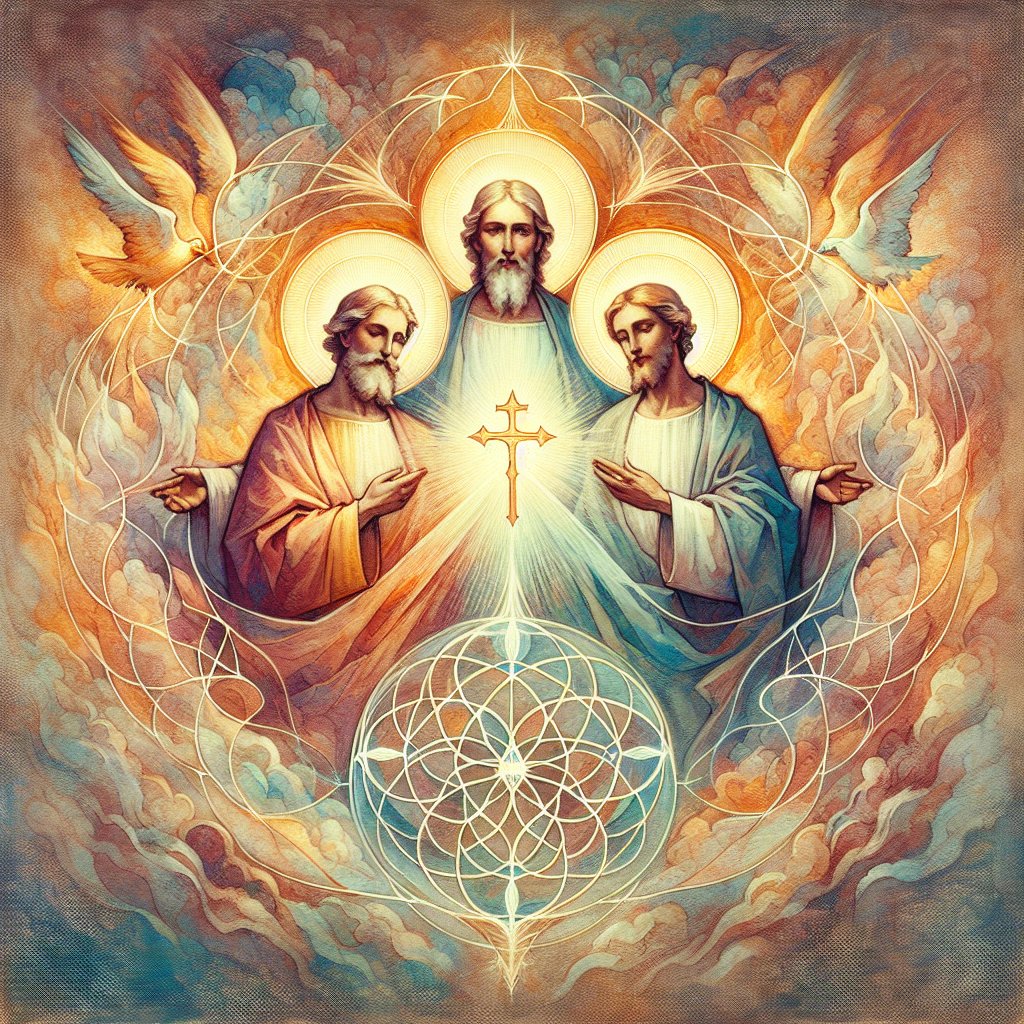
Greek philosophy, Roman law, and theology (specifically the doctrine of the Trinity) constitute the three foundations upon which the edifice of contemporary Western civilization is built—often referred to in intellectual history as the "Three Pillars."
The synthesis of these three elements represents a unique intellectual evolution in human history: Greek philosophy provides the basis for reason, logic, free inquiry, and a scientific-philosophical understanding of the universe; the thought of Socrates, Plato, and Aristotle instilled an awareness of critical thinking and moral philosophy. Roman law offers the framework for order, legislation, civil rights, and the administration of an organized state; concepts such as the rule of law and administrative structures were transmitted to the Western world from Rome. Theology (Christian values) imbued society with a sense of moral cohesion, the sanctity of the individual, compassion, love, service to humanity, and human dignity; it breathed a moral and spiritual spirit into Greek logic and Roman law. It was the convergence of these three elements that subsequently played a pivotal role in the emergence of the Enlightenment, fundamental human rights, democracy, and modern scientific and legal systems. The interplay between human rights, philosophical thought, and Biblical theology represents the deepest intellectual nexus of Western civilization. Together, these three currents establish a foundation for individual worth, liberty, and moral rights that transcends mere political or legal necessity, constituting instead an existential and spiritual reality.The intellectual framework of this synthesis rests upon the following foundations: Human Dignity and Biblical Theology.The primary and most robust foundation for the modern concept of human rights is the Biblical notion of (Imago Dei) (man created in the image of God). This Biblical concept—that every human being is a masterpiece of God—transforms human rights from a mere grant bestowed by governments or monarchs into an inherent right. If all human beings bear the image of the same Creator, then no king, class, or race can claim superiority over another. This very line of thought subsequently formed the basis for Article 1 of the Universal Declaration of Human Rights (UDHR). From ethics to political rights: the philosophical traditions of Greece and the Enlightenment cast Biblical theological principles into the mold of reason and logic. Natural Law: profound thinkers such as Cicero, Thomas Aquinas, and John Locke argued that moral laws and human rights are embedded in the very fabric of the universe. John Locke identified life, liberty, and property as fundamental natural rights of human beings. Regarding moral autonomy, Immanuel Kant’s moral philosophy articulated human dignity through a rational lens, asserting that a human being should never be treated merely as a "means" but rather as an "end" in themselves. The practical protection of rights and the concept of moral responsibility—derived from the synthesis of theology and philosophy—reveal that rights cannot exist without responsibility. Biblical theology does not merely emphasize individual rights; it also imposes a moral obligation to protect the rights of the oppressed, establish justice, and serve as a voice for the voiceless. When the framework of Roman law merged with the spirit of Biblical theology and philosophical thought, it gave rise to a constitutional system wherein the function of the state is not the projection of power, but the protection of God-given human freedoms.
In the modern era—characterized by the rapid pace of technological advancement, globalization, and cultural shifts—applying the principles of Greek philosophy, Roman law, and Biblical theology offers practical solutions rather than merely serving as a subject for theoretical debate.
The application of these three foundations to three major contemporary social and legal challenges is outlined below: The challenge of Artificial Intelligence (AI) and the technological revolution: Developments in data processing, automated systems, and genetic engineering raise concerns regarding the erosion of human individuality and free will. Biblical Theology (*Imago Dei*): This perspective reminds us that a human being is not merely a biochemical algorithm but a bearer of the divine spirit and inherent dignity. Algorithms should not hold dominion over humans, nor should human beings be reduced to mere data-driven "means." Greek philosophy—specifically Socratic and Aristotelian critical thought—fosters the awareness needed to question the indiscriminate use of technology and to distinguish "wisdom" from mere "data." Individual liberty versus state coercion and biopolitics: During crises (such as pandemics, economic downturns, or security threats), states often attempt to curtail civil liberties. Roman Law (Rule of Law): This establishes the fundamental principle that neither the government nor the most powerful individual stands above the law. Constitutional guarantees exist not merely for favorable conditions but to safeguard the individual during times of crisis. John Locke’s concept of Natural Law posits that fundamental individual rights—life, liberty, and property—are not granted by the state to be revoked at will; rather, they are innate and God-given. Regarding societal polarization, moral decline, and pluralism—manifested in the erosion of moral values, hyper-individualism, and rising political partisanship that destroys social cohesion-
In the modern era, characterized by rapid technological advancements, globalization, and cultural shifts, applying principles from Greek philosophy, Roman law, and Biblical theology (Trinity)offers practical solutions rather than mere theoretical discourse.
Artificial Intelligence (AI) and the Technological Revolution/Advancements in data processing, automated systems, and genetic engineering raise concerns regarding the compromise of human individuality and free will. Biblical Theology (Imago Dei ): This serves as a reminder that the human being is not merely a biochemical algorithm but possesses a divine spirit and inherent dignity. Algorithms must not be permitted to dominate humanity, nor should human beings be reduced to mere "means" based solely on data. Greek Philosophy: Socratic and Aristotelian critical thinking fosters the awareness to raise ethical questions regarding the indiscriminate use of technology and to distinguish "wisdom" from mere "data." Individual Liberty vs. State Coercion and Biopolitics- In exigent circumstances (such as pandemics, economic crises, or security concerns), states often attempt to curtail civil liberties.
Roman Law (Rule of Law): This establishes the fundamental principle that neither the government nor the most powerful individual stands above the law. Constitutional guarantees exist not merely for favorable conditions but to protect the individual during times of crisis.John Locke’s Natural Law: Fundamental individual rights (life, liberty, and property) are not granted by the state—to be revoked at will—but are inherent and God-given rights.Social Polarization, Moral Decline, and Pluralism.The erosion of moral values, hyper-individualism, and rising political partisanship in modern societies are destroying social cohesion. Biblical Ethics(Trinity Christian values)—such as "loving thy neighbor," forgiveness, and social justice—emphasize not only individual well-being but serve as the moral cement that sustains social bonds. Aristotle’s concept of the "good life" (Eudaimonia): Greek philosophy posits that an individual's true well-being lies in pursuing the "Common Good" and practicing moral virtues, rather than merely fulfilling limitless desires. These three principles provide the modern world with a balance in which the discipline of law (Rome), the refinement of reason and logic (Greece), and the spirit of love and human dignity (the Bible) converge to sustain a free and ethical society. Within Christian values, the emphasis on "loving one's neighbor," forgiveness, and social justice serves not merely for individual betterment but as the moral cement that holds social relationships together.
You May Also Like

Prez Trump ought to appreciate that the only hope for the peaceful existence of the entire mankind is ‘rule based global order’ led &am

With just 52 months left to deliver on the Sustainable Development Goals, the world is already falling dramatically short on goals related to gende


PCP need your support that we may provide you better services: click on donate


"Trial of Pakistani Christian Nation" By Nazir S Bhatti
On demand of our readers, I have decided to release E-Book version of "Trial of Pakistani Christian Nation" on website of PCP which can also be viewed on website of Pakistan Christian Congress www.pakistanchristiancongress.org . You can read chapter wise by clicking tab on left handside of PDF format of E-Book.